
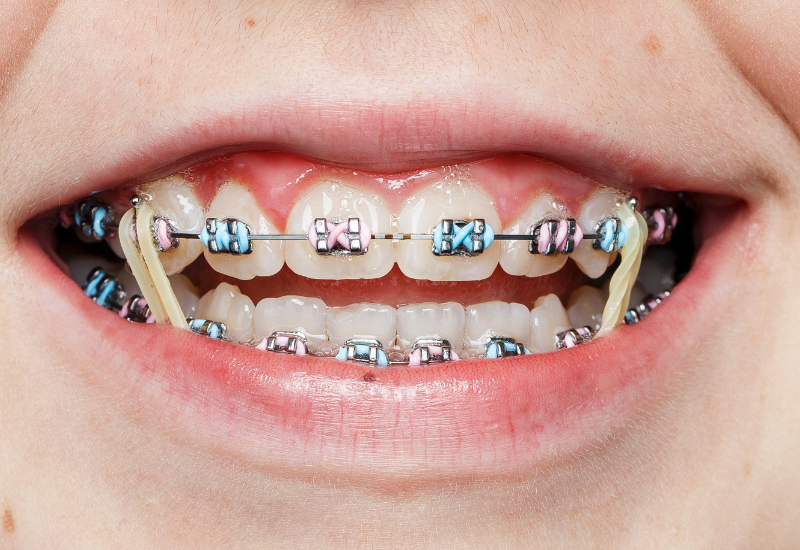
When you begin braces treatment, you may be asked to wear elastics (also called rubber bands). Although they’re small, they play an important role in many braces treatment plans by helping guide how your upper and lower teeth fit together.
At L&L Orthodontics, with clinics in Melbourne CBD and Templestowe, our Specialist Orthodontists use elastics to guide your bite into the planned position as your treatment progresses.
Here’s everything you need to know.
Why Do I Need Elastics with Braces?
Elastics (also known as rubber bands) apply targeted pressure to help align the upper and lower teeth. While braces straighten each individual tooth, elastics help correct the bite – how your top and bottom teeth meet.
They can help with:
- Overbites
- Underbites
- Crossbites
- Improving overall jaw alignment
They work by connecting your braces from one point to another, encouraging your teeth to move in a specific direction. Because they constantly apply gentle pressure, consistency is key.
When Will I Start Wearing Elastics?
Not everyone starts elastics when their braces are fitted. Your Specialist Orthodontist will let you know when your teeth are ready. Some patients will not need elastics at all.
How Do Elastics Work with Braces?
Think of elastics as the “directional tool” of your braces treatment. Your Specialist Orthodontist places hooks on selected brackets, allowing your elastics to control the movement of your teeth and jaw. When worn as instructed, these rubber bands help shift your bite into a more balanced, comfortable position.
Most patients will wear elastics on both sides of the mouth, although your configuration may vary depending on your personalised treatment plan.
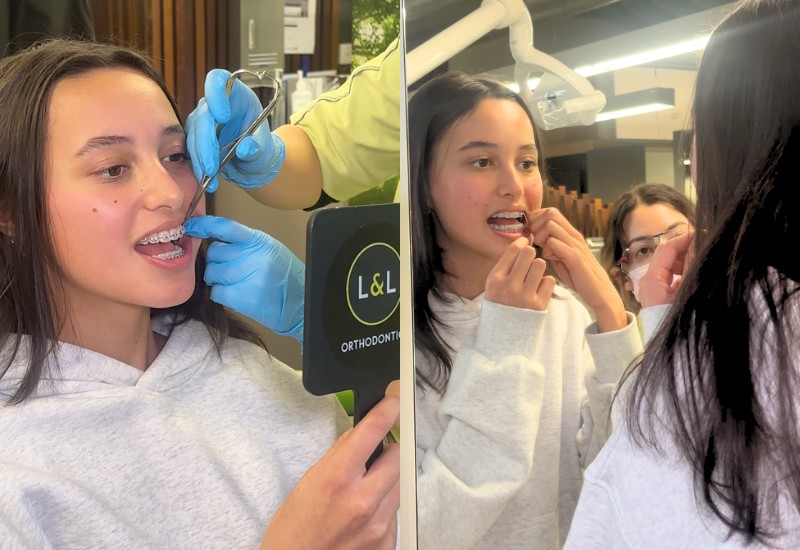
Your Elastics Instructions
To get the best results from elastics, follow these simple but important guidelines:
- Keep Elastics In
Only remove your elastics when brushing your teeth. Try to eat with them in as well,this helps maintain continuous pressure and ensures your treatment stays on track. Find more tips on eating with braces in our guide to braces-friendly foods. - Change Elastics Regularly
Elastics stretch out over time. Replace them at leastonce a day, ideally after brushing, to keep the right amount of tension. - Replace Both Sides
Ifyou’re wearing elastics on both sides and one snaps, replace both sides with new elastics. This keeps your bite moving evenly. - Running Low? We’ve Got You
Ifyou’re running out of elastics, please contact us. We keep your size on file and can mail a pack to you or you’re welcome to stop by our Melbourne CBD or Templestowe clinics to pick more up.
What Happens If I Don’t Wear My Elastics?
Elastics are one of the simplest parts of your braces treatment, but they make a significant difference. Consistent wear helps your treatment progress as planned, can help improve your bite, and can prevent unnecessary delays. Elastics only work when they’re worn as instructed, so staying consistent is the key to success.
Frequently Asked Questions About Elastics for Braces
Do I have to wear elastics all the time?
Your Specialist Orthodontist will tell you exactly how long to wear your elastics each day. Many patients are asked to wear them full-time, though some people may only need to wear them at night. Following your orthodontist’s instructions closely is important for keeping your treatment on track.
What happens if I forget to wear my elastics?
Missing elastics occasionally can happen but wearing them inconsistently may slow tooth movement and extend your treatment time. If you forget, simply put in a new set as soon as you remember and continue following your orthodontist’s instructions.
How often should I change my elastics?
Elastics lose their strength as they stretch, so they should be replaced regularly. Your Specialist Orthodontist will let you know how often to change them, but this is typically once a day.
Can I eat with my elastics in?
Yes. Try to keep them in when eating to maintain continuous pressure and keep your treatment progressing as planned.
Will wearing elastics hurt?
It’s common to feel some tenderness when you first start wearing elastics or after changing the way they’re worn. This is a sign that they’re applying gentle pressure to move your teeth and jaw into the planned position. Any discomfort is usually temporary.
What should I do if I run out of elastics?
Contact us as soon as possible. We’ll arrange for you to collect more elastics so you can continue wearing them as instructed.
What if one of my elastic hooks breaks?
Don’t try to fix it yourself. Contact our team so we can assess the issue and advise you on the next steps.
Can I wear two elastics to make my teeth move faster?
No. Always wear your elastics exactly as instructed. Wearing extra elastics won’t speed up treatment and may affect how your teeth move.
Why are elastics so important during braces treatment?
Braces move individual teeth, while elastics help guide how your upper and lower teeth fit together. Wearing them as instructed is an important part of achieving your planned bite and tooth alignment.
How long will I need to wear elastics?
Every treatment plan is different. Some patients wear elastics for only a few months, while others may need them for longer. Your Specialist Orthodontist will monitor your progress at each appointment and let you know when they’re no longer needed.
Summary
Elastics are an important part of many braces treatment plans, helping guide how your upper and lower teeth fit together as your treatment progresses. Wearing them as instructed by your Specialist Orthodontist can help keep your treatment on track. If you have any questions or need more elastics, our team at L&L Orthodontics is always happy to help.
Need Help with Your Elastics?
Whether you’ve just started wearing elastics or have questions about your treatment, our team is here to help. If you’ve run out of elastics, broken an elastic hook or aren’t sure how to wear them correctly, please give us a call or message us through the Dental Monitoring app.
Thinking about braces? Book a consultation with one of our Specialist Orthodontists in Melbourne or Templestowe to learn about your treatment options and whether braces may be suitable for you.