
How Often Do I Need to Visit the Orthodontist During Treatment?
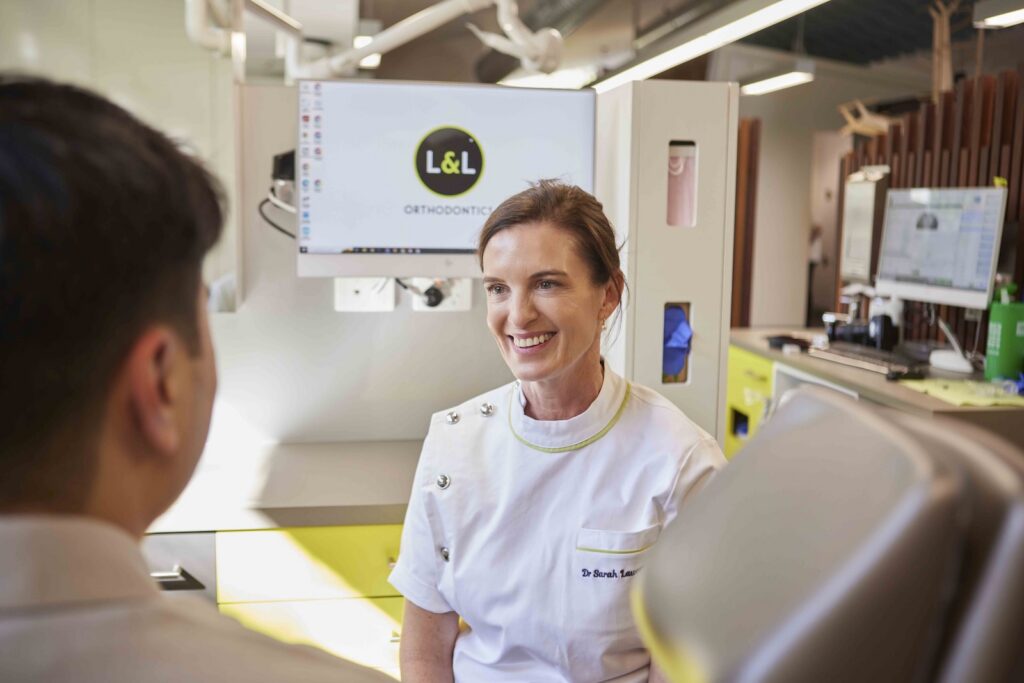
How often you need to visit your orthodontist depends on your treatment, how your teeth are moving and your individual treatment plan. While regular in-person appointments remain an important part of orthodontic care, technology such as Dental Monitoring can also allow your clinical team to review your treatment between scheduled visits. At L&L Orthodontics, we use Dental Monitoring alongside braces and clear aligner treatment, helping our clinical team stay connected with patients between appointments. How Often Are Orthodontic Appointments? How often you need to visit the orthodontist will depend on your treatment and individual treatment plan. Some stages require more frequent appointments for clinical checks or adjustments, while at other stages, your appointments may be spaced further apart. For example, some patients may visit us every month or two for appointments such as wire changes, while others may go several months between visits. Your orthodontist will plan your appointments around what’s needed at each stage of your treatment. At L&L Orthodontics, we also use Dental Monitoring to keep an eye on your treatment between appointments. Regular scans give our clinical team additional information about how your treatment is progressing and help us stay connected with you between visits. What Is Dental Monitoring? Dental Monitoring is an innovative app that allows our clinical team to monitor your progress remotely using photos you take on your smartphone. Instead of attending frequent in-clinic check-ups, you simply upload weekly scans from the comfort of your home. Our clinical team review your scans and provide feedback to ensure your treatment is progressing as planned and AI supports the monitoring process ensuring nothing is missed. How It Works: Download the app and set up your profile Once you start your orthodontic treatment we’ll help get you started with the Dental Monitoring app, and the scan box pro (this is what connects to your Smartphone) and will show you how to make clear, consistent images of your teeth. You can download the app here (Apple | Google). Weekly Scans Each week, the app will remind you to complete a quick scan. Simply follow the guided audio and visual instructions to capture and upload your images. Professional Review Once your scan is submitted, our clinical team carefully reviews your tooth movement, gum health, and overall progress. If everything is on track, you’ll receive a message letting you know to continue as usual. If adjustments are needed, we’ll either provide updated instructions or schedule an in-person appointment. Fewer In-Clinic Appointments With regular, detailed updates from your scans, we can reduce the number of in-clinic appointments needed, plus in some cases speed up your treatment. This is because it can spot things early, which means we can progress you sooner. Amazing! Benefits of Dental Monitoring During Orthodontic Treatment ConvenienceComplete your scheduled scans using your smartphone, whether you’re at home or travelling. Regular monitoring between appointmentsYour scans provide our clinical team with additional information about your treatment between scheduled clinic visits. Easy communicationYou can use the app to stay connected with our clinical team and ask treatment-related questions between appointments. Fits around everyday lifeScanning from home can make it easier to incorporate treatment monitoring into school, work, family life and travel. Will I Still Need In-Person Orthodontic Appointments? Yes. Dental Monitoring supports your orthodontic care between appointments but doesn’t replace the need for in-person clinical visits. Your orthodontist will still need to see you at different stages of treatment to assess your teeth and bite, check your orthodontic appliance and make any clinical adjustments that require an in-person appointment. How often you need to attend will depend on your treatment and individual needs. When Might I Need an Extra Orthodontic Appointment? Sometimes our team may need to see you sooner than your next scheduled appointment. This could happen if: A bracket or wire breaks or becomes loose Your aligners aren’t fitting as expected You experience persistent pain or discomfort An orthodontic appliance becomes damaged Our clinical team identifies something during Dental Monitoring that needs an in-person assessment If you’re unsure whether you need an appointment, contact us through Dental Monitoring or call the clinic for advice. Staying Connected Throughout Your Orthodontic Treatment Regular orthodontic appointments and Dental Monitoring each play a role in your ongoing care at L&L Orthodontics. Your in-person appointments allow our team to provide the clinical care and adjustments you need, while Dental Monitoring helps us stay connected with you between visits. Your orthodontist will recommend an appointment and monitoring schedule based on your individual treatment. If you’re considering braces or clear aligners, book an orthodontic consultation at our Melbourne CBD or Templestowe clinic to discuss your treatment options. Consultation required to assess eligibility. Our orthodontists will advise whether treatment is suitable for you.
Direct-to-Consumer Aligners vs Orthodontist-Led Treatment: What’s the Difference?
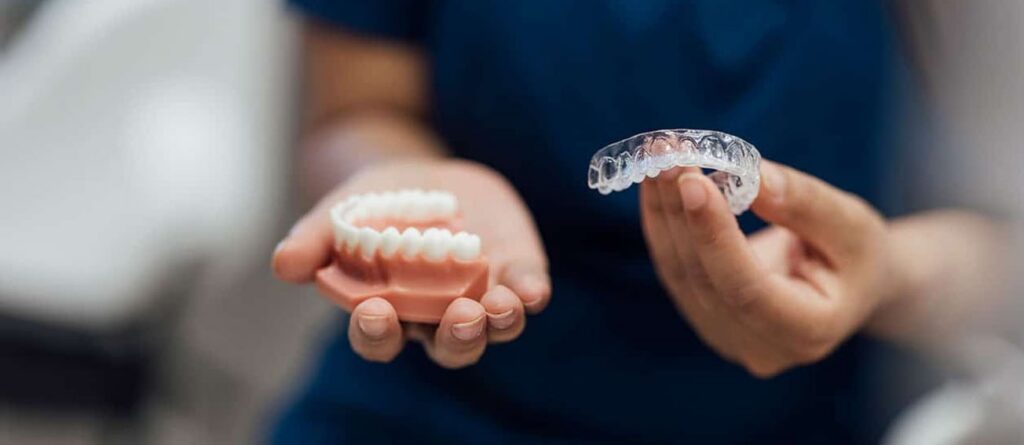
Clear aligners are everywhere. Ads promise fast, low-cost straightening that you can manage from home. The convenience is tempting. Yet teeth and jaws are living, complex systems. Moving them safely requires accurate diagnosis, careful planning and ongoing supervision. In this guide, you will learn where do-it-yourself aligner models often fall short, why Specialist Orthodontist oversight matters and how a specialist-led approach like what we offer at L&L Orthodontics helps you achieve a healthy, stable smile that lasts. How Can Direct-to-Consumer Aligner Treatment Differ? Direct-to-consumer aligner services use different models of care, so it’s important to understand exactly what a particular provider includes. Depending on the provider, there may be differences in: Whether you have an in-person clinical examination before treatment Whether diagnostic X-rays are taken Who assesses your teeth and bite Who designs and approves your treatment plan Whether in-person appointments are available during treatment How your tooth movement is monitored What happens if your aligners aren’t fitting as expected What aftercare and retainers are provided Before choosing any clear aligner provider, ask how these aspects of your care will be managed. What Is a Specialist Orthodontist? In Australia, a Specialist Orthodontist is a dentist who has completed additional postgraduate specialist training in orthodontics and holds specialist registration in orthodontics. Orthodontists focus on diagnosing and managing the alignment of the teeth and jaws. During clear aligner treatment, an orthodontist may assess your teeth and bite, determine whether aligners are suitable, plan the required tooth movements and monitor your treatment over time. You can check a practitioner’s registration and recognised specialty through AHPRA’s public register. What Does Orthodontist-Led Clear Aligner Treatment Involve? Clinical assessment Before recommending treatment, your orthodontist assesses your teeth, bite and oral health and reviews the diagnostic records needed to plan your treatment. Individual treatment planning If clear aligners are appropriate, your orthodontist plans the tooth movements required for your individual treatment. Depending on your needs, this may include attachments, elastics or interproximal reduction (IPR). Ongoing monitoring Your orthodontic team monitors your tooth movement throughout treatment and can make changes to your treatment plan when clinically appropriate. At L&L Orthodontics, our Dental Monitoring app helps us check your progress between visits. When needed, we bring you in for hands-on visits and refinements so your treatment progresses as planned. Retention and aftercare Once active orthodontic treatment is complete, your orthodontist will provide advice about retainers and ongoing wear to help maintain the position of your teeth. Why Clinical Assessment and Monitoring Matter During Orthodontic Treatment Orthodontic treatment involves applying forces to move teeth through the supporting bone and tissues. Like any orthodontic treatment, clear aligner treatment has potential risks and requires appropriate assessment, treatment planning and monitoring. Potential considerations can include: Changes to the gums and supporting tissues Root resorption Changes to the bite Tooth decay or gum problems if oral hygiene isn’t maintained Teeth not moving as planned Your individual risks will depend on factors such as your teeth, gums, bite, oral health and planned tooth movements. These should be assessed before treatment and monitored as appropriate throughout your care. What Does Clear Aligner Treatment at L&L Orthodontics Include? Clear aligners are an excellent tool in the right hands. The difference is the plan, the expertise and the follow-through. Our Specialist Orthodontists plan your smile to the millimetre. Comprehensive assessment We start with a one hour consultation. Clinical exam, x-rays, dental photos and 3D digital scans to inform a clear diagnosis. You receive an honest discussion of options, timelines and expected outcomes at L&L Orthodontics. Specialist-designed treatment plan One of our Specialist Orthodontists will design your treatment plan around your individual orthodontic needs and what you hope to achieve from treatment. Precise digital planning Our Specialist Orthodontists craft step-by-step movements. Attachments, bite ramps and elastics are placed strategically where needed. We select material and trim lines for comfort and control. For suitable cases we use Spark clear aligners or Invisalign® aligners. For other cases we may recommend LightForce™ braces or traditional metal braces to improve precision. Ongoing monitoring with humans behind the tech Our Dental Monitoring app helps us check your progress between visits. When needed, we bring you in for hands-on visits and refinements so your treatment is tracking well. Support, every step Comfort tips, hygiene coaching, travel plans, and retention guidance are part of your care. The L&L Orthodontics team is always on hand to help. Retainers and aftercare Care doesn’t stop when your treatment does. When you finish clear aligner treatment, we’ll issue you with retainers and explain how to wear and care for them to help maintain your results. Comparing Your Clear Aligner Options? Clear aligners may look similar from one provider to another, but the way your treatment is assessed, planned and monitored can differ. Before starting treatment, make sure you understand who will assess you, who is responsible for your treatment plan, how your progress will be monitored and what support is available if something doesn’t go as expected. If you’re considering clear aligner treatment, our Specialist Orthodontists can assess your teeth and bite and discuss the treatment options that may be suitable for you. Book an orthodontic consultation at our Melbourne CBD or Templestowe clinic. Individual treatment needs, experiences and treatment times vary. A clinical assessment is required to determine whether clear aligners or another orthodontic treatment may be suitable for you.
How Much Do Braces and Clear Aligners Cost in Melbourne?
How much do braces or clear aligners cost in Melbourne? The answer depends on the type of orthodontic treatment you need, the complexity of your treatment and how long treatment is expected to take. At L&L Orthodontics, your treatment fees are based on your individual treatment plan. Before you start treatment, we’ll explain your treatment options, what each option costs, what’s included and the payment options available to you. In this guide, we’ll break down the costs of braces and clear aligners, what can affect the price and what to consider when comparing orthodontic treatment fees. What Influences the Cost of Orthodontic Treatment? The cost of orthodontic treatment varies because every treatment plan is different. Factors that may affect your treatment fee include: The type of braces or clear aligners recommended The complexity of the tooth and bite movements required The expected length of treatment Whether you’re treating one or both arches Any additional appliances or treatment stages required What’s included in your treatment fee, such as retainers and ongoing monitoring After assessing your teeth and bite, your Specialist Orthodontist can recommend suitable treatment options and our team will provide a clear breakdown of the associated costs. Metal Braces: An Affordable Option Metal braces remain a reliable and cost-effective solution, especially for moderate to complex orthodontic issues. In Melbourne, the cost of braces generally starts from $8,000 for a full course of treatment, depending on case complexity and treatment length. Metal braces are popular among children and teens, though adults may also consider them for complicated corrections. If you are budget-conscious, traditional metal braces are almost always the most affordable option with Specialist Orthodontist supervision. Their durability and effectiveness make them a trusted choice across age groups. Ceramic Braces: Discreet and Effective Ceramic (tooth-coloured) braces offer a nearly invisible look, blending with natural teeth for those conscious about their smile during treatment. These typically cost $11,500 for a standard course of treatment in Melbourne. The extra cost compared to metal braces reflects the high-quality, stain-resistant materials and added aesthetic appeal. If your priority is a subtle appearance in professional or social settings, ceramic braces provide an effective alternative to metal. LightForce™ 3D Braces: Personalised Precision LightForce 3D Braces use brackets that are individually designed and 3D printed based on your teeth and your orthodontist’s treatment plan. This additional customisation and digital planning is reflected in the treatment fee, with LightForce generally costing more than traditional metal braces at L&L Orthodontics. The investment for LightForce™ 3D braces typically starts from $11,500 depending on your treatment needs and length. Want to learn more about this treatment type? Read our guide to discover what LightForce braces are and what makes them different. Clear Aligners: Invisalign® and Spark Aligner therapy has revolutionised orthodontic care, offering removable, transparent trays that gently guide teeth into position. In Melbourne, two leading names are Invisalign® and Spark. Invisalign®: For a full course (usually 18 to 24 months), the cost of Invisalign® generally starts around $7,000 depending on your specific needs. This includes all planning, digital imaging, and adjustments. Spark Aligners: Comparable to Invisalign®, Spark uses advanced TruGEN material and provides a similar range of transparent, custom aligners. Spark aligner costs typically start from $7,000, depending on complexity and treatment length. Shorter treatment programs or minor cosmetic adjustments can cost less, but most comprehensive treatments fall within this full-course range. What’s Included in the Cost of Orthodontic Treatment? When comparing orthodontic treatment costs, it’s important to look beyond the initial price. Different treatment fees may include different services, appointments and aftercare, so understanding exactly what’s covered can help you compare your options. At L&L Orthodontics, your treatment fee will be explained clearly before you decide whether to proceed. Depending on your individual treatment plan, your fee may include: Your braces or clear aligners and the appliances required as part of your treatment Specialist orthodontic treatment planning based on your teeth, bite and individual treatment needs Scheduled treatment appointments with our clinical team throughout your orthodontic treatment Dental Monitoring, allowing our team to review your treatment between in-clinic appointments Retainers and aftercare as outlined in your treatment plan Ongoing clinical support if you have questions or concerns during treatment Your initial orthodontic consultation is charged separately at $120 and includes a clinical assessment, digital imaging and diagnostic X-rays. Following your assessment, we’ll provide your recommended treatment options and a clear breakdown of the associated fees, including anything that may incur an additional cost. When comparing quotes from different orthodontic providers, check what’s included in the total treatment fee rather than comparing the headline price alone. Payment Plans and Making Braces Affordable Many Melbourne clinics, including L&L Orthodontics, offer interest-free payment plans to spread treatment costs into manageable installments. Plans are flexible, customisable and designed to make a straight, healthy smile accessible for all families. Discuss your options before starting, and ask about timing, deposit amounts, and inclusions. With the right plan, premium braces or advanced aligners become more affordable. What Should You Compare When Looking at Orthodontic Costs? If you’re comparing orthodontic fees, don’t look at the headline price alone. Different treatment quotes may include different services. Check: Who will diagnose and plan your treatment What type of braces or aligners are included What’s included in your treatment fee Whether retainers are included How your treatment will be monitored What payment options are available This can help you make a more meaningful comparison between treatment options and providers. Understanding Your Orthodontic Treatment Costs The cost of braces or clear aligners will depend on your individual orthodontic needs and the treatment recommended for you. The best way to understand your options and exact treatment fee is to have your teeth and bite assessed by an orthodontist. At L&L Orthodontics, we’ll explain your recommended treatment options, costs, what’s included and available payment options before you decide whether to proceed. Book an orthodontic consultation with one of our Specialist Orthodontists at our Melbourne CBD or Templestowe clinic. Treatment suitability, costs and treatment times vary depending on individual needs. A clinical
Can I Wear Braces and Still Play a Musical Instrument?

Yes! Let’s keep the music going – braces and all! If you’ve recently started your orthodontic journey and love playing a musical instrument, you might be wondering: Will my braces get in the way? The good news is, while there might be a short adjustment period, most musicians quickly adapt and keep hitting the right notes without any problems. At L&L Orthodontics, we believe nothing should get in the way of your passion for music. Whether you’re a brass player, a woodwind enthusiast, or a string performer, here’s what you need to know to help keep playing confidently with braces. Dr Sarah Lawrence, Specialist Orthodontist at L&L Orthodontics shares “We see so many teenagers where music is a big part of their school and personal life and this can be an initial concern as they don’t want to give up what they love during treatment. The good news is that you don’t have to!” Will Braces Affect My Playing? The answer? Maybe a little at first, but it won’t last long. The impact of braces depends on the type of instrument you play and like with all new things, you learn to adapt: Brass instruments (like the trumpet, trombone, or tuba): You’ll feel the biggest adjustment here, as these instruments involve direct lip pressure against a mouthpiece. But don’t worry your embouchure (a fancy word for mouth position) will adapt with a little practice. Orthodontic wax can also help cushion brackets and ease any irritation. Woodwind instruments (like the clarinet, flute, or saxophone): Woodwind players may notice mild pressure or discomfort in the beginning, but most find the transition fairly smooth. String instruments (like the violin or viola): You’re in luck! braces won’t interfere with your playing technique. You might feel a little facial tension at first, but this usually fades quickly. Piano, Drums & Percussion: We are happy to tell you that of course braces should not affect your instrument playing 5 Top Tips for Playing Musical Instruments with Braces Here’s how to help stay comfortable and confident while you play: Use Orthodontic Wax Protect your lips and cheeks from irritation by applying wax to any brackets causing discomfort, especially helpful for brass players. Adjust Your Mouth Position Give yourself time to find a new mouth position that feels comfortable. Practice will help retrain your muscles and improve endurance. Take Breaks When Needed Your mouth may feel a little sore after getting braces or following adjustments. Take regular breaks and ease back into longer sessions gradually. Stay Hydrated Dryness can increase discomfort, so drink plenty of water, especially during long rehearsals or performances. Talk to Your Orthodontist If you’re experiencing ongoing discomfort while playing your instrument, let us know. Our Specialist Orthodontists and clinical team can provide advice based on your braces and the instrument you play. If you’re an existing L&L patient, the easiest way to get in touch is through the Dental Monitoring app, where you can contact our clinical team directly. In Summary: Yes, You Can Play an Instrument with Braces Braces don’t have to stop you from doing what you love. It may take a little time to adjust to playing with braces, particularly if you play a wind or brass instrument, but your orthodontic team can provide advice to help you adapt. If you play an instrument and are considering braces, book a consultation with L&L Orthodontics. Let us know what you play, and we can discuss this as part of planning your treatment. Consultation required to assess eligibility. Our orthodontists will advise whether treatment is suitable for you.
5 Questions to Ask Before Starting Orthodontic Treatment

If you’re considering braces or clear aligners, knowing what to ask at your orthodontic consultation can help you understand your treatment options and make an informed decision about your care. From who will plan your treatment to costs, treatment times and ongoing support, here are five important questions to ask before starting orthodontic treatment. Who Will Be Planning and Managing My Orthodontic Treatment? Before starting treatment, it’s important to understand who will assess your teeth and bite, design your treatment plan and oversee your care. In Australia, a Specialist Orthodontist is a dentist who has completed additional postgraduate specialist training in orthodontics and holds specialist registration in orthodontics. At L&L Orthodontics, your treatment plan is designed by one of our Specialist Orthodontists based on your teeth, bite and individual treatment needs. When comparing providers, you may also want to ask about the clinician’s qualifications, experience and who you’ll see throughout your treatment. What Treatment Options Are Available? There isn’t one orthodontic treatment that’s right for everyone. Depending on your teeth, bite, age, treatment needs and preferences, there may be more than one option available to you. These may include: LightForce™ 3D Braces — precision, custom-printed brackets engineered for your unique anatomy Clear aligners (like Spark) Metal braces Early orthodontic interventions, such as Invisalign® First or Spark Junior aligners for younger patients Ask why a particular treatment has been recommended for you, whether there are alternatives and what the differences are in cost, appearance, day-to-day care and treatment requirements. If more than one option is suitable, your orthodontist can explain the differences so you can make an informed decision. How Long Will My Treatment Take, and How Often Will I Need to Visit? Orthodontic treatment times vary depending on factors such as the tooth movements required, the complexity of your treatment and how your teeth respond. Before starting, ask about your estimated treatment timeframe and what could cause it to change. It’s also helpful to understand how often you’ll need to attend the clinic. Appointment schedules vary depending on your treatment and the stage you’re at, so some periods may require more frequent visits than others. At L&L Orthodontics, we also use Dental Monitoring between appointments. This gives our clinical team regular information about your treatment and helps us determine when an in-person appointment may be needed. How Much Does Teeth Straightening Cost? The cost of orthodontic treatment varies depending on your individual needs, the type of treatment recommended and what’s included in your treatment fee. When comparing orthodontic costs, it’s worth asking: What is included in the total treatment fee, including appointments and retainers? Could any additional fees apply for treatment, such as for replacement appliances or refinements? What deposit and payment plan options are available? Can I claim any of the cost through my private health insurance? At L&L Orthodontics, we provide a clear breakdown of your treatment costs before you decide whether to proceed. We offer interest-free payment plans and flexible deposit options to help you manage the cost of treatment over time. Your initial orthodontic consultation is $120. Following your assessment, we’ll explain the treatment options that may be suitable for you, the associated costs and what’s included in your treatment fee. Read our guide to how much orthodontic treatment costs for a rough outline of what to expect. What Support Will I Have During Treatment? Orthodontic treatment can take months or years, so it’s worth understanding how your orthodontic team will support you between scheduled appointments. Before starting treatment, ask: Who should I contact if I have a problem or question? What happens if I break an appliance or lose an aligner? How will my treatment be monitored between appointments? Can I access an in-person appointment if something needs to be checked? What happens if my treatment isn’t progressing as planned? At L&L Orthodontics, Dental Monitoring helps our clinical team stay connected with you between appointments. Patients can submit regular scans and contact the clinical team through the app, while in-clinic appointments are scheduled when needed. Why These Questions Matter Orthodontic treatment is a commitment, so it’s important to understand what your treatment involves before you decide whether to proceed. Asking questions about your clinician, treatment options, timeframe, costs and ongoing support can help you compare providers and understand what to expect throughout your treatment. And if there’s anything you don’t understand, ask. Your orthodontic team should be able to explain your treatment plan, costs and what will be expected from you in clear terms. Have Questions About Orthodontic Treatment? Your first orthodontic consultation is an opportunity to have your teeth and bite assessed, discuss your treatment options and ask any questions you have before deciding whether to proceed. At L&L Orthodontics, your initial consultation costs $120 and includes a clinical assessment and diagnostic records. One of our Specialist Orthodontists will then discuss the treatment options that may be suitable for you. Book an orthodontic consultation at our Melbourne CBD or Templestowe clinic. Individual treatment needs, suitability, costs and treatment times vary. A clinical assessment is required before treatment recommendations can be made.