
Choosing an orthodontist is an important decision. Orthodontic treatment can take place over months or years, so it’s worth finding a practitioner and team you feel comfortable with and understand what to expect before getting started.
From checking specialist registration and understanding your treatment options to comparing costs and ongoing care, there are several things to consider. Here’s what to look for when choosing an orthodontist for yourself or your child.
Start with Professional Standards and Training
In Australia, orthodontics is a recognised dental specialty. A Specialist Orthodontist is a dentist who has completed additional postgraduate specialist training in orthodontics and holds specialist registration in orthodontics.
If you’re comparing orthodontic providers, check the qualifications and registration of the practitioner who will diagnose, plan and oversee your treatment. You can verify a practitioner’s registration through AHPRA’s public register.
It’s also worth asking who will be responsible for your treatment plan and who you’ll see throughout treatment.
Find Out Who Will Plan and Oversee Your Treatment
Before starting treatment, understand who will assess you, create your treatment plan and oversee your care.
Ask questions such as:
- Who will diagnose and plan my treatment?
- Who will I see at my regular appointments?
- Who can I contact if I have a problem between appointments?
- How will my treatment be monitored?
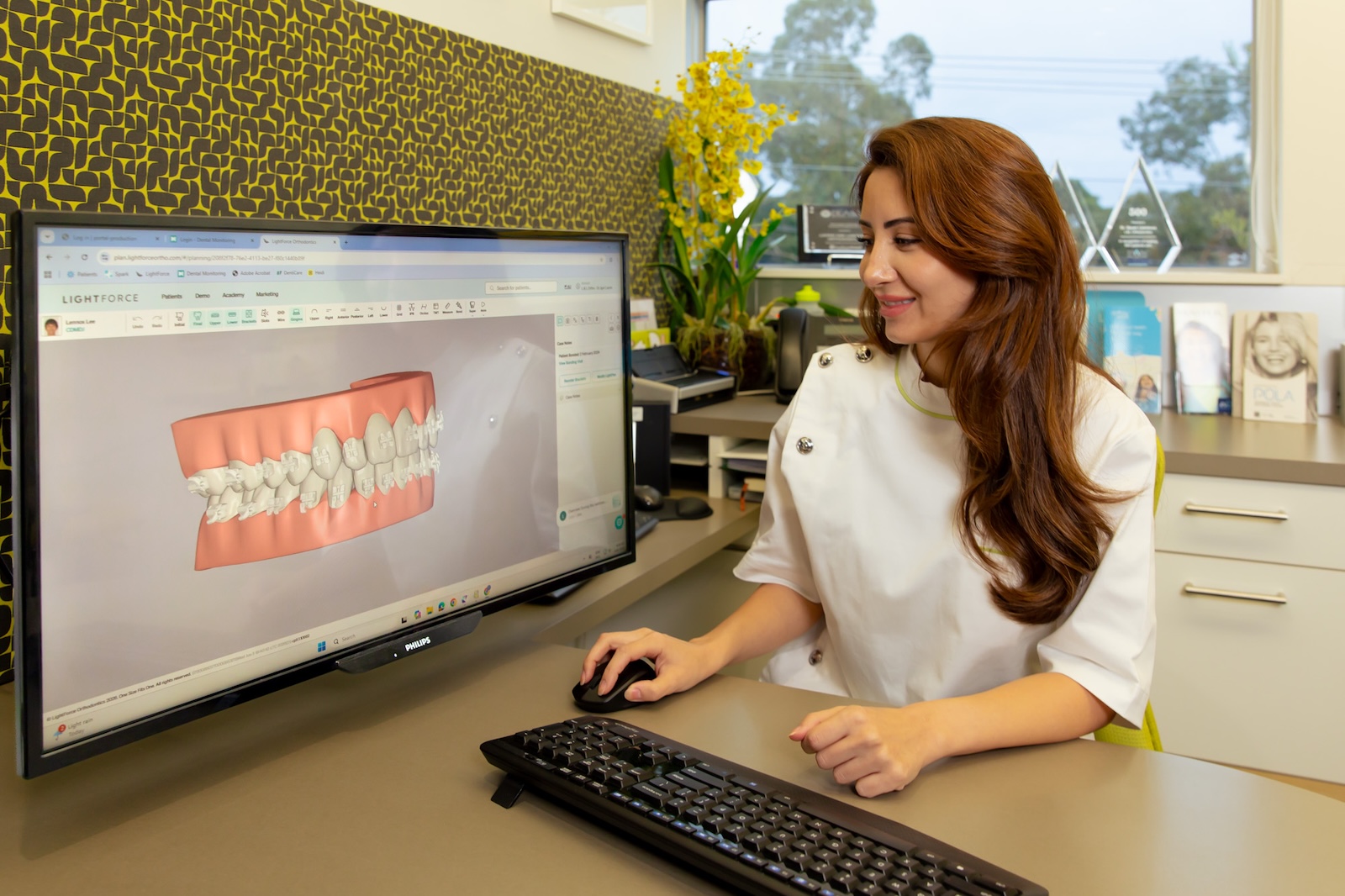
At L&L Orthodontics, our Specialist Orthodontists are responsible for diagnosis and orthodontic treatment planning, supported by our wider clinical team.
Ask What the Consultation and Assessment Include
A thorough orthodontic assessment helps your orthodontist understand your teeth, bite and jaws before recommending treatment.
Ask what your initial consultation includes and whether any diagnostic records, such as photographs, X-rays or digital scans, will be required.
You should also leave your consultation understanding whether treatment is recommended, which options may be suitable, the expected treatment approach and the associated costs.
Understand Your Treatment Options
Different orthodontic practices may offer different types of braces, clear aligners and orthodontic technology. Having more options doesn’t necessarily mean one treatment is better than another. What matters is whether the treatment is appropriate for your individual needs.
Ask your orthodontist:
- Which treatment options may be suitable for me?
- Why do you recommend this option?
- What are the advantages and limitations?
- Are there alternative treatment options?
- What will treatment involve day to day?
At L&L Orthodontics, treatment options include traditional metal braces, LightForce 3D Braces, clear aligners and early orthodontic interventions like Invisalign First. Our Specialist Orthodontists recommend treatment based on each patient’s individual assessment.
Consider Relevant Experience
It can be helpful to ask about your orthodontist’s experience with the treatment options being considered, particularly if your orthodontic needs are more complex.
Experience is only one factor when choosing an orthodontist. Your diagnosis, treatment planning, communication and ongoing clinical care are also important considerations.
Clinic Environment and Patient-First Care
A supportive clinic environment makes treatment easier, especially for children and busy adults.
Consider:
Comfort and Accessibility
Waiting room comfort, disabled access, and practical amenities.
Scheduling and Punctuality
Flexible appointments and respect for your time.
Patient Feedback
Verified reviews that mention communication, friendliness, and outcomes.
Our Collins Street and Templestowe clinics are designed with comfort and accessibility in mind, including brushing stations and a welcoming team. Patients regularly highlight clear communication and smooth coordination throughout treatment.
Make Sure You Understand the Costs
Before starting treatment, ask for a clear breakdown of the expected treatment fees and what’s included.
Questions worth asking include:
- What does the treatment fee include?
- Are retainers included?
- Could additional fees apply?
- What payment options are available? Are there payment plans?
- Can I claim orthodontic treatment through my private health insurance?
Don’t compare orthodontic treatment on the headline price alone. Check what’s included so you can make a meaningful comparison between treatment plans.
Ask What Happens After Treatment
Orthodontic care doesn’t necessarily end when your braces come off or you finish your last set of aligners. Retainers are an important part of maintaining tooth position after treatment.
Before you start, ask what the practice’s retention plan includes, which retainers may be provided, how often you’ll need to wear them and what happens if a retainer is lost or damaged.
Choose a Practice That Works for You
Orthodontic treatment involves an ongoing relationship with your orthodontic team, so practical considerations matter too.
Think about clinic locations, appointment availability, parking or public transport, communication between appointments and how easy it will be to attend throughout treatment.
Most importantly, choose a team that communicates clearly, listens to your concerns and makes you feel comfortable asking questions.
What Should You Expect at Your First Orthodontic Consultation?
Your first consultation should give you an opportunity to discuss your concerns, understand your orthodontic needs and ask questions about treatment.
At L&L Orthodontics, your initial consultation includes a clinical assessment by our Specialist Orthodontists, dental photos, x-rays and a 3D scan of your teeth. We’ll walk you through your treatment options, finance and what to expect from treatment. You can read our complete guide to what to expect at your first orthodontic consultation before your visit.
FAQs
What should I look for when choosing an orthodontist?
Look at qualifications and specialist registration, who will plan and oversee your treatment, treatment options, communication, costs, retention and ongoing care.
What’s the difference between an orthodontist and a dentist?
A Specialist Orthodontist first qualifies as a dentist and then completes additional postgraduate specialist training in orthodontics and holds specialist registration.
How can I check if someone is a Specialist Orthodontist?
You can check a practitioner’s registration and recognised specialty through AHPRA’s public register.
What questions should I ask an orthodontist at my consultation?
Ask what treatment they recommend and why, what alternatives are available, how long treatment may take, who will oversee your care, what the fees include and what happens after treatment.
Should I get a second orthodontic opinion?
If you’re uncertain about a diagnosis or proposed treatment plan, you can seek another professional opinion before deciding whether to proceed.
Choosing the Right Orthodontist for You
Choosing an orthodontist isn’t just about comparing treatment options. Consider their qualifications, who will oversee your care, how clearly they explain your treatment, what’s included in the cost and how you’ll be supported during and after treatment.
Most importantly, you should feel comfortable asking questions and have the information you need to make an informed decision.
If you’re considering orthodontic treatment, you can book a consultation with one of our Specialist Orthodontists at L&L Orthodontics in Melbourne CBD or Templestowe.
Consultation required to assess eligibility. Our orthodontists will advise whether treatment is suitable for you.