
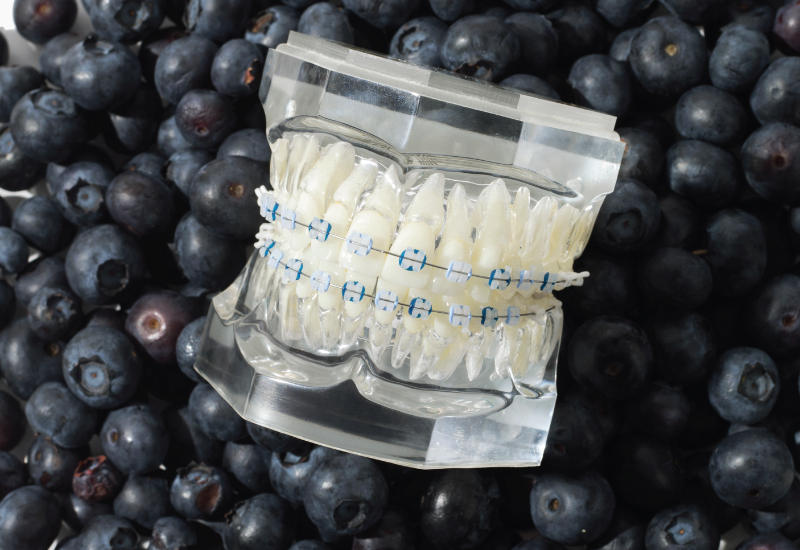
You can still enjoy a varied diet while wearing traditional braces or LightForce braces, but some foods need a little extra care. Choosing softer foods and avoiding very hard, sticky or chewy foods can help protect your brackets and wires, while good eating habits also support your oral health throughout orthodontic treatment.
So, what can you eat with braces, and which foods should you avoid? Here’s a practical guide.
What Should You Eat For The First Few Days After Getting Braces?
Your teeth may feel tender for a few days after your braces are fitted or adjusted. During this time, softer foods that require less chewing may feel more comfortable.
Try foods such as:
- Yoghurt
- Scrambled eggs
- Soup
- Pasta
- Porridge
- Mashed vegetables
- Smoothies
- Soft fish
What Can You Eat With Braces?
As your teeth adjust to your braces, you’ll likely find a wider range of foods comfortable to eat. Choosing softer, nutritious foods that are easy to chew can help protect your brackets and wires while making mealtimes more comfortable.
Foods you can eat with braces include:
- Soft fruits – bananas, berries, or sliced apples and pears
- Cooked veggies – think steamed carrots, mashed pumpkin, or roasted zucchini
- Protein – soft meats (cut into small pieces), scrambled eggs, tofu, tender chicken, or fish
- Dairy – yoghurt, milk, soft cheese
- Carbs – bread (without seeds), rice, pasta, porridge, cooked grains
- Smoothies & soups – delicious and gentle on your mouth, especially after adjustments
Pro Tip: You don’t have to give up crunchy fruits and vegetables. How you prepare them matters. Cut apples and pears into small pieces, grate or cook carrots, and remove corn from the cob before eating.
Sugary Foods and Drinks With Braces
These are okay occasionally but can increase your risk of tooth decay or damage if eaten often. Enjoy in moderation and brush soon after.
- Cakes, soft biscuits, ice cream, pies
- Soft drinks, flavoured milk, fruit juices
- Chips, chocolate, jelly
What Foods Should You Avoid With Braces?
Some foods can cause serious damage and breakage of your braces, leading to discomfort, extra appointments, and extended treatment time. Skip these until your braces come off.
- Sticky foods – caramels, chewy lollies, dried fruit, chewing gum
- Hard foods – nuts, pizza crust, raw carrots, ice, hard lollies
- Crunchy snacks – popcorn, pretzels, hard chips
- Sugary lollies – boiled sweets, sherbet
- Non-food habits – chewing on pens, pencils, or fingernails
Why Diet Matters for Your Teeth During Braces
Brackets and wires can create extra areas where food and plaque can collect, making good oral hygiene particularly important during braces treatment. Frequently consuming sugary or acidic foods and drinks, such as soft drinks, cordial and fruit juice, can increase the risk of tooth decay and enamel demineralisation (decalcification), which may appear as permanent white marks on the teeth.
You don’t need to completely avoid sugar, but limiting how often you have sugary or acidic foods and drinks can help protect your teeth. Choose water as your main everyday drink, brush thoroughly around your brackets and wires, and continue cleaning between your teeth each day.
Read our guide to maintaining your oral hygiene during orthodontic treatment for more tips on caring for your smile with braces.
Looking After Your Braces at Mealtimes
A few small changes to how you prepare and eat food can help protect your braces throughout treatment. Cut harder foods into smaller pieces, avoid biting directly into hard foods with your front teeth and keep up your brushing and regular dental check-ups.
If a bracket comes loose or a wire breaks, contact the L&L Orthodontics team or send us an update through Dental Monitoring so we can advise you on what to do next.
This information is general in nature. Braces care and wear instructions may vary, so always follow the advice provided by your orthodontic team.