
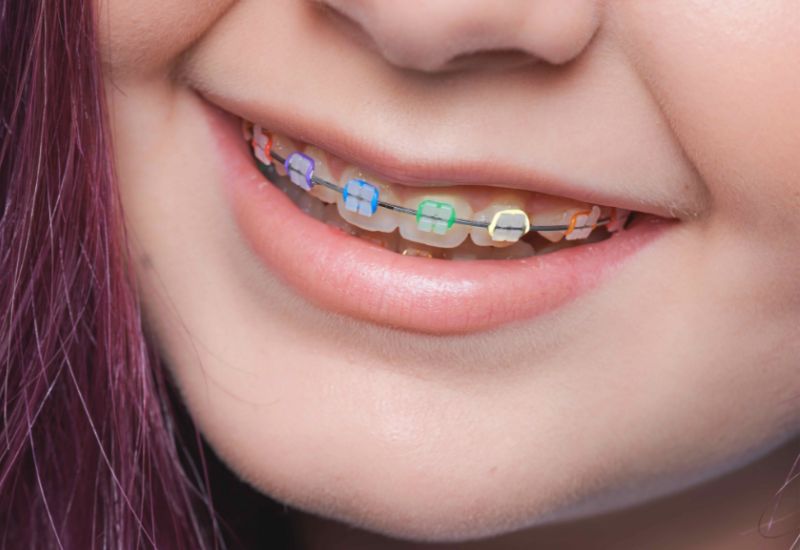
Whether you have traditional metal braces or LightForce 3D Braces, knowing how to care for your braces can help you look after your teeth, gums and orthodontic appliance throughout treatment.
From brushing around your brackets to choosing braces-friendly foods and knowing what to do if something breaks, a few everyday habits can make braces easier to manage.
Here are seven practical tips from the L&L team.
1. Brush After Every Meal
Use a soft-bristle toothbrush and fluoride toothpaste. Angle the brush around each bracket and wire to remove trapped food, and take your time to clean every surface of every tooth. A gentle but thorough brushing technique helps prevent plaque build-up and keeps your gums healthy.
2. Don’t Skip Flossing
Daily flossing is especially important when you have braces. Super floss, orthodontic flossers or a water flosser can make it easier to clean around brackets and underneath the wires. Your gums will thank you. Interdental brushes are also great for reaching in between larger gaps and between brackets.
3. Be Mindful of What You Eat
Hard, sticky, crunchy or chewy foods can damage your braces. Avoid things like popcorn, nuts, hard lollies and toffees. For firmer foods, like apples, carrots or crusty bread, cut them into bite-sized pieces before eating to avoid bending wires or dislodging brackets.
4. Use Orthodontic Wax for Comfort
It’s common for brackets or wires to occasionally irritate the inside of your cheeks or lips, particularly while you’re getting used to your braces.
Orthodontic wax can create a temporary barrier over the area that’s causing irritation. Dry the bracket or wire first, then mould a small piece of wax over it.
If irritation continues or you have a wire that’s poking or causing discomfort, contact our clinical team for advice.
5. Let Us Know If Something Breaks
Broken brackets and damaged or poking wires can happen during braces treatment. If something doesn’t feel right, contact us through the Dental Monitoring app and let us know what’s happened.
Depending on the issue and where you are in your treatment, our clinical team can advise what to do next and whether you need an appointment.
It’s also important to follow any instructions you’ve been given about elastic wear, Dental Monitoring scans and scheduled appointments, as these all form part of your individual treatment plan.
6. Keep Up with Routine Dental Care
Your orthodontic appointments don’t replace your regular dental check-ups. Your dentist continues to look after your general oral health throughout orthodontic treatment, including checking your teeth and gums.
Continue attending check-ups and cleans at the intervals recommended by your dentist.
7. Wear a Mouthguard for Sport
If you play contact or high-impact sport, wearing an appropriate mouthguard can help protect your teeth and mouth from injury.
When you have braces, your mouthguard needs to fit over your brackets and wires while allowing room for your teeth to move throughout treatment. Because your teeth change position, it’s also important to check the fit regularly.
L&L Orthodontics stocks NeoMorph mouthguards, which are designed for use during orthodontic treatment. If you’re unsure which type of mouthguard you need, ask our clinical team for advice.
Need Help Looking After Your Braces?
Getting used to braces takes a little time, and you don’t need to figure everything out on your own. If you’re an L&L patient and you’re unsure about cleaning around your braces, something has broken or your braces don’t feel right, contact our clinical team through Dental Monitoring.
For more detailed advice on brushing, flossing and looking after your teeth during treatment, read our Ultimate Guide to Oral Hygiene During Orthodontic Treatment.