
What Is IPR in Orthodontics? Interproximal Reduction Explained
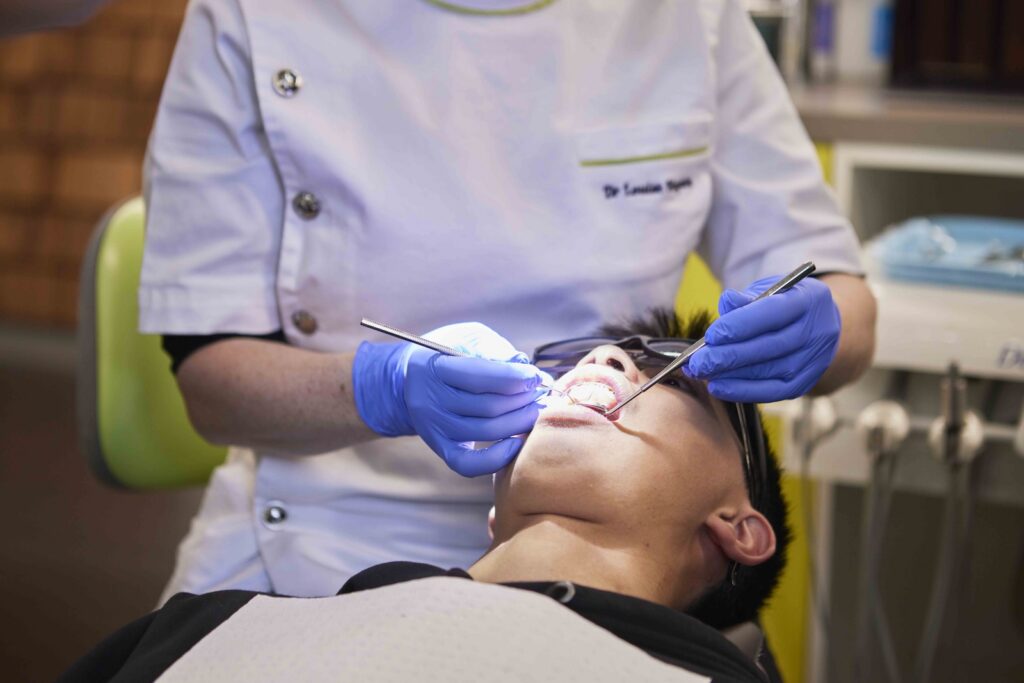
If interproximal reduction, or IPR, is part of your orthodontic treatment plan, you might be wondering exactly what it involves and why your orthodontist has recommended it. IPR is an orthodontic technique that involves removing a very small, carefully measured amount of enamel from between selected teeth. It may be used during braces or clear aligner treatment to create space for planned tooth movements or, in some cases, help manage small triangular spaces between the teeth known as black triangles. IPR isn’t needed for every patient. Your orthodontic team will explain if it’s recommended as part of your individual treatment plan, why it’s being considered and what the procedure involves. Understanding Interproximal Reduction (IPR) Interproximal reduction involves carefully removing a small amount of enamel (less than 1mm) from the sides of selected teeth. This creates a small amount of additional space that your orthodontist can incorporate into your treatment plan. Depending on your individual orthodontic needs, IPR may be recommended with braces or clear aligners. The amount and location of IPR are planned in advance as part of your orthodontic treatment. Only selected teeth are treated, and the amount of enamel removed is carefully measured. Why Is IPR Used During Orthodontic Treatment? Your orthodontist may recommend IPR when a small amount of additional space is needed to achieve the planned tooth movements. Depending on your treatment, IPR may be used to: Create space when teeth are crowded Help manage the shape and contact points of neighbouring teeth Support planned tooth movements with braces or clear aligners Help reduce the appearance of some black triangles between teeth Whether IPR is appropriate depends on factors such as your tooth shape, enamel, crowding and overall treatment plan. What Are Black Triangles Between Teeth? Black triangles are small triangular spaces that can sometimes appear between neighbouring teeth near the gumline. The clinical term for these spaces is open gingival embrasures. They can occur for several reasons, including the shape and position of the teeth and changes to the gum tissue. In some orthodontic cases, aligning triangular-shaped teeth can make these spaces more noticeable because the wider part of each tooth comes into contact while a small space remains closer to the gumline. Can IPR Help With Black Triangles? In some cases, IPR may be used to slightly reshape the sides of selected teeth. This can change where neighbouring teeth make contact and may allow your orthodontist to bring the teeth closer together as part of the planned orthodontic movements. IPR isn’t appropriate for every black triangle, and it may not completely close the space. Your orthodontist can assess the cause of the black triangle and explain whether IPR may be appropriate in your individual case. How Is IPR Performed? IPR can be performed using different orthodontic instruments, including fine abrasive strips or discs that allow the clinician to remove a carefully measured amount of enamel between selected teeth. The technique used will depend on the amount of space required, the teeth being treated and your individual treatment plan. Your Specialist Orthodontist or Oral Health Therapist will explain what’s planned before the procedure begins. Does IPR Hurt? IPR involves gentle polishing of enamel where the teeth contact to help create space for the teeth to move into the desired position. Only a small amount of enamel is removed. To complete the polishing, we use a combination of diamond strips, or your orthodontist sometimes will use a disc to complete the polishing – these are safe and measured to conform to the natural shape of the tooth. Most people do not experience any pain or sensitivity during or after IPR, unless your teeth are already prone to sensitivity during orthodontic treatment, but this usually subsides within the day. Your Oral Health Therapist or orthodontist will explain what to expect before starting and let them know if you feel uncomfortable at any stage. Is IPR Permanent? Yes. IPR permanently removes a small amount of enamel, so it is an irreversible procedure. For this reason, the amount and location of IPR are carefully planned before it is performed. If IPR is recommended as part of your treatment, your clinical team will explain why it’s being considered and discuss the procedure with you beforehand. Can You Have IPR With Braces or Clear Aligners? IPR may form part of your treatment plan with braces or clear aligner treatment depending on your teeth, bite and individual treatment plan. Your orthodontist will discuss this with you and gain your consent before planning any IPR in your treatment. Is IPR Right for Everyone? IPR isn’t part of every orthodontic treatment plan. Whether it’s recommended will depend on your individual teeth, bite and the tooth movements your orthodontist has planned. If IPR is recommended during your treatment at L&L Orthodontics, our clinical team will explain why it’s needed, where it will be performed and what to expect before proceeding. If you’re considering orthodontic treatment, you can book a consultation with one of our Specialist Orthodontists at our Melbourne CBD or Templestowe clinic to discuss the treatment options that may be suitable for you. Individual treatment needs and experiences vary. A clinical assessment is required to determine whether IPR or another orthodontic technique is appropriate for you.
Celebrating Five Years of Supporting Doncare

L&L Orthodontics proudly completed its fifth annual food and toy drive, supporting Doncare Community Services in December 2024. This cherished tradition brings together the L&L Orthodontics team, patients, and the wider community to brighten the holiday season for vulnerable families. Since 1969, Doncare has provided essential services such as emergency relief, family support, and counselling. Partnering with Doncare allows L&L Orthodontics to help ensure that every family can experience the joy of the holidays. “We’re inspired by Doncare’s work and this partnership embodies our shared commitment to giving back to the community that supports us.” said Dr. Igor Lavrin, founder of L&L Orthodontics. Over the past five years, the generosity of patients and supporters has allowed L&L Orthodontics to collect hundreds of items, ensuring many local families experience the joy of the season. “For the last five years, we have collected toys and non-perishable foods to make the festive season special for the underprivileged in our local community. Our team at L&L Orthodontics always look forward to supporting Doncare at the end of each year.” Doncare’s Chief Executive Officer, Kylie Scoullar, expressed gratitude for the ongoing partnership: “This year, your support helped us reach approximately 100 families and 180 children and young people who will all be able to be more relaxed and generous with one another and their Christmas festivities because of the large-heartedness of L&L Orthodontics and your community. Christmas can be an incredibly stressful time of year, and your donations of food and gifts makes an enormous difference. On behalf of Doncare and all the people we reach this time of year, a heartfelt thank you to you and your community of patients and families.” In 2024, alongside the in-practice collection, the L&L Orthodontics team also brought a meaningful touch to their end-of-year celebrations by incorporating their partnership with Doncare. As part of the festivities, each team member purchased and donated a gift to support Doncare’s mission.
Are Metal Braces the only option for teeth straightening?

The simple answer is, no they’re not! Here we talk about why L&L Orthodontics are embracing orthodontics technology and the differences between traditional braces and LightForce™ 3D Braces. When it comes to transforming your smile, not all braces are created equal. People ask are metal braces the only option? Are metal braces the best? Traditional braces have stood the test of time, helping millions of people straighten their teeth, but the technology hasn’t changed in decades. Enter LightForce™ 3D Braces – a game-changing, fully customised solution that’s taking orthodontics into the future. Designed using cutting-edge 3D printing, LightForce™ 3D Braces offers a more precise, comfortable, and efficient alternative to traditional treatment. Traditional Braces: Reliable, but not personalised to you. Traditional braces use a standard set of metal or ceramic brackets and wires to gradually shift your teeth into place. While they’re effective, they’re also a one-size-fits-all solution, which can mean longer treatment times and more frequent adjustments and in-person appointments. Why traditional braces may feel outdated: Generic brackets – Every patient receives the same bracket design, which can limit precision. More visits, longer timelines – More frequent wire adjustments are often needed, extending treatment duration. Less comfort – The brackets and wires can cause irritation or soreness due to friction inside your mouth. LightForce™ 3D Braces: The next generation of orthodontic treatment LightForce™ 3D Braces are the world’s first fully customised, 3D-printed braces. Every bracket is designed specifically for your unique tooth shape and alignment, based on a digital scan of your mouth. It’s a high-tech approach for a confident smile. Why LightForce™ is leading the way: Fully customised for your smile – Brackets are 3D-printed to precisely match the contours of your teeth (no one else’s!) Faster treatment* – Because the system is tailored to you, tooth movement is more efficient and treatment time maybe reduced. More comfortable – A better fit means less friction, fewer irritations, and fewer trips back for adjustments. More discreet – LightForce™ brackets are tooth-coloured, blending in more naturally than traditional metal braces. At L&L Orthodontics, we’ve transformed over 1,000 smiles using LightForce™ 3D Braces. We were the first practice in Australia to launch these in September 2022. You can check out real patient results in our Smile Gallery. “At L&L Orthodontics, we are always looking for ways to deliver a better patient experience and achieve the best possible outcomes. When I first came across LightForce™ at a conference in the US, we jumped at the opportunity to introduce it in our practice, and we’ve never looked back.” “Now, we’re seeing patients complete their treatment with LightForce™ braces in significantly shorter timeframes than with traditional braces – in some cases, 30–50% faster. While biology will always play a role, the precision and fully personalised approach of LightForce™ is truly exceptional,” says Dr Sarah Lawrence, Specialist Orthodontist. Not sure if braces are right for you? During your consultation at L&L Orthodontics, one of our Specialist Orthodontists will complete a thorough assessment of your bite, jaw alignment, and overall oral health. We’ll talk through your goals and explore which treatment options will be best for you – including whether LightForce™ 3D Braces are the right fit. They’re suitable for teens and adults. Book a consultation today. *Based on data published in 2023 by the Journal of Clinical Orthodontics.
5 Questions to Ask Before Starting Orthodontic Treatment

If you’re considering braces or clear aligners, knowing what to ask at your orthodontic consultation can help you understand your treatment options and make an informed decision about your care. From who will plan your treatment to costs, treatment times and ongoing support, here are five important questions to ask before starting orthodontic treatment. Who Will Be Planning and Managing My Orthodontic Treatment? Before starting treatment, it’s important to understand who will assess your teeth and bite, design your treatment plan and oversee your care. In Australia, a Specialist Orthodontist is a dentist who has completed additional postgraduate specialist training in orthodontics and holds specialist registration in orthodontics. At L&L Orthodontics, your treatment plan is designed by one of our Specialist Orthodontists based on your teeth, bite and individual treatment needs. When comparing providers, you may also want to ask about the clinician’s qualifications, experience and who you’ll see throughout your treatment. What Treatment Options Are Available? There isn’t one orthodontic treatment that’s right for everyone. Depending on your teeth, bite, age, treatment needs and preferences, there may be more than one option available to you. These may include: LightForce™ 3D Braces — precision, custom-printed brackets engineered for your unique anatomy Clear aligners (like Spark) Metal braces Early orthodontic interventions, such as Invisalign® First or Spark Junior aligners for younger patients Ask why a particular treatment has been recommended for you, whether there are alternatives and what the differences are in cost, appearance, day-to-day care and treatment requirements. If more than one option is suitable, your orthodontist can explain the differences so you can make an informed decision. How Long Will My Treatment Take, and How Often Will I Need to Visit? Orthodontic treatment times vary depending on factors such as the tooth movements required, the complexity of your treatment and how your teeth respond. Before starting, ask about your estimated treatment timeframe and what could cause it to change. It’s also helpful to understand how often you’ll need to attend the clinic. Appointment schedules vary depending on your treatment and the stage you’re at, so some periods may require more frequent visits than others. At L&L Orthodontics, we also use Dental Monitoring between appointments. This gives our clinical team regular information about your treatment and helps us determine when an in-person appointment may be needed. How Much Does Teeth Straightening Cost? The cost of orthodontic treatment varies depending on your individual needs, the type of treatment recommended and what’s included in your treatment fee. When comparing orthodontic costs, it’s worth asking: What is included in the total treatment fee, including appointments and retainers? Could any additional fees apply for treatment, such as for replacement appliances or refinements? What deposit and payment plan options are available? Can I claim any of the cost through my private health insurance? At L&L Orthodontics, we provide a clear breakdown of your treatment costs before you decide whether to proceed. We offer interest-free payment plans and flexible deposit options to help you manage the cost of treatment over time. Your initial orthodontic consultation is $120. Following your assessment, we’ll explain the treatment options that may be suitable for you, the associated costs and what’s included in your treatment fee. Read our guide to how much orthodontic treatment costs for a rough outline of what to expect. What Support Will I Have During Treatment? Orthodontic treatment can take months or years, so it’s worth understanding how your orthodontic team will support you between scheduled appointments. Before starting treatment, ask: Who should I contact if I have a problem or question? What happens if I break an appliance or lose an aligner? How will my treatment be monitored between appointments? Can I access an in-person appointment if something needs to be checked? What happens if my treatment isn’t progressing as planned? At L&L Orthodontics, Dental Monitoring helps our clinical team stay connected with you between appointments. Patients can submit regular scans and contact the clinical team through the app, while in-clinic appointments are scheduled when needed. Why These Questions Matter Orthodontic treatment is a commitment, so it’s important to understand what your treatment involves before you decide whether to proceed. Asking questions about your clinician, treatment options, timeframe, costs and ongoing support can help you compare providers and understand what to expect throughout your treatment. And if there’s anything you don’t understand, ask. Your orthodontic team should be able to explain your treatment plan, costs and what will be expected from you in clear terms. Have Questions About Orthodontic Treatment? Your first orthodontic consultation is an opportunity to have your teeth and bite assessed, discuss your treatment options and ask any questions you have before deciding whether to proceed. At L&L Orthodontics, your initial consultation costs $120 and includes a clinical assessment and diagnostic records. One of our Specialist Orthodontists will then discuss the treatment options that may be suitable for you. Book an orthodontic consultation at our Melbourne CBD or Templestowe clinic. Individual treatment needs, suitability, costs and treatment times vary. A clinical assessment is required before treatment recommendations can be made.
Can You Use Health Insurance to Pay for Orthodontic Treatment?

If you’ve been thinking about braces or clear aligners for yourself or your child, one of the first questions that usually comes up is: Can health insurance help cover the cost? The short answer is yes, in many cases private health insurance can contribute towards orthodontic treatment. But understanding how orthodontic benefits work can feel confusing, especially when every fund has different rules, waiting periods and yearly limits. At L&L Orthodontics, we regularly help families and adults across Melbourne navigate their health fund options before starting treatment. Here’s what you need to know. Does Private Health Insurance Cover Orthodontics? Many Australian private health insurance policies include orthodontic benefits under Extras Cover. This can help contribute towards treatments such as: Braces Clear aligners Invisalign First for children Early orthodontic treatment Retainers in some cases However, not all Extras policies include orthodontics, and the amount you can claim varies between health funds and levels of cover. That’s why it’s important to check directly with your provider before starting treatment. What Orthodontic Codes Should You Check? When speaking with your health fund, you’ll usually be asked for orthodontic item numbers or treatment codes. Common orthodontic treatment codes include: Treatment Common Code Initial orthodontic consultation 015 Orthodontic records 037, 072 and 073 Comprehensive orthodontic treatment with braces 881 Invisalign / clear aligner orthodontic treatment 825 x 2 (per arch) Your health fund may also ask for: A treatment plan Estimated treatment length Cost breakdown Provider details Our team can provide the documentation you need to help make this process easier. How Much Can You Claim Back? This depends entirely on your policy. Most health funds have: Lifetime orthodontic limits(for example, $1,500–$3,000 total) Annual limits Waiting periodsbefore you can claim Some funds pay benefits in instalments throughout treatment, while others release larger portions upfront. It’s also important to understand that orthodontic treatment is rarely covered in full by health insurance. Instead, your fund contributes a portion towards treatment costs. When Do Orthodontic Benefits Reset? One of the biggest things families and adults forget to check is when their benefits reset. Some health funds reset: Every calendar year Every financial year On the anniversary of your policy This can make a difference when timing treatment. For example, starting treatment just before a reset period may allow you to access benefits across multiple claim periods sooner. Before beginning treatment, ask your health fund: When your orthodontic benefits reset Whether unused benefits roll over How claims are paid throughout treatment Can Adults Use Health Insurance for Orthodontics? Absolutely. Many adults are surprised to learn they can use their private health insurance towards orthodontic treatment for: Crowding Spacing Bite concerns Teeth shifting after previous braces Clear aligners or braces later in life At L&L Orthodontics, we see many Melbourne adults choosing treatment because they want to feel more confident smiling, improve their oral health, or finally prioritise themselves after years of putting it off. Whether you’re considering LightForce braces or clear aligners, checking your orthodontic benefits is often a smart first step. Can You Use Health Insurance for Children’s Braces? Yes, and many parents begin researching orthodontic cover well before treatment starts. The Australian Society of Orthodontists recommends children have an orthodontic assessment around age 7. This allows Specialist Orthodontists to monitor jaw growth, bite development and tooth eruption early. In many cases, treatment may not be needed immediately. But understanding what may happen in the future gives parents time to: Explore health insurance options Prepare financially Understand potential treatment timelines What If You Don’t Have Orthodontic Cover? You can still start treatment without private health insurance. At L&L Orthodontics, we offer flexible payment options to help make orthodontic treatment more manageable for Melbourne families and adults. During your consultation, our team will guide you through: Treatment options Estimated timelines Costs Payment plan options Health fund claiming questions Our goal is to make the process feel clear and supportive from the beginning. Keep in mind that many health funds have a 12-month waiting period before you can claim orthodontic benefits. It’s also worth checking the rebate amounts carefully, as in some cases the cost of upgrading to or maintaining orthodontic cover may exceed the benefits you receive back. How to Check Your Orthodontic Benefits Before your consultation, contact your health fund and ask: Does my Extras policy include orthodontics? What is my lifetime orthodontic limit? Is there a waiting period? How much can I claim each year? When do my benefits reset? Are retainers covered? What orthodontic item numbers do you require? Taking a few minutes to check these details early can help you plan with more confidence. Orthodontic Consultations in Melbourne At L&L Orthodontics, our Specialist Orthodontists provide orthodontic consultations for children, teens and adults at our Templestowe and Melbourne CBD clinics. Your consultation includes: Digital photographs 3D scans Orthodontic X-rays A comprehensive orthodontic assessment A personalised treatment plan Discussion around payment options and health fund claiming Whether you’re exploring braces for your child or clear aligners for yourself, our team is here to help you understand your options clearly and comfortably. Frequently Asked Questions Can I claim orthodontic treatment immediately after getting Extras Cover? Usually no. Most health funds have waiting periods for orthodontics, commonly around 12 months, though this varies by provider. It’s worth checking your policy to find out when you can claim orthodontics on your cover. Do braces and clear aligners use different health insurance codes? Often they fall under similar orthodontic treatment categories, but with different item numbers for specific treatments. Our team can help provide the relevant documentation. Is orthodontic treatment tax deductible? For most individuals, orthodontic treatment is generally considered a personal medical expense and is not tax deductible. Speak with your accountant for advice specific to your situation. Can both parents claim orthodontic treatment for a child? This depends on your health fund policy and whether the child is covered under both parents’ policies. Ready to Explore Your Options? Whether you’re considering braces for your child or clear aligners for yourself, understanding your health insurance benefits is a great place to start. Book a