
Getting braces is an exciting step, but it can also come with plenty of questions. What will the appointment involve? Will it feel uncomfortable? What should you eat afterwards? And how long will it take to get used to them?
Whether it’s your child, your teen or you starting treatment, knowing what to expect can make the whole experience feel a lot easier.
From what happens at your braces appointment to what those first few days may feel like, here’s what you need to know before getting started.
From Consultation to Braces
Your braces journey starts with an initial consultation, where one of our experienced Specialist Orthodontists will assess your teeth, bite and orthodontic needs.
From there, we will recommend a treatment approach based on your individual needs and explain what your braces are designed to address, how treatment will work and what you can expect along the way.
You will also have the opportunity to ask questions and make sure you feel comfortable with the treatment plan before your braces are fitted.
If you are preparing for your first visit, our blog, What to Expect at Your First Orthodontic Consultation at L&L Orthodontics, provides a helpful overview.
What Happens During Your Braces Bonding Appointment?
Once your treatment plan is confirmed, it is time to fit your braces.
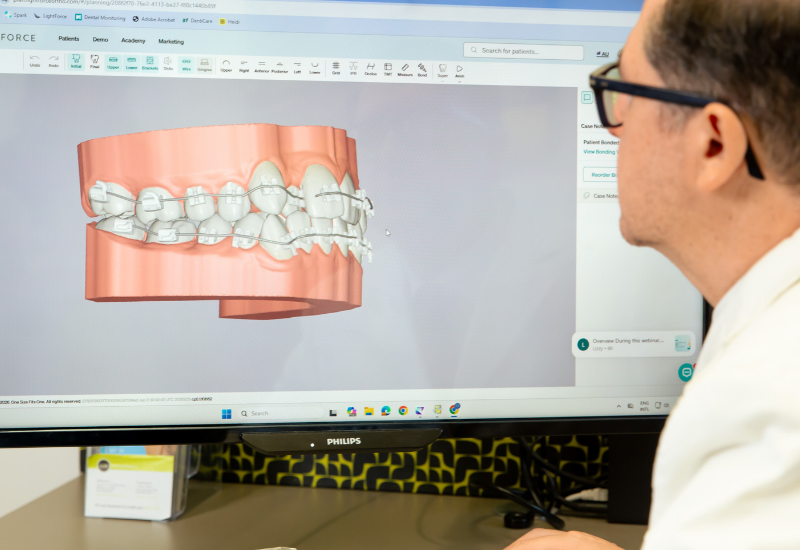
During your bonding appointment, your teeth will first be prepared so the brackets can be carefully attached to each tooth. Once the brackets are in place, an orthodontic wire is fitted to begin guiding your teeth according to your treatment plan.
The exact process may vary depending on the type of braces you are having, and your Specialist Orthodontist and clinical team will talk you through what is happening as you go.
Before you leave, we will show you how to care for your braces, clean around your brackets and look after your teeth throughout treatment.
Does Getting Braces Hurt?
The fitting process itself should not be painful. Getting braces is a straightforward procedure where each bracket is carefully bonded to the tooth using dental adhesive.
Once your braces begin applying gentle, consistent pressure, it is normal for your teeth to feel a little tender or sensitive for a few days while they adjust.
For most people, the initial tenderness is temporary. You may notice that your teeth feel sensitive when biting or chewing, particularly during the first day or two. This is a normal part of your mouth adjusting to the braces.
You may also notice that the brackets feel unfamiliar against the inside of your lips and cheeks at first. As you become accustomed to your braces, this usually becomes much less noticeable.
What Are the First Few Days With Braces Like?
The first few days are often about getting used to having something new in your mouth.
You may experience:
- Mild tenderness when biting or chewing
- A feeling of pressure around your teeth
- Some sensitivity when eating
- Minor irritation to your lips or cheeks as they adjust to the brackets
- A little extra awareness of your braces when speaking or smiling
Everyone responds differently, so some people may experience very little discomfort, while others may need a few days to adjust.
The good news is that this initial period is temporary. As your mouth becomes accustomed to your braces, they should start to feel much more natural.
Tips for Managing Initial Tenderness
It’s normal for your teeth to feel tender for a few days after getting braces. This happens as your teeth begin responding to the gentle pressure used to guide them into their new positions.
A few simple strategies can make this adjustment period more comfortable:
- Choose softer foods: Soups, pasta, yoghurt, eggs and smoothies can be easier to eat while your teeth are tender. For more ideas, read our guide to braces-safe foods, including foods to enjoy and those best avoided during treatment.
- Avoid hard, sticky or crunchy foods: These can put additional pressure on tender teeth and may damage or dislodge your braces.
- Use orthodontic wax, if needed: If a bracket or wire is rubbing against your cheeks or lips, orthodontic wax can provide temporary relief while your mouth adjusts.
- Consider over-the-counter pain relief: If your teeth feel tender after getting braces or following an adjustment, an over-the-counter pain reliever such as paracetamol or ibuprofen may help for a day or two. Always follow the directions on the label and check that the medicine is suitable for you. If you’re unsure, speak with your pharmacist, doctor or orthodontic team.
- Keep your teeth clean: Continue brushing twice a day with fluoride toothpaste and cleaning between your teeth daily. Good oral hygiene is particularly important during orthodontic treatment because braces can create additional areas where plaque can collect.
- Give yourself some breathing room: If possible, avoid scheduling a particularly busy day immediately after having your braces fitted. Giving yourself time to adjust can make the first day or two feel easier.
Some tenderness is expected, but it should gradually improve. If you experience significant or persistent discomfort, or if something feels unusual, contact our team for advice.
What About Sports, School or Work?
In most cases, braces do not mean you need to stop your usual activities.
Children and teenagers can continue attending school and participating in their regular activities. Adults can generally continue working as usual.
If you play contact or high-impact sports, speak with your Specialist Orthodontist about suitable mouth protection. A mouthguard can help protect your teeth and braces during sports.
You may also notice some temporary changes when speaking, particularly when you first have your braces fitted. Most people adapt as they become more familiar with their appliances.
When Should I Contact My Specialist Orthodontist?
Some initial tenderness is expected. However, if you experience significant or persistent discomfort, or if a bracket or wire becomes damaged and is causing a problem, send us a message through the Dental Monitoring app for advice.
A loose bracket, broken wire or other orthodontic issue does not necessarily mean your treatment has been affected, but your orthodontic team should know about it so they can advise you on what to do next.
If you experience a dental emergency or have concerns that extend beyond normal orthodontic discomfort, seek appropriate professional care.
Starting Braces Is the Beginning of Your Treatment Journey
Getting braces is a significant step, but knowing what to expect can make those first few days much easier.
At L&L Orthodontics, our Specialist Orthodontists have been providing specialist orthodontic care since 2000. With over 50 years of combined experience and more than 10,000 smile transformations, our team stays up to date with the latest orthodontic techniques and research.
From your first consultation through to your regular treatment appointments, we aim to make every stage clear, supportive and easy to understand for patients and families.
With clinics in Melbourne & Templestowe, our friendly team is here to answer your questions and help you feel prepared before your braces go on.
Ready to Start Your Orthodontic Journey?
If you are considering braces or clear aligners for yourself or your child, book a consultation with one of our Specialist Orthodontists to discuss your individual orthodontic needs and treatment options.
Consultation required to assess eligibility. Our orthodontists will advise whether treatment is suitable for you.