
How Much Do Braces and Clear Aligners Cost in Melbourne?
How much do braces or clear aligners cost in Melbourne? The answer depends on the type of orthodontic treatment you need, the complexity of your treatment and how long treatment is expected to take. At L&L Orthodontics, your treatment fees are based on your individual treatment plan. Before you start treatment, we’ll explain your treatment options, what each option costs, what’s included and the payment options available to you. In this guide, we’ll break down the costs of braces and clear aligners, what can affect the price and what to consider when comparing orthodontic treatment fees. What Influences the Cost of Orthodontic Treatment? The cost of orthodontic treatment varies because every treatment plan is different. Factors that may affect your treatment fee include: The type of braces or clear aligners recommended The complexity of the tooth and bite movements required The expected length of treatment Whether you’re treating one or both arches Any additional appliances or treatment stages required What’s included in your treatment fee, such as retainers and ongoing monitoring After assessing your teeth and bite, your Specialist Orthodontist can recommend suitable treatment options and our team will provide a clear breakdown of the associated costs. Metal Braces: An Affordable Option Metal braces remain a reliable and cost-effective solution, especially for moderate to complex orthodontic issues. In Melbourne, the cost of braces generally starts from $8,000 for a full course of treatment, depending on case complexity and treatment length. Metal braces are popular among children and teens, though adults may also consider them for complicated corrections. If you are budget-conscious, traditional metal braces are almost always the most affordable option with Specialist Orthodontist supervision. Their durability and effectiveness make them a trusted choice across age groups. Ceramic Braces: Discreet and Effective Ceramic (tooth-coloured) braces offer a nearly invisible look, blending with natural teeth for those conscious about their smile during treatment. These typically cost $11,500 for a standard course of treatment in Melbourne. The extra cost compared to metal braces reflects the high-quality, stain-resistant materials and added aesthetic appeal. If your priority is a subtle appearance in professional or social settings, ceramic braces provide an effective alternative to metal. LightForce™ 3D Braces: Personalised Precision LightForce 3D Braces use brackets that are individually designed and 3D printed based on your teeth and your orthodontist’s treatment plan. This additional customisation and digital planning is reflected in the treatment fee, with LightForce generally costing more than traditional metal braces at L&L Orthodontics. The investment for LightForce™ 3D braces typically starts from $11,500 depending on your treatment needs and length. Want to learn more about this treatment type? Read our guide to discover what LightForce braces are and what makes them different. Clear Aligners: Invisalign® and Spark Aligner therapy has revolutionised orthodontic care, offering removable, transparent trays that gently guide teeth into position. In Melbourne, two leading names are Invisalign® and Spark. Invisalign®: For a full course (usually 18 to 24 months), the cost of Invisalign® generally starts around $7,000 depending on your specific needs. This includes all planning, digital imaging, and adjustments. Spark Aligners: Comparable to Invisalign®, Spark uses advanced TruGEN material and provides a similar range of transparent, custom aligners. Spark aligner costs typically start from $7,000, depending on complexity and treatment length. Shorter treatment programs or minor cosmetic adjustments can cost less, but most comprehensive treatments fall within this full-course range. What’s Included in the Cost of Orthodontic Treatment? When comparing orthodontic treatment costs, it’s important to look beyond the initial price. Different treatment fees may include different services, appointments and aftercare, so understanding exactly what’s covered can help you compare your options. At L&L Orthodontics, your treatment fee will be explained clearly before you decide whether to proceed. Depending on your individual treatment plan, your fee may include: Your braces or clear aligners and the appliances required as part of your treatment Specialist orthodontic treatment planning based on your teeth, bite and individual treatment needs Scheduled treatment appointments with our clinical team throughout your orthodontic treatment Dental Monitoring, allowing our team to review your treatment between in-clinic appointments Retainers and aftercare as outlined in your treatment plan Ongoing clinical support if you have questions or concerns during treatment Your initial orthodontic consultation is charged separately at $120 and includes a clinical assessment, digital imaging and diagnostic X-rays. Following your assessment, we’ll provide your recommended treatment options and a clear breakdown of the associated fees, including anything that may incur an additional cost. When comparing quotes from different orthodontic providers, check what’s included in the total treatment fee rather than comparing the headline price alone. Payment Plans and Making Braces Affordable Many Melbourne clinics, including L&L Orthodontics, offer interest-free payment plans to spread treatment costs into manageable installments. Plans are flexible, customisable and designed to make a straight, healthy smile accessible for all families. Discuss your options before starting, and ask about timing, deposit amounts, and inclusions. With the right plan, premium braces or advanced aligners become more affordable. What Should You Compare When Looking at Orthodontic Costs? If you’re comparing orthodontic fees, don’t look at the headline price alone. Different treatment quotes may include different services. Check: Who will diagnose and plan your treatment What type of braces or aligners are included What’s included in your treatment fee Whether retainers are included How your treatment will be monitored What payment options are available This can help you make a more meaningful comparison between treatment options and providers. Understanding Your Orthodontic Treatment Costs The cost of braces or clear aligners will depend on your individual orthodontic needs and the treatment recommended for you. The best way to understand your options and exact treatment fee is to have your teeth and bite assessed by an orthodontist. At L&L Orthodontics, we’ll explain your recommended treatment options, costs, what’s included and available payment options before you decide whether to proceed. Book an orthodontic consultation with one of our Specialist Orthodontists at our Melbourne CBD or Templestowe clinic. Treatment suitability, costs and treatment times vary depending on individual needs. A clinical
What Is IPR in Orthodontics? Interproximal Reduction Explained
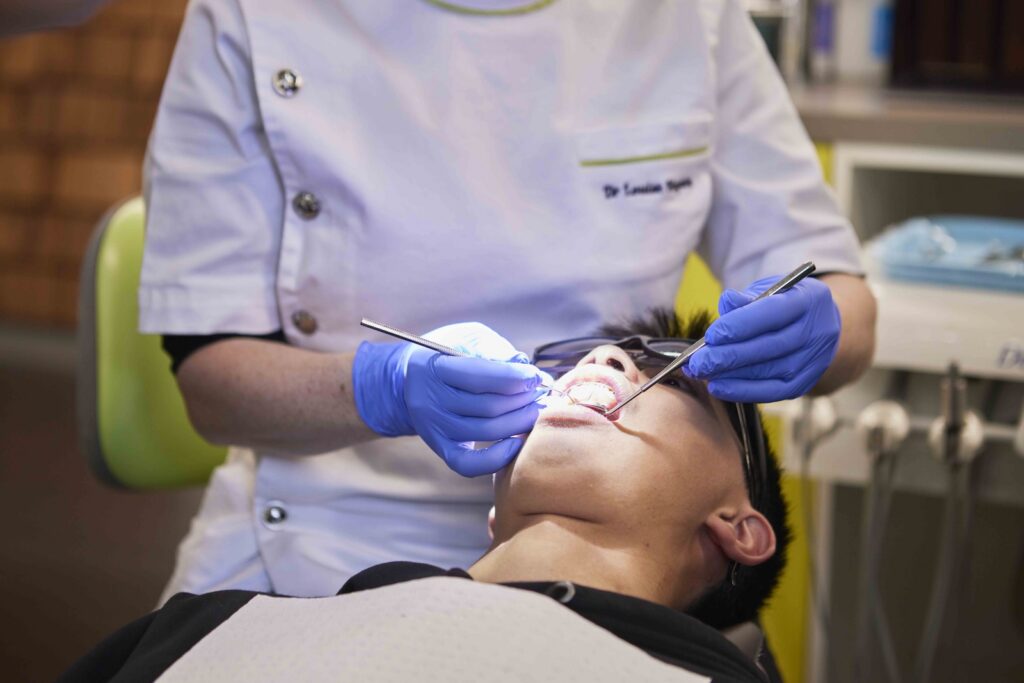
If interproximal reduction, or IPR, is part of your orthodontic treatment plan, you might be wondering exactly what it involves and why your orthodontist has recommended it. IPR is an orthodontic technique that involves removing a very small, carefully measured amount of enamel from between selected teeth. It may be used during braces or clear aligner treatment to create space for planned tooth movements or, in some cases, help manage small triangular spaces between the teeth known as black triangles. IPR isn’t needed for every patient. Your orthodontic team will explain if it’s recommended as part of your individual treatment plan, why it’s being considered and what the procedure involves. Understanding Interproximal Reduction (IPR) Interproximal reduction involves carefully removing a small amount of enamel (less than 1mm) from the sides of selected teeth. This creates a small amount of additional space that your orthodontist can incorporate into your treatment plan. Depending on your individual orthodontic needs, IPR may be recommended with braces or clear aligners. The amount and location of IPR are planned in advance as part of your orthodontic treatment. Only selected teeth are treated, and the amount of enamel removed is carefully measured. Why Is IPR Used During Orthodontic Treatment? Your orthodontist may recommend IPR when a small amount of additional space is needed to achieve the planned tooth movements. Depending on your treatment, IPR may be used to: Create space when teeth are crowded Help manage the shape and contact points of neighbouring teeth Support planned tooth movements with braces or clear aligners Help reduce the appearance of some black triangles between teeth Whether IPR is appropriate depends on factors such as your tooth shape, enamel, crowding and overall treatment plan. What Are Black Triangles Between Teeth? Black triangles are small triangular spaces that can sometimes appear between neighbouring teeth near the gumline. The clinical term for these spaces is open gingival embrasures. They can occur for several reasons, including the shape and position of the teeth and changes to the gum tissue. In some orthodontic cases, aligning triangular-shaped teeth can make these spaces more noticeable because the wider part of each tooth comes into contact while a small space remains closer to the gumline. Can IPR Help With Black Triangles? In some cases, IPR may be used to slightly reshape the sides of selected teeth. This can change where neighbouring teeth make contact and may allow your orthodontist to bring the teeth closer together as part of the planned orthodontic movements. IPR isn’t appropriate for every black triangle, and it may not completely close the space. Your orthodontist can assess the cause of the black triangle and explain whether IPR may be appropriate in your individual case. How Is IPR Performed? IPR can be performed using different orthodontic instruments, including fine abrasive strips or discs that allow the clinician to remove a carefully measured amount of enamel between selected teeth. The technique used will depend on the amount of space required, the teeth being treated and your individual treatment plan. Your Specialist Orthodontist or Oral Health Therapist will explain what’s planned before the procedure begins. Does IPR Hurt? IPR involves gentle polishing of enamel where the teeth contact to help create space for the teeth to move into the desired position. Only a small amount of enamel is removed. To complete the polishing, we use a combination of diamond strips, or your orthodontist sometimes will use a disc to complete the polishing – these are safe and measured to conform to the natural shape of the tooth. Most people do not experience any pain or sensitivity during or after IPR, unless your teeth are already prone to sensitivity during orthodontic treatment, but this usually subsides within the day. Your Oral Health Therapist or orthodontist will explain what to expect before starting and let them know if you feel uncomfortable at any stage. Is IPR Permanent? Yes. IPR permanently removes a small amount of enamel, so it is an irreversible procedure. For this reason, the amount and location of IPR are carefully planned before it is performed. If IPR is recommended as part of your treatment, your clinical team will explain why it’s being considered and discuss the procedure with you beforehand. Can You Have IPR With Braces or Clear Aligners? IPR may form part of your treatment plan with braces or clear aligner treatment depending on your teeth, bite and individual treatment plan. Your orthodontist will discuss this with you and gain your consent before planning any IPR in your treatment. Is IPR Right for Everyone? IPR isn’t part of every orthodontic treatment plan. Whether it’s recommended will depend on your individual teeth, bite and the tooth movements your orthodontist has planned. If IPR is recommended during your treatment at L&L Orthodontics, our clinical team will explain why it’s needed, where it will be performed and what to expect before proceeding. If you’re considering orthodontic treatment, you can book a consultation with one of our Specialist Orthodontists at our Melbourne CBD or Templestowe clinic to discuss the treatment options that may be suitable for you. Individual treatment needs and experiences vary. A clinical assessment is required to determine whether IPR or another orthodontic technique is appropriate for you.
5 Questions to Ask Before Starting Orthodontic Treatment

If you’re considering braces or clear aligners, knowing what to ask at your orthodontic consultation can help you understand your treatment options and make an informed decision about your care. From who will plan your treatment to costs, treatment times and ongoing support, here are five important questions to ask before starting orthodontic treatment. Who Will Be Planning and Managing My Orthodontic Treatment? Before starting treatment, it’s important to understand who will assess your teeth and bite, design your treatment plan and oversee your care. In Australia, a Specialist Orthodontist is a dentist who has completed additional postgraduate specialist training in orthodontics and holds specialist registration in orthodontics. At L&L Orthodontics, your treatment plan is designed by one of our Specialist Orthodontists based on your teeth, bite and individual treatment needs. When comparing providers, you may also want to ask about the clinician’s qualifications, experience and who you’ll see throughout your treatment. What Treatment Options Are Available? There isn’t one orthodontic treatment that’s right for everyone. Depending on your teeth, bite, age, treatment needs and preferences, there may be more than one option available to you. These may include: LightForce™ 3D Braces — precision, custom-printed brackets engineered for your unique anatomy Clear aligners (like Spark) Metal braces Early orthodontic interventions, such as Invisalign® First or Spark Junior aligners for younger patients Ask why a particular treatment has been recommended for you, whether there are alternatives and what the differences are in cost, appearance, day-to-day care and treatment requirements. If more than one option is suitable, your orthodontist can explain the differences so you can make an informed decision. How Long Will My Treatment Take, and How Often Will I Need to Visit? Orthodontic treatment times vary depending on factors such as the tooth movements required, the complexity of your treatment and how your teeth respond. Before starting, ask about your estimated treatment timeframe and what could cause it to change. It’s also helpful to understand how often you’ll need to attend the clinic. Appointment schedules vary depending on your treatment and the stage you’re at, so some periods may require more frequent visits than others. At L&L Orthodontics, we also use Dental Monitoring between appointments. This gives our clinical team regular information about your treatment and helps us determine when an in-person appointment may be needed. How Much Does Teeth Straightening Cost? The cost of orthodontic treatment varies depending on your individual needs, the type of treatment recommended and what’s included in your treatment fee. When comparing orthodontic costs, it’s worth asking: What is included in the total treatment fee, including appointments and retainers? Could any additional fees apply for treatment, such as for replacement appliances or refinements? What deposit and payment plan options are available? Can I claim any of the cost through my private health insurance? At L&L Orthodontics, we provide a clear breakdown of your treatment costs before you decide whether to proceed. We offer interest-free payment plans and flexible deposit options to help you manage the cost of treatment over time. Your initial orthodontic consultation is $120. Following your assessment, we’ll explain the treatment options that may be suitable for you, the associated costs and what’s included in your treatment fee. Read our guide to how much orthodontic treatment costs for a rough outline of what to expect. What Support Will I Have During Treatment? Orthodontic treatment can take months or years, so it’s worth understanding how your orthodontic team will support you between scheduled appointments. Before starting treatment, ask: Who should I contact if I have a problem or question? What happens if I break an appliance or lose an aligner? How will my treatment be monitored between appointments? Can I access an in-person appointment if something needs to be checked? What happens if my treatment isn’t progressing as planned? At L&L Orthodontics, Dental Monitoring helps our clinical team stay connected with you between appointments. Patients can submit regular scans and contact the clinical team through the app, while in-clinic appointments are scheduled when needed. Why These Questions Matter Orthodontic treatment is a commitment, so it’s important to understand what your treatment involves before you decide whether to proceed. Asking questions about your clinician, treatment options, timeframe, costs and ongoing support can help you compare providers and understand what to expect throughout your treatment. And if there’s anything you don’t understand, ask. Your orthodontic team should be able to explain your treatment plan, costs and what will be expected from you in clear terms. Have Questions About Orthodontic Treatment? Your first orthodontic consultation is an opportunity to have your teeth and bite assessed, discuss your treatment options and ask any questions you have before deciding whether to proceed. At L&L Orthodontics, your initial consultation costs $120 and includes a clinical assessment and diagnostic records. One of our Specialist Orthodontists will then discuss the treatment options that may be suitable for you. Book an orthodontic consultation at our Melbourne CBD or Templestowe clinic. Individual treatment needs, suitability, costs and treatment times vary. A clinical assessment is required before treatment recommendations can be made.