
Why Do Teeth Shift as You Get Older? Causes and Treatment Options

Yes, your teeth can shift as you get older. Changes to your teeth, gums and supporting structures can contribute to gradual movement throughout adulthood. Previous orthodontic treatment doesn’t necessarily prevent future movement either, particularly if retainers aren’t worn as recommended. If you’ve noticed new gaps, crowding or changes to your bite, there may be several reasons why. Below, we explain why teeth can shift in adulthood, when you should seek advice and what treatment options may be available. Why Do Teeth Shift as You Age? It’s common to notice changes in your teeth as you get older, even if they were once straight. If you’ve noticed increasing crowding, new gaps or changes to your bite, there may be several reasons why. Below, we explain why teeth can shift in adulthood and when it may be worth speaking with a Specialist Orthodontist. 1. The Ageing Process Teeth aren’t permanently fixed in one position. As you age, changes can occur in your teeth, gums, jaw and the structures supporting your teeth. Over time, these changes can contribute to gradual movement and crowding, which is often particularly noticeable around the lower front teeth. 2. Teeth Grinding and Clenching Many adults grind or clench their teeth, often without realising it, especially while asleep. This pressure places significant strain on the teeth and jaw, which can contribute to unwanted movement and alignment issues. 3. Tooth Loss When a tooth is lost or extracted and not replaced, adjacent teeth may begin to move into the space. This can result in changes to your bite and overall alignment, especially if left unaddressed over time. 4. Gum Disease Advanced gum disease affects the supporting structures of the teeth, including the bone and connective tissues. As these foundations weaken, teeth may become loose or begin to shift from their original positions. 5. Everyday Habits Small, repeated behaviours such as nail-biting, chewing on objects, or sleeping consistently on one side of your face can apply uneven pressure on the teeth and contribute to gradual movement. 6. Not Wearing Your Retainer Retainers play an important role in maintaining the position of your teeth after orthodontic treatment. Because teeth can naturally continue to move over time, wearing your retainers as recommended can help maintain your alignment and reduce the risk of orthodontic relapse. Can Shifted Teeth Be Straightened Again? If your teeth have shifted, orthodontic treatment may be an option depending on the cause and extent of the movement, as well as your oral health. Treatment options for adults may include clear aligners or braces. Before recommending treatment, a Specialist Orthodontist will assess your teeth and bite and consider factors such as your dental history, gum health and treatment goals. In some cases, other dental or periodontal treatment may need to be addressed before orthodontic treatment begins. Our orthodontists will let you know if this is required for your smile. FAQ Do teeth naturally shift as you get older?Some gradual movement can occur throughout adulthood as your teeth and their supporting structures change over time. Why are my bottom teeth becoming crooked?Crowding of the lower front teeth can become more noticeable with age. Several factors can contribute, so an orthodontic assessment can help identify what’s happening in your individual case. Why are my teeth shifting after braces?Teeth can move after orthodontic treatment, particularly when retainers aren’t worn as recommended. Long-term retainer wear helps maintain tooth position. Can teeth shift even if you’ve never had braces?Yes. Teeth can gradually change position throughout life regardless of whether you’ve previously had orthodontic treatment. Can shifted teeth be straightened again?In many case, yes. Depending on your oral health and the type and extent of movement, braces or clear aligners may be suitable. An orthodontic assessment is required to determine which treatment options are suitable for your smile. Interested in Straightening Your Teeth? If you’ve noticed changes in your smile, you’re not alone, and treatments are available. At L&L Orthodontics, we provide tailored treatment options for adult patients, including clear aligners and fully customised LightForce 3D braces. Whether your tooth movement is minor or more advanced, our Specialist Orthodontists can assess your bite, identify the underlying cause, and develop a treatment plan to realign your smile comfortably and efficiently. Book a consultation today. Consultation required to assess eligibility. Our orthodontists will advise whether treatment is suitable for you.
What to Expect on Your Orthodontic Journey with L&L Orthodontics

Beginning orthodontic treatment is a significant and exciting step toward achieving a confident, healthy smile. At L&L Orthodontics, we’re committed to making your experience as smooth and supportive as possible. Here’s what you can expect at each stage of your treatment journey. Step 1: Consultation & Preparation Your journey starts with a comprehensive consultation at one of our Melbourne locations, Collins Street or Templestowe. During this appointment, you will meet with one of our Specialist Orthodontists and a Treatment Coordinator for a detailed examination of your teeth, bite, and oral health. X-rays are important to see the roots of your teeth and the associated jaw bones. Based on this assessment, we will recommend the most appropriate treatment option for your needs, whether that involves clear aligners or LightForce 3D braces. If required, we may suggest a visit to your dentist or another specialist to ensure your teeth and gums are in optimal condition before beginning treatment. Once your plan is confirmed, we will design your custom clear aligners or braces. Step 2: Starting Treatment When your appliance is ready, you’ll return to our practice to begin your treatment. Whether you’re receiving aligners or braces, your appliance will be carefully fitted by our experienced orthodontic team. With more than 10,000 patients treated, you can feel confident that you are in expert hands. At this appointment, we’ll also provide detailed instructions on how to care for your appliance and maintain your oral hygiene throughout treatment. Step 3: Monitoring Progress We offer Dental Monitoring as part of all treatments at L&L Orthodontics. This is a cutting-edge app that uses AI technology to track your progress remotely. By submitting weekly scans through the app, our team can monitor your tooth movement in real time, making your treatment more efficient and convenient. You’ll be able to see changes happening and stay in close contact with our team through the app. If you have any questions along the way, we’re always just a message or phone call away! Step 4: Completion & Retention Once your treatment is complete, we’ll remove any attachments or braces and polish your teeth, revealing your new smile. To maintain your results long term, we’ll also fit a custom retainer and schedule a follow-up visit to ensure the fit is correct. Wearing your retainer as directed is crucial for preserving your results and preventing your teeth from shifting over time. Ready to begin your smile transformation? Book a consultation with the team at L&L Orthodontics and take the first step toward the confident smile you’ve always wanted.
What to Expect at Your Orthodontic Consultation at L&L Orthodontics
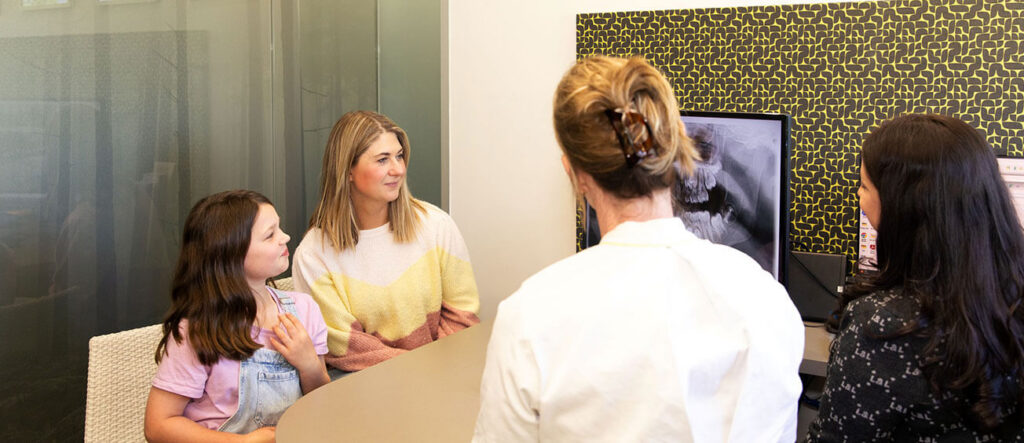
If you’re considering orthodontic treatment, your first consultation is an opportunity to understand your teeth and bite, explore your treatment options and ask any questions you may have. At L&L Orthodontics, your initial orthodontic consultation includes a clinical assessment and diagnostic records to help our Specialist Orthodontists determine which treatment options may be suitable for you. Here’s what to expect at your first orthodontic consultation, what’s included and what happens next. Allow an Hour for Your Appointment Your first consultation will last approximately one hour. During this time, one of our skilled Specialist Orthodontists will review the health of your teeth, jaw, and gums, take measurements, and gather all the necessary details to understand your unique smile needs. Thorough Examination and Diagnostics At your appointment, we’ll take diagnostic records, including high-quality digital photos of your face and teeth as well as x-rays. The Specialist Orthodontist will review these to help create your personalised treatment plan based on your smile goals. Treatment Recommendations and Options The Specialist Orthodontist will discuss their findings and recommend the treatment options that best suit your smile goals and your lifestyle. Options may include early treatment for children, including Invisalign First, Spark Clear Aligners for a nearly invisible approach or LightForceTM 3D-printed braces for precision and comfort. Dedicated Support from Our Treatment Coordinator Once you’ve had a chance to ask questions and understand your options, our Treatment Coordinator will guide you through the financial investment and provide a range of payment options and plans to suit your budget. There will be plenty of time to talk through any further questions or concerns you may have. Follow-Up with a Detailed Report After your visit, a report summarising your consultation, diagnostic results, and recommended treatment plan will be sent to both you and your dentist, ensuring everyone is informed and aware of the next steps. The Cost The total cost for this consultation is $120, which includes all diagnostic photos and x-rays taken on the day. If you decide to go ahead with treatment, the fee will be discounted from your treatment cost. Ready to Begin Your Journey? Our team is here to make your experience as smooth as possible, with personalised care and support every step of the way. Book your consultation and take the first step on your orthodontic journey. Details are accurate at the time of writing. Consultation required to assess eligibility. Our orthodontists will advise which treatment is suitable for you.
Travelling with Clear Aligners: Essential Tips

Travelling with clear aligners takes a little extra planning, but your treatment routine can come with you. Whether you’re heading overseas, taking a weekend trip or travelling for work, packing the right essentials and knowing what to do if something goes wrong can make looking after your aligners while away much simpler. From flying with clear aligners to keeping them clean and knowing what to do if you lose a tray, here are our practical tips for travelling during clear aligner treatment. What Should You Do Before Travelling With Clear Aligners? A few simple checks before you leave will save stress later. Confirm your wear schedule and next change date. Set reminders in your phone so time zones do not throw you off. Pack extra aligners if advised. If you are due to change mid-trip, bring the current set and the next set in their labelled packets. Keep packaging for reference. Take recent progress photos in your Dental Monitoring app before you go. This creates a clear baseline if we need to advise you while you are away. Add our clinic details in your phone. If you are a regular traveller, let us know so we can plan remote check-ins. If you are early in treatment or approaching a key stage, ask whether a quick in-clinic check is helpful before you depart. What to Pack When Travelling With Clear Aligners Create a small, easy-to-reach kit for flights, road trips and day tours. Must-haves include: Hard aligner case, plus a spare case in your day bag. Travel toothbrush and fluoride toothpaste. Interdental brushes or floss picks. Compact alcohol-free mouthwash. Chewies or seating aids if prescribed. Aligner removal tool if you use one. Sugar-free gum or xylitol mints for dry mouth. Mild, clear, unscented soap for cleaning trays. A small zip bag for used floss and to keep everything together. If you’re flying, keep your current aligners and any additional sets in your hand luggage rather than checked baggage. This keeps them with you if your checked luggage is delayed or lost, so you can continue following your prescribed aligner schedule. Daily Routines That Work Anywhere Holidays and travel can change your usual routine, but a little planning can make it easier to keep up with your clear aligner wear and care while you’re away. Continue wearing your aligners for around 22 hours each day, or as recommended by your orthodontist. Remove your aligners for meals and when drinking anything other than plain water. Keep your aligner case handy so you have somewhere safe to store them whenever you take them out. Rinse your aligners with cool water and continue your usual cleaning routine while you’re away. Brush and floss after meals before putting your aligners back in. If you can’t brush straight away, rinse your mouth with water and brush when you next have the opportunity. If you’re enjoying coffee, wine or other staining drinks, remove your aligners first and clean your teeth before putting them back in. On long travel days, a phone reminder can be helpful if your usual meal and aligner routine gets disrupted. Tips for Managing Clear Aligners on Flights Stay hydrated. Cabin air can leave your mouth feeling dry, so drink water regularly throughout your flight. Keep your oral hygiene essentials handy. Pack a travel toothbrush, fluoride toothpaste and floss in your hand luggage so you can clean your teeth after meals before putting your aligners back in. Follow your prescribed aligner schedule. Travelling across time zones can make routines confusing, so check your wear and change schedule before you leave. If you’re unsure when to change to your next set, contact our team for advice. Keep your aligners safe during meals. Always put them straight into their case when you remove them rather than wrapping them in a napkin or leaving them on your tray table. Do Time Zones Affect Your Clear Aligner Schedule? Travelling across time zones shouldn’t mean changing your treatment plan yourself. Continue following your prescribed wear and aligner change schedule, and contact your orthodontic team if you’re unsure when to change to your next set. Using Dental Monitoring to Stay Connected Dental Monitoring keeps you linked with our clinicians wherever you are. With regular smartphone scans, we can: Check fit and tracking. Advise on early or delayed changes. Troubleshoot small issues quickly. Reduce the need for in-person visits. Before your trip, update your app, pack your scan device, and enable notifications for quick responses. What Should You Do if You Lose an Aligner While Travelling? It happens, particularly on busy days. Your first step is to contact us through Dental Monitoring and let us know which aligner you’ve lost or damaged. Depending on where you are in your treatment, we can advise whether you should wear a previous aligner, move to another set or take another approach. As a general guide, we recommend: Lost your current aligner? Return to your previous aligner and wear it full-time while you wait for advice from our team. Cracked or damaged aligner? If it still fits comfortably, continue wearing it until our team advises you otherwise. Almost due to change aligners? Contact us through Dental Monitoring before moving to your next set. Don’t skip ahead by multiple aligners. Your aligner sequence forms part of your individual treatment plan. Sharp attachment bothering you? Orthodontic wax can help cover a sharp or irritating area temporarily. Your individual instructions may vary depending on your treatment plan, so always follow the advice provided by your orthodontic team. How to Keep Your Clear Aligners Clean While Travelling Brush after every meal with fluoride toothpaste. Floss once daily or use interdental brushes. Always use your aligner case – never napkins. Keep aligners away from heat, dashboards or direct sun. Stay hydrated to support oral health. Common Travel Scenarios, Solved Street food or long tours: rinse if brushing is not possible, brush at first chance. Event dinners: remove aligners before the meal, store in your case, sip water to reduce staining,
LightForce™ 3D Braces Care Guide

LightForce™ 3D braces are changing the game in orthodontics. Custom-designed and 3D-printed for your unique smile, they offer a precise and comfortable fit. But like any orthodontic treatment, the best results come from good care and healthy habits. Here’s what you need to know to keep your LightForce braces and your smile on track throughout your treatment. How to Brush and Floss With LightForce Braces Brackets and wires create extra areas where plaque and food can collect, so you’ll need to take a little extra care when cleaning your teeth during treatment. Brush at least twice a day using a soft toothbrush and fluoride toothpaste. Take your time around each bracket, underneath the wire and along your gumline. Clean between your teeth daily using a floss threader, orthodontic flosser or another tool recommended by our team. Use interdental brushes to clean around brackets and reach smaller spaces that your toothbrush may miss. Consider a water flosser as a useful addition to your oral hygiene routine. You can purchase one from our friendly team at reception. Not sure whether you’re reaching all the right areas? Ask us at your next appointment. We’re always happy to show you the best way to clean around your braces. Read our guide for more tips on maintaining your oral hygiene during orthodontic treatment. Eat Smart: Braces-Friendly Foods When your braces are first fitted or adjusted, you may find softer foods more comfortable while your mouth adjusts. Once you’re comfortable eating normally again, you can enjoy a varied diet, but you’ll need to take a little extra care with foods that could damage your brackets or wires. Avoid biting directly into very hard, sticky or chewy foods such as hard lollies, nuts, ice, caramel and chewing gum. You can still enjoy many crunchy foods by preparing them differently, such as slicing apples, grating or steaming carrots and cutting corn from the cob. For a complete list of foods to enjoy, modify and avoid, read our guide to braces-safe foods. What to Do if Your LightForce Braces Feel Uncomfortable It’s common to experience some tenderness or pressure after your braces are first fitted or following certain adjustments. Your cheeks and lips may also need a little time to get used to your brackets. A few things may help while your mouth adjusts: Choose softer foods if chewing feels uncomfortable. Use orthodontic wax over a bracket or wire that’s irritating your cheek or lip. Rinse your mouth with warm salt water if you develop a sore spot. Speak with your pharmacist or healthcare professional about appropriate over-the-counter pain relief if needed. If you’re experiencing persistent pain, a wire is causing significant irritation or something doesn’t feel right, contact our team for advice. Protect Your Teeth and LightForce 3D Braces During Sport You can continue playing sport while wearing LightForce braces, but protecting your teeth and braces is particularly important if you play a contact or high-impact sport. Wear an orthodontic-friendly mouthguard that has enough room to accommodate your brackets and ongoing tooth movement. At L&L Orthodontics, we stock NeoMorph® Mouthguards, which are designed for use during orthodontic treatment. Read our guide to mouthguards during orthodontic treatment for more information about choosing and wearing a mouthguard with braces. If you damage a bracket or wire while playing sport, contact our team through Dental Monitoring or give us a call so we can advise you on what to do next. What Should You Do if a LightForce Bracket or Wire Breaks? If you notice a loose bracket, broken wire or anything else that doesn’t look or feel right, let us know through Dental Monitoring or contact the clinic. If a wire or bracket is irritating your cheek or lip, orthodontic wax can help cover the area temporarily while you wait for advice from our team. Avoid trying to cut, remove or repair your braces yourself. Our team can assess the issue and let you know whether you need an appointment or whether it can wait until your next scheduled visit. Keeping in Touch With Your Orthodontic Team Your scheduled orthodontic appointments allow our team to monitor your tooth movement, check your braces and make any clinical adjustments needed throughout treatment. Between appointments, you’ll also use Dental Monitoring to send regular scans from home. Our clinical team reviews these scans and can contact you if we notice something that needs attention. Dental Monitoring is also an easy way to let us know about a loose bracket, irritating wire or other treatment concern between appointments. Everyday Habits That Help Protect Your Braces A few simple habits can help you avoid unnecessary damage to your LightForce braces: Don’t chew on pens, pencils or fingernails. Avoid biting directly into hard foods. Keep your toothbrush and interdental brushes handy when you’re away from home. Store orthodontic wax somewhere easy to access in case a bracket or wire causes irritation. Check your braces when brushing so you notice loose or damaged brackets early. Need Help With Your LightForce Braces? Getting used to caring for braces takes a little time, and you don’t need to figure everything out on your own. If you’re unsure how to clean around your brackets, something feels uncomfortable or you think part of your braces may be damaged, let us know. L&L patients can contact our clinical team through Dental Monitoring or call our Melbourne CBD or Templestowe clinic for advice. This information is general in nature. LightForce Braces care and wear instructions may vary, so always follow the advice provided by your orthodontic team.
What Are 3D-Printed Braces? A Guide to LightForce™ Braces
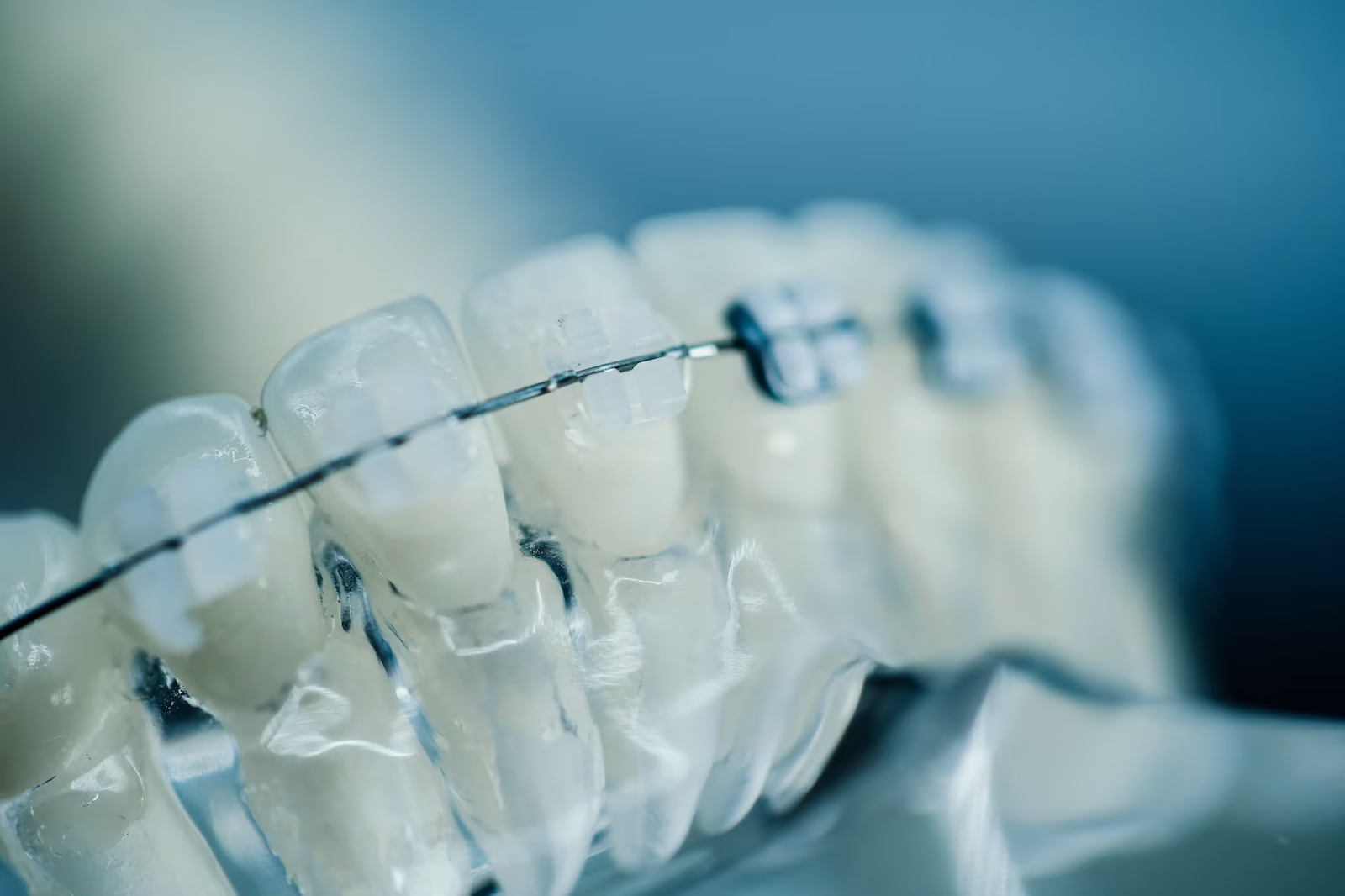
3D printing has introduced a new level of customisation to fixed braces treatment. LightForce™ 3D Braces use digital treatment planning and 3D-printing technology to create brackets designed specifically for the individual patient. Unlike traditional braces, which use standard pre-manufactured brackets, LightForce™ brackets are designed around your teeth and your Specialist Orthodontist’s treatment plan. So, what does that actually mean for your orthodontic treatment? Here’s how LightForce™ 3D-printed braces work and what makes them different from traditional braces. What Are LightForce™ Braces? LightForce 3D Braces are a customised fixed braces system that combines digital orthodontic treatment planning with 3D-printed brackets. Developed by American orthodontist Dr Alfred Griffin, LightForce™ Braces are the world’s first fully custom, 3D printed braces. Unlike traditional braces, which use generic, one-size-fits-all brackets, LightForce brackets are custom-designed to fit the unique shape and angle of each of your teeth using the same 3D scanning technology used for clear aligners. Your Specialist Orthodontist digitally plans your treatment, including the intended tooth movements and bracket positioning. LightForce™ technology then uses this treatment plan to design individual brackets for your teeth. Each bracket has a customised base designed to closely match the surface of the tooth it will be bonded to. Custom placement trays then help transfer the digitally planned bracket positions onto your teeth during your bonding appointment. “We believe that the future of orthodontics is going to revolve around 3D printing and customisation.” – Dr Alfred Griffin, founder and CEO of LightForce Why Choose LightForce™ 3D Braces? Customised brackets Traditional braces use standard pre-manufactured brackets. LightForce brackets are individually designed and 3D printed based on your orthodontist’s treatment plan. Digital treatment planning Your Specialist Orthodontist plans the intended tooth positions and bracket placement digitally before your braces are fitted. Custom placement trays LightForce uses custom placement trays to help transfer the planned bracket positions onto your teeth during your bonding appointment. Ceramic and metal options Whether you prefer the discreet appearance of ceramic brackets or the classic braces look of metal brackets, LightForce™ has an option to suit you How Are 3D-Printed Braces Different From Traditional Braces? Both traditional and LightForce™ braces use brackets and archwires to apply controlled forces to the teeth. The main difference is how the brackets are made and how their positioning is planned. Traditional metal braces use standard, pre-manufactured brackets that your orthodontist positions according to your treatment plan. LightForce™ brackets are individually designed and 3D printed based on digital planning completed by your orthodontist. Neither option is automatically right for every patient. Your orthodontist will consider your teeth, bite, treatment needs and preferences when recommending a braces system. Smarter Monitoring with Dental Monitoring Technology We pair LightForce™ treatment with the same advanced Dental Monitoring technology used in our aligner cases. With a smartphone and our app-compatible scan box, patients can submit remote scans from home, the office, or even while travelling. Your orthodontist can track progress from your weekly scans and let you know if an in-person visit is necessary, so you’re supported even when you’re not in the clinic. LightForce’s case studies have also seen patients experience fewer appointments while staying closely monitored. L&L Orthodontics: Australia’s Largest Provider of LightForce Braces We are proud to be the largest provider of LightForce™ 3D printed braces in Australia, based on the number of patients treated since we introduced the technology in September 2022. If you’re looking for a Melbourne orthodontist offering the latest in custom braces and 3D orthodontic treatment, we’d love to help you explore your options. Book a consultation at L&L Orthodontics to find out if LightForce™ 3D printed braces are right for you. With clinics in Melbourne CBD and Templestowe, we make it easy to access the future of orthodontic care today. Consultation required to assess eligibility. Our orthodontists will advise whether treatment is suitable for you.
How to Choose an Orthodontist: What to Look For
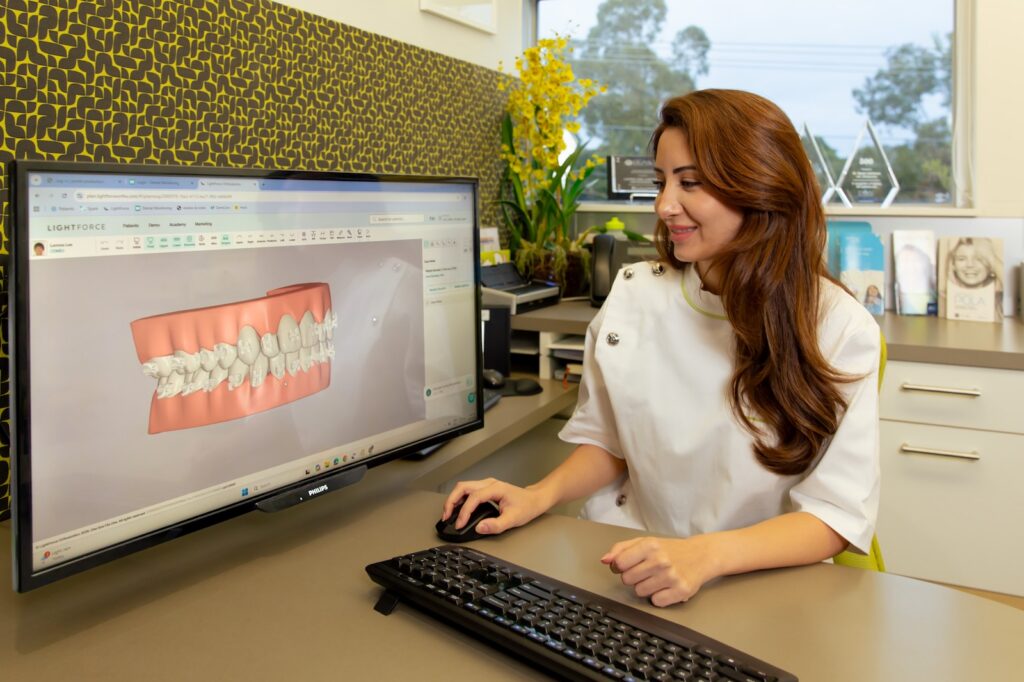
Choosing an orthodontist is an important decision. Orthodontic treatment can take place over months or years, so it’s worth finding a practitioner and team you feel comfortable with and understand what to expect before getting started. From checking specialist registration and understanding your treatment options to comparing costs and ongoing care, there are several things to consider. Here’s what to look for when choosing an orthodontist for yourself or your child. Start with Professional Standards and Training In Australia, orthodontics is a recognised dental specialty. A Specialist Orthodontist is a dentist who has completed additional postgraduate specialist training in orthodontics and holds specialist registration in orthodontics. If you’re comparing orthodontic providers, check the qualifications and registration of the practitioner who will diagnose, plan and oversee your treatment. You can verify a practitioner’s registration through AHPRA’s public register. It’s also worth asking who will be responsible for your treatment plan and who you’ll see throughout treatment. Find Out Who Will Plan and Oversee Your Treatment Before starting treatment, understand who will assess you, create your treatment plan and oversee your care. Ask questions such as: Who will diagnose and plan my treatment? Who will I see at my regular appointments? Who can I contact if I have a problem between appointments? How will my treatment be monitored? At L&L Orthodontics, our Specialist Orthodontists are responsible for diagnosis and orthodontic treatment planning, supported by our wider clinical team. Ask What the Consultation and Assessment Include A thorough orthodontic assessment helps your orthodontist understand your teeth, bite and jaws before recommending treatment. Ask what your initial consultation includes and whether any diagnostic records, such as photographs, X-rays or digital scans, will be required. You should also leave your consultation understanding whether treatment is recommended, which options may be suitable, the expected treatment approach and the associated costs. Understand Your Treatment Options Different orthodontic practices may offer different types of braces, clear aligners and orthodontic technology. Having more options doesn’t necessarily mean one treatment is better than another. What matters is whether the treatment is appropriate for your individual needs. Ask your orthodontist: Which treatment options may be suitable for me? Why do you recommend this option? What are the advantages and limitations? Are there alternative treatment options? What will treatment involve day to day? At L&L Orthodontics, treatment options include traditional metal braces, LightForce 3D Braces, clear aligners and early orthodontic interventions like Invisalign First. Our Specialist Orthodontists recommend treatment based on each patient’s individual assessment. Consider Relevant Experience It can be helpful to ask about your orthodontist’s experience with the treatment options being considered, particularly if your orthodontic needs are more complex. Experience is only one factor when choosing an orthodontist. Your diagnosis, treatment planning, communication and ongoing clinical care are also important considerations. Clinic Environment and Patient-First Care A supportive clinic environment makes treatment easier, especially for children and busy adults. Consider: Comfort and Accessibility Waiting room comfort, disabled access, and practical amenities. Scheduling and Punctuality Flexible appointments and respect for your time. Patient Feedback Verified reviews that mention communication, friendliness, and outcomes. Our Collins Street and Templestowe clinics are designed with comfort and accessibility in mind, including brushing stations and a welcoming team. Patients regularly highlight clear communication and smooth coordination throughout treatment. Make Sure You Understand the Costs Before starting treatment, ask for a clear breakdown of the expected treatment fees and what’s included. Questions worth asking include: What does the treatment fee include? Are retainers included? Could additional fees apply? What payment options are available? Are there payment plans? Can I claim orthodontic treatment through my private health insurance? Don’t compare orthodontic treatment on the headline price alone. Check what’s included so you can make a meaningful comparison between treatment plans. Ask What Happens After Treatment Orthodontic care doesn’t necessarily end when your braces come off or you finish your last set of aligners. Retainers are an important part of maintaining tooth position after treatment. Before you start, ask what the practice’s retention plan includes, which retainers may be provided, how often you’ll need to wear them and what happens if a retainer is lost or damaged. Choose a Practice That Works for You Orthodontic treatment involves an ongoing relationship with your orthodontic team, so practical considerations matter too. Think about clinic locations, appointment availability, parking or public transport, communication between appointments and how easy it will be to attend throughout treatment. Most importantly, choose a team that communicates clearly, listens to your concerns and makes you feel comfortable asking questions. What Should You Expect at Your First Orthodontic Consultation? Your first consultation should give you an opportunity to discuss your concerns, understand your orthodontic needs and ask questions about treatment. At L&L Orthodontics, your initial consultation includes a clinical assessment by our Specialist Orthodontists, dental photos, x-rays and a 3D scan of your teeth. We’ll walk you through your treatment options, finance and what to expect from treatment. You can read our complete guide to what to expect at your first orthodontic consultation before your visit. FAQs What should I look for when choosing an orthodontist?Look at qualifications and specialist registration, who will plan and oversee your treatment, treatment options, communication, costs, retention and ongoing care. What’s the difference between an orthodontist and a dentist?A Specialist Orthodontist first qualifies as a dentist and then completes additional postgraduate specialist training in orthodontics and holds specialist registration. How can I check if someone is a Specialist Orthodontist?You can check a practitioner’s registration and recognised specialty through AHPRA’s public register. What questions should I ask an orthodontist at my consultation?Ask what treatment they recommend and why, what alternatives are available, how long treatment may take, who will oversee your care, what the fees include and what happens after treatment. Should I get a second orthodontic opinion?If you’re uncertain about a diagnosis or proposed treatment plan, you can seek another professional opinion before deciding whether to proceed. Choosing the Right Orthodontist for You Choosing an orthodontist isn’t just about comparing treatment options.
5 Tips for Healthy Teeth During Orthodontic Treatment

Looking after your teeth and gums is always important, but orthodontic treatment can mean giving your oral hygiene routine a little extra attention. Brackets, wires and attachments can create additional areas for plaque and food to collect, while clear aligners can hold plaque against the teeth if your teeth or aligners aren’t cleaned properly. Small changes to your everyday routine can make a difference. We asked the L&L team to share some of the practical oral health tips they regularly give our patients during orthodontic treatment. 1. Brushing Tip: Close Your Mouth for a Better Clean Nicole, Head of Practice Management “One of the most common things people forget when brushing is to close your teeth together to reach the molars properly. When your mouth is wide open, your cheek can block the toothbrush from getting to those back teeth, and that’s where plaque loves to hide!” 2. Reduce Sugary Drinks to Avoid White Spots Dr. Lawrence, Specialist Orthodontist “Did you know it takes 30–60 minutes for your saliva to neutralise the sugar and acid in soft drinks, juice or slurpees? During this time, your teeth are vulnerable to decay, and if you have braces, you could also develop white spots on your teeth. We recommend drinking sugary drinks with your main meals (not sipping over time), and the best drink for your teeth? Plain water. Always.” 3. Replace Your Toothbrush Every Season Sam, Dental Assistant “Whether you use a manual or electric toothbrush, remember to replace it every 3 months. The bristles wear down and aren’t as effective at removing plaque. A handy trick? I change mine at the start of every new season — it helps me remember!” 4. Make Flossing Work for Your Routine Anna, Reception “I find a water flosser really easy to fit into my routine. If you’re finding traditional flossing tricky, ask the clinical team to show you some different options.” 5. Keep Up With Your Regular Dental Check-Ups Your orthodontic appointments don’t replace your regular visits to the dentist. Your dentist continues to look after your general dental health throughout orthodontic treatment, including checking your teeth and gums for signs of decay or other concerns. Continue attending your regular dental check-ups and cleans at the intervals recommended by your dentist. Want More Advice on Oral Hygiene During Orthodontic Treatment? These everyday habits are a great place to start, but your oral hygiene routine may need to change depending on whether you have braces or clear aligners. Read our Ultimate Guide to Oral Hygiene During Orthodontic Treatment for more detailed advice on brushing, flossing, cleaning around braces, caring for clear aligners and protecting your teeth throughout treatment. Keeping Your Teeth Healthy Throughout Treatment Good oral hygiene is a team effort. Your orthodontic team can help you care for your teeth and orthodontic appliance, while your dentist continues to look after your general dental health throughout treatment. If you’re an L&L patient and you’re finding brushing or flossing around your braces difficult, ask us at your next appointment. We can show you different techniques and recommend tools that may make your routine easier. You can also find a range of oral care products at reception in both our Melbourne CBD and Templestowe clinics.
How Often Do I Need to Visit the Orthodontist During Treatment?
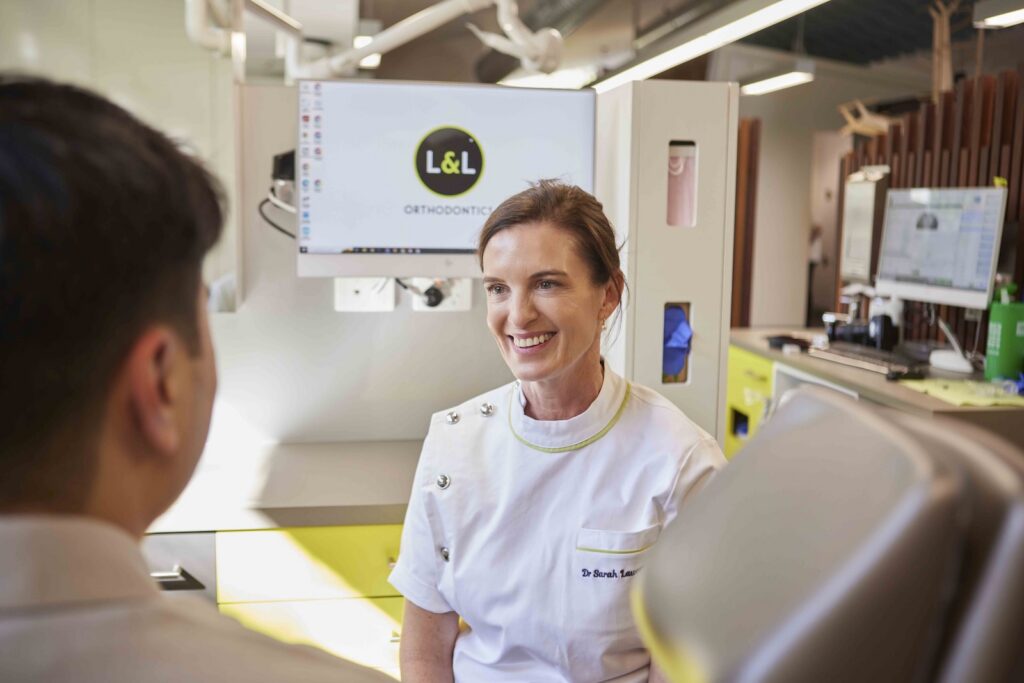
How often you need to visit your orthodontist depends on your treatment, how your teeth are moving and your individual treatment plan. While regular in-person appointments remain an important part of orthodontic care, technology such as Dental Monitoring can also allow your clinical team to review your treatment between scheduled visits. At L&L Orthodontics, we use Dental Monitoring alongside braces and clear aligner treatment, helping our clinical team stay connected with patients between appointments. How Often Are Orthodontic Appointments? How often you need to visit the orthodontist will depend on your treatment and individual treatment plan. Some stages require more frequent appointments for clinical checks or adjustments, while at other stages, your appointments may be spaced further apart. For example, some patients may visit us every month or two for appointments such as wire changes, while others may go several months between visits. Your orthodontist will plan your appointments around what’s needed at each stage of your treatment. At L&L Orthodontics, we also use Dental Monitoring to keep an eye on your treatment between appointments. Regular scans give our clinical team additional information about how your treatment is progressing and help us stay connected with you between visits. What Is Dental Monitoring? Dental Monitoring is an innovative app that allows our clinical team to monitor your progress remotely using photos you take on your smartphone. Instead of attending frequent in-clinic check-ups, you simply upload weekly scans from the comfort of your home. Our clinical team review your scans and provide feedback to ensure your treatment is progressing as planned and AI supports the monitoring process ensuring nothing is missed. How It Works: Download the app and set up your profile Once you start your orthodontic treatment we’ll help get you started with the Dental Monitoring app, and the scan box pro (this is what connects to your Smartphone) and will show you how to make clear, consistent images of your teeth. You can download the app here (Apple | Google). Weekly Scans Each week, the app will remind you to complete a quick scan. Simply follow the guided audio and visual instructions to capture and upload your images. Professional Review Once your scan is submitted, our clinical team carefully reviews your tooth movement, gum health, and overall progress. If everything is on track, you’ll receive a message letting you know to continue as usual. If adjustments are needed, we’ll either provide updated instructions or schedule an in-person appointment. Fewer In-Clinic Appointments With regular, detailed updates from your scans, we can reduce the number of in-clinic appointments needed, plus in some cases speed up your treatment. This is because it can spot things early, which means we can progress you sooner. Amazing! Benefits of Dental Monitoring During Orthodontic Treatment ConvenienceComplete your scheduled scans using your smartphone, whether you’re at home or travelling. Regular monitoring between appointmentsYour scans provide our clinical team with additional information about your treatment between scheduled clinic visits. Easy communicationYou can use the app to stay connected with our clinical team and ask treatment-related questions between appointments. Fits around everyday lifeScanning from home can make it easier to incorporate treatment monitoring into school, work, family life and travel. Will I Still Need In-Person Orthodontic Appointments? Yes. Dental Monitoring supports your orthodontic care between appointments but doesn’t replace the need for in-person clinical visits. Your orthodontist will still need to see you at different stages of treatment to assess your teeth and bite, check your orthodontic appliance and make any clinical adjustments that require an in-person appointment. How often you need to attend will depend on your treatment and individual needs. When Might I Need an Extra Orthodontic Appointment? Sometimes our team may need to see you sooner than your next scheduled appointment. This could happen if: A bracket or wire breaks or becomes loose Your aligners aren’t fitting as expected You experience persistent pain or discomfort An orthodontic appliance becomes damaged Our clinical team identifies something during Dental Monitoring that needs an in-person assessment If you’re unsure whether you need an appointment, contact us through Dental Monitoring or call the clinic for advice. Staying Connected Throughout Your Orthodontic Treatment Regular orthodontic appointments and Dental Monitoring each play a role in your ongoing care at L&L Orthodontics. Your in-person appointments allow our team to provide the clinical care and adjustments you need, while Dental Monitoring helps us stay connected with you between visits. Your orthodontist will recommend an appointment and monitoring schedule based on your individual treatment. If you’re considering braces or clear aligners, book an orthodontic consultation at our Melbourne CBD or Templestowe clinic to discuss your treatment options. Consultation required to assess eligibility. Our orthodontists will advise whether treatment is suitable for you.
Direct-to-Consumer Aligners vs Orthodontist-Led Treatment: What’s the Difference?
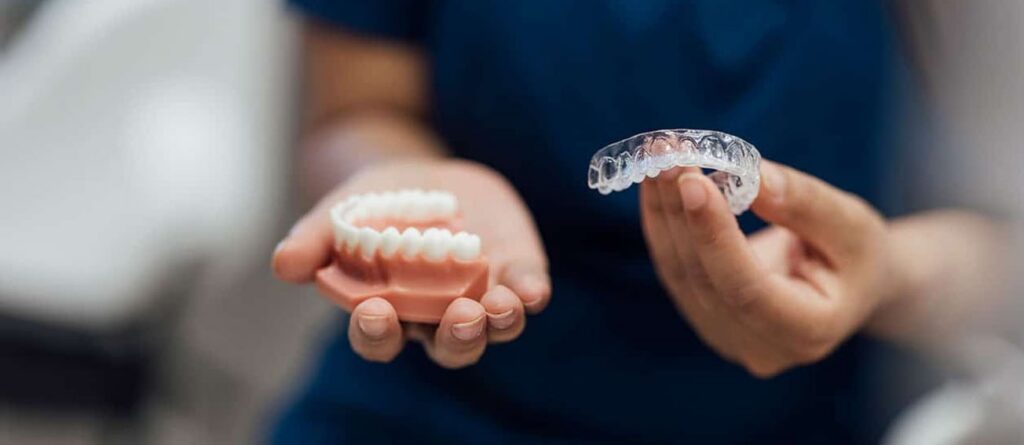
Clear aligners are everywhere. Ads promise fast, low-cost straightening that you can manage from home. The convenience is tempting. Yet teeth and jaws are living, complex systems. Moving them safely requires accurate diagnosis, careful planning and ongoing supervision. In this guide, you will learn where do-it-yourself aligner models often fall short, why Specialist Orthodontist oversight matters and how a specialist-led approach like what we offer at L&L Orthodontics helps you achieve a healthy, stable smile that lasts. How Can Direct-to-Consumer Aligner Treatment Differ? Direct-to-consumer aligner services use different models of care, so it’s important to understand exactly what a particular provider includes. Depending on the provider, there may be differences in: Whether you have an in-person clinical examination before treatment Whether diagnostic X-rays are taken Who assesses your teeth and bite Who designs and approves your treatment plan Whether in-person appointments are available during treatment How your tooth movement is monitored What happens if your aligners aren’t fitting as expected What aftercare and retainers are provided Before choosing any clear aligner provider, ask how these aspects of your care will be managed. What Is a Specialist Orthodontist? In Australia, a Specialist Orthodontist is a dentist who has completed additional postgraduate specialist training in orthodontics and holds specialist registration in orthodontics. Orthodontists focus on diagnosing and managing the alignment of the teeth and jaws. During clear aligner treatment, an orthodontist may assess your teeth and bite, determine whether aligners are suitable, plan the required tooth movements and monitor your treatment over time. You can check a practitioner’s registration and recognised specialty through AHPRA’s public register. What Does Orthodontist-Led Clear Aligner Treatment Involve? Clinical assessment Before recommending treatment, your orthodontist assesses your teeth, bite and oral health and reviews the diagnostic records needed to plan your treatment. Individual treatment planning If clear aligners are appropriate, your orthodontist plans the tooth movements required for your individual treatment. Depending on your needs, this may include attachments, elastics or interproximal reduction (IPR). Ongoing monitoring Your orthodontic team monitors your tooth movement throughout treatment and can make changes to your treatment plan when clinically appropriate. At L&L Orthodontics, our Dental Monitoring app helps us check your progress between visits. When needed, we bring you in for hands-on visits and refinements so your treatment progresses as planned. Retention and aftercare Once active orthodontic treatment is complete, your orthodontist will provide advice about retainers and ongoing wear to help maintain the position of your teeth. Why Clinical Assessment and Monitoring Matter During Orthodontic Treatment Orthodontic treatment involves applying forces to move teeth through the supporting bone and tissues. Like any orthodontic treatment, clear aligner treatment has potential risks and requires appropriate assessment, treatment planning and monitoring. Potential considerations can include: Changes to the gums and supporting tissues Root resorption Changes to the bite Tooth decay or gum problems if oral hygiene isn’t maintained Teeth not moving as planned Your individual risks will depend on factors such as your teeth, gums, bite, oral health and planned tooth movements. These should be assessed before treatment and monitored as appropriate throughout your care. What Does Clear Aligner Treatment at L&L Orthodontics Include? Clear aligners are an excellent tool in the right hands. The difference is the plan, the expertise and the follow-through. Our Specialist Orthodontists plan your smile to the millimetre. Comprehensive assessment We start with a one hour consultation. Clinical exam, x-rays, dental photos and 3D digital scans to inform a clear diagnosis. You receive an honest discussion of options, timelines and expected outcomes at L&L Orthodontics. Specialist-designed treatment plan One of our Specialist Orthodontists will design your treatment plan around your individual orthodontic needs and what you hope to achieve from treatment. Precise digital planning Our Specialist Orthodontists craft step-by-step movements. Attachments, bite ramps and elastics are placed strategically where needed. We select material and trim lines for comfort and control. For suitable cases we use Spark clear aligners or Invisalign® aligners. For other cases we may recommend LightForce™ braces or traditional metal braces to improve precision. Ongoing monitoring with humans behind the tech Our Dental Monitoring app helps us check your progress between visits. When needed, we bring you in for hands-on visits and refinements so your treatment is tracking well. Support, every step Comfort tips, hygiene coaching, travel plans, and retention guidance are part of your care. The L&L Orthodontics team is always on hand to help. Retainers and aftercare Care doesn’t stop when your treatment does. When you finish clear aligner treatment, we’ll issue you with retainers and explain how to wear and care for them to help maintain your results. Comparing Your Clear Aligner Options? Clear aligners may look similar from one provider to another, but the way your treatment is assessed, planned and monitored can differ. Before starting treatment, make sure you understand who will assess you, who is responsible for your treatment plan, how your progress will be monitored and what support is available if something doesn’t go as expected. If you’re considering clear aligner treatment, our Specialist Orthodontists can assess your teeth and bite and discuss the treatment options that may be suitable for you. Book an orthodontic consultation at our Melbourne CBD or Templestowe clinic. Individual treatment needs, experiences and treatment times vary. A clinical assessment is required to determine whether clear aligners or another orthodontic treatment may be suitable for you.