
Ultimate Guide to Oral Hygiene During Orthodontic Treatment
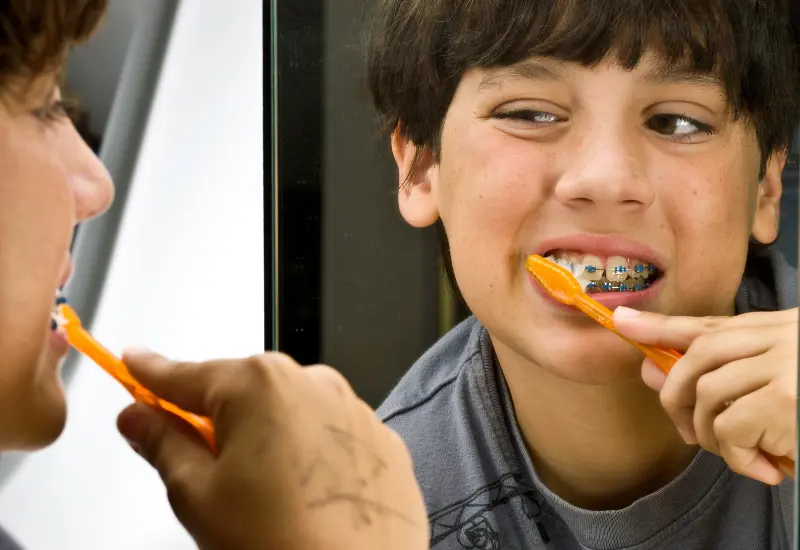
Good oral hygiene is always important, but it needs a little extra attention during orthodontic treatment. Braces can create additional areas where food and plaque collect, while clear aligners need to be kept clean alongside your teeth and gums. The good news is that looking after your teeth during treatment doesn’t need to be complicated. With the right routine, techniques and tools, you can help keep your teeth and gums healthy throughout your orthodontic treatment. In this guide, we cover how to brush and floss with braces or clear aligners, what products can help, the oral health problems to look out for and when to see your dentist or orthodontic team. Why Is Oral Hygiene So Important? Plaque is a sticky film of bacteria that naturally builds up on your teeth. During orthodontic treatment, brackets, wires and clear aligner attachments can create additional areas for plaque and food to collect. Clear aligners can also hold plaque against the teeth if your teeth or aligners aren’t cleaned properly. Without effective brushing and cleaning between your teeth, plaque build-up can increase the risk of: Tooth decay Gum inflammation and gum disease Enamel demineralisation, which can appear as white marks on the teeth Bad breath Maintaining good oral hygiene helps keep your teeth and gums healthy while your orthodontic treatment progresses. How to Keep Your Teeth Clean With Clear Aligners Because clear aligners are removable, you can take them out to brush and floss your teeth as usual. It’s important to keep both your teeth and aligners clean throughout treatment, particularly before putting your aligners back in after eating or drinking anything other than water. Regular brushing and cleaning between your teeth helps prevent food and plaque from becoming trapped underneath your aligners, supporting healthy teeth and gums throughout treatment. How to Keep Your Teeth Clean With Braces Whether you’re wearing LightForce™ 3D Braces or traditional metal braces, keeping your teeth and braces clean requires a little extra attention. Food and plaque can collect around brackets and underneath wires, so it’s important to clean these areas thoroughly as part of your daily oral hygiene routine. When brushing, take your time around each bracket, paying particular attention to the areas above and below the brackets and along your gumline. Cleaning between your teeth each day is also important, using floss or other cleaning tools recommended by your orthodontic team. Flossing around braces can take some practice. If you’re finding it tricky, ask us at your next appointment and our team can show you techniques and tools that can make cleaning around your braces easier. How Your Diet Affects Oral Health During Orthodontic Treatment What you eat and drink can make a difference to your oral health during orthodontic treatment. Frequently consuming sugary or acidic foods and drinks can increase the risk of tooth decay and enamel demineralisation, particularly when plaque isn’t being removed effectively from around brackets, wires or attachments. You don’t need to completely avoid sugar, but limiting how often you have sugary or acidic foods and drinks can help protect your teeth. Water is the best choice for everyday hydration, alongside a balanced diet and a consistent brushing and flossing routine. If you’re wearing braces, you’ll also need to take a little extra care with hard, sticky and chewy foods, as these can damage brackets and wires. Read our guide to what to eat with braces for braces-friendly food ideas and tips on foods that may need to be avoided or modified. Your Daily Oral Hygiene Routine During Orthodontic Treatment How Often Should You Brush Your Teeth During Orthodontic Treatment? Good brushing habits are especially important during orthodontic treatment, as food and plaque can collect around brackets, wires and attachments. Brush your teeth for 2 minutes at least twice a day using fluoride toothpaste, taking extra care to clean along the gumline and around your orthodontic appliance. If you wear braces, you may also find it helpful to brush after meals when possible to remove food caught around your brackets and wires. Take your time and make sure you’re reaching above, below and around each bracket rather than simply brushing over them. How Do You Floss With Braces? Flossing with braces can take a little more time, but there are several tools that can make cleaning between your teeth easier. Floss threaders and super floss can help you guide floss underneath your wire, while interdental brushes can be useful for cleaning around brackets and between teeth. A water flosser can also be a helpful addition to your routine for removing food and plaque from hard-to-reach areas. If you’re unsure which tools to use or how to floss effectively with your braces, ask our team at your next appointment. We can demonstrate different techniques and help you find an approach that works for you. Cleaning Between Your Teeth With Clear Aligners One benefit of removable clear aligners is that you can take them out to brush and floss your teeth as usual. Clean between your teeth every day, paying particular attention to areas where food or plaque may collect. Before putting your aligners back in, make sure your teeth are clean and your aligners have been cleaned as recommended. This helps prevent food and plaque from becoming trapped between your teeth and aligners. FAQs How often should I brush my teeth with braces?We recommend brushing twice daily for 2 minutes at a time. You may also find it helpful to brush after meals to dislodge any food particles stuck in your brackets or wires. Can you use an electric toothbrush with braces?Yes, an electric toothbrush can generally be used with braces. Your orthodontic team can advise you on brushing techniques for your appliance. How do you floss with braces?Floss threaders, orthodontic floss, interdental brushes and water flossers can make cleaning around brackets and wires easier. Do I still need dental cleans while I have braces?Yes. Continue attending your regular dentist for check-ups and professional cleans as recommended. What happens if you don’t
What Are Chalky Teeth? A Guide for Parents
Chalky teeth is a term used to describe developmental defects that can affect the strength and appearance of tooth enamel. One common form affects the first adult molars and may be identified during childhood. Children with chalky teeth may require additional dental care, and the condition can also be an important consideration when planning orthodontic treatment. At L&L Orthodontics, we work alongside your child’s dentist or paediatric dentist when orthodontic treatment is being considered. Can Chalky Teeth Affect Orthodontic Treatment? Chalky teeth can be an important consideration when planning orthodontic treatment. Because the enamel of affected teeth may be weaker or more sensitive, your orthodontist will need to consider the condition of these teeth when assessing your child and recommending treatment. Depending on the teeth affected and their severity, orthodontic treatment may need to be planned alongside care from your child’s dentist or paediatric dentist. This can help ensure their dental health and orthodontic needs are considered together. Every child is different, so having chalky teeth does not necessarily mean they cannot have orthodontic treatment. A clinical assessment is needed to understand how the condition may influence treatment options and timing. We Keep Up-To-Date On Chalky Teeth (D3s) To keep up with the latest information, we belong to The D3 Group whose mission is ‘Better understanding and care of people with chalky teeth’. This Australasian network brings together interested dental professionals, doctors, scientists and healthcare companies to share knowledge, discuss research needs, and formulate best standards of care and education. The D3 Group has a special interest in chalky molars (‘Molar Hypomin’), a disturbingly common problem that affects about 1-in-6 schoolchildren worldwide. And in case you’re wondering, ‘D3‘ is just another way of saying Developmental Dental Defects (DDD), which is the technical term for chalky teeth. Helping You Learn About Chalky Teeth To assist your learning about chalky teeth, our clinic makes available the full range of educational resources produced by The D3 Group. These include some really cool stickers and an easy to understand storybook made especially for children with Molar Hypomin. For those of you wanting to learn more about Molar Hypomin and other types of chalky teeth, we recommend you visit the Chalky Teeth Campaign website. This is an authorised satellite page of www.thed3group.org (copyright The D3 Group and Lavrin-Lawrence Orthodontics). Enquiries to D3-Sam@thed3group.org
Orthodontics and Sport: Why Mouthguards Are Important

If sport is a big part of your or your child’s life, starting orthodontic treatment doesn’t mean you need to sit on the sidelines. You can continue playing the sports you love, but protecting your teeth becomes especially important when there’s a risk of contact to the face or mouth. Whether you’re wearing braces or clear aligners, choosing the right mouthguard can help protect your teeth and mouth while you play. And because orthodontic treatment changes the position of your teeth over time, there are a few extra things to think about when finding the right fit. Here’s what you need to know about mouthguards during orthodontic treatment. Why Are Mouthguards Important During Orthodontic Treatment? Contact and high-impact sports such as AFL, rugby, basketball, hockey, martial arts and netball all come with a risk of knocks to the face or mouth. These impacts can cause injuries such as chipped, cracked or displaced teeth, as well as cuts to the lips and cheeks. A well-fitting mouthguard helps absorb and distribute some of the force of an impact. If you wear braces, it also creates a protective barrier between your brackets and wires and the inside of your lips and cheeks. The important thing is finding a mouthguard that works with your orthodontic treatment. Your teeth will move throughout treatment, so your mouthguard needs to accommodate your appliance and changes in tooth position. Our Specialist Orthodontist Dr Igor Lavrin explains, “A custom-fitted mouthguard is always the safest option. It offers the best protection, fits comfortably, and ensures athletes can focus on their game without worrying about dental injuries.” Can You Wear a Mouthguard With Braces? Absolutely. If you wear braces and play a contact or high-impact sport, you’ll need a mouthguard that has enough room to fit over your brackets and wires while allowing for changes in your teeth as treatment progresses. Because your teeth are moving, a mouthguard that fitted well at the beginning of treatment may not fit the same way several months later. Check the fit regularly and let our team know if it starts to feel too tight, uncomfortable or no longer sits properly over your braces. Can You Wear a Mouthguard With Clear Aligners? Yes. If you wear clear aligners and play a sport where a mouthguard is recommended, you’ll still need one. Your aligners and mouthguard have different jobs, so your clear aligners shouldn’t take the place of a sports mouthguard. How you manage the two will depend on your individual treatment and the mouthguard you use. If you’re unsure whether to remove your aligners while playing or how sport will affect your daily wear time, ask us. We can give you advice based on your treatment plan. What Type of Mouthguard Do You Need During Orthodontic Treatment? Not every mouthguard works well with orthodontic treatment. If you have braces, your mouthguard needs enough room for your brackets and wires as well as the tooth movement that happens throughout treatment. A re-mouldable orthodontic mouthguard can be useful because you can adjust the fit as your teeth move. If you wear clear aligners, your orthodontic team can help you choose a mouthguard that works with your treatment and explain how to manage it alongside your aligner wear schedule. Most importantly, your mouthguard should fit securely and comfortably. If you’re not sure what you need, ask us before you buy one. We’re always happy to help you find an option that suits your orthodontic treatment and the sport you play. Mouthguards at L&L Orthodontics We stock NeoMorph® Mouthguards at both our clinics. They’re Australian-made, re-mouldable mouthguards designed for moderate-contact sports and can be used during treatment with braces or clear aligners. Triple-layered for protection and comfort Secure, tight fit over teeth and orthodontic appliances like braces or clear aligners Re-mouldable for easy re-fitting and adjustment 3-minute at-home fitting process Designed for use with or without braces and clear aligners (ages 11+) Free from BPA, Lead, Latex, PVC and Phthalates Made in Australia If you’re not sure whether a NeoMorph® Mouthguard is suitable for you or your child, have a chat with our team. We can consider your orthodontic appliance, treatment and the sport you play. Supporting Our Local Sporting Community We know how much sport means to many of our patients and families. It’s one of the reasons we’re proud to support local sports clubs across Melbourne, including football, netball, basketball and little athletics. Playing Sport With Braces or Clear Aligners? You can still get out there and play while you’re undergoing orthodontic treatment. You’ll just need to take a little extra care to protect your teeth and orthodontic appliance along the way. If you or your child plays a contact or high-impact sport, talk to us about mouthguards at your next appointment. NeoMorph® Mouthguards are also available from reception at our Melbourne CBD and Templestowe clinics.
5 Tips for Healthy Teeth During Orthodontic Treatment
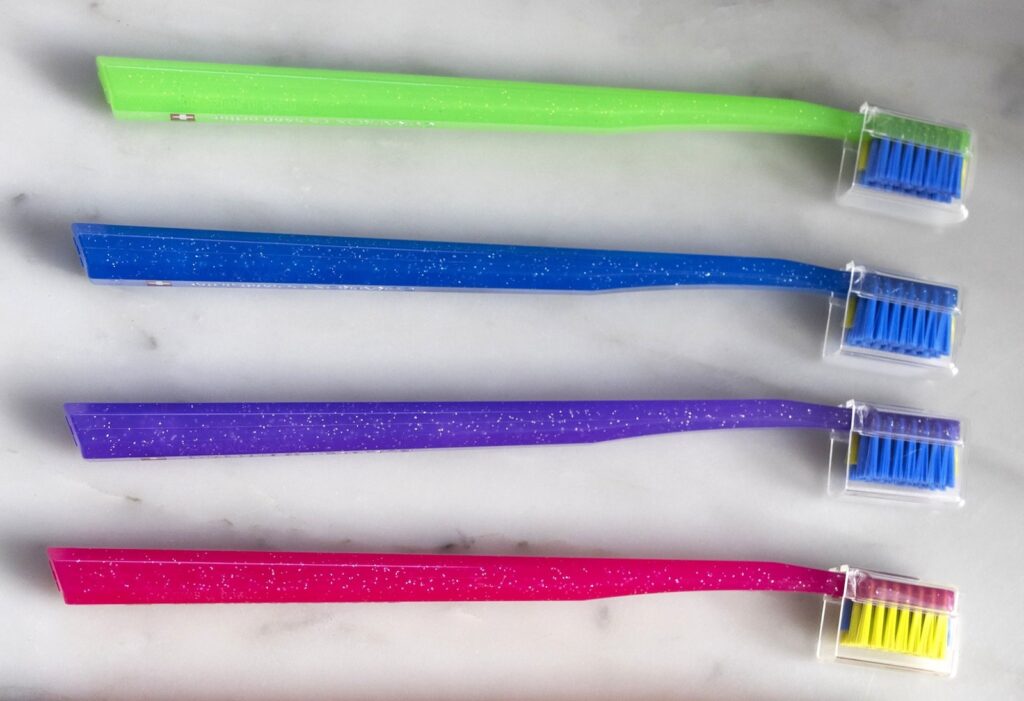
Looking after your teeth and gums is always important, but orthodontic treatment can mean giving your oral hygiene routine a little extra attention. Brackets, wires and attachments can create additional areas for plaque and food to collect, while clear aligners can hold plaque against the teeth if your teeth or aligners aren’t cleaned properly. Small changes to your everyday routine can make a difference. We asked the L&L team to share some of the practical oral health tips they regularly give our patients during orthodontic treatment. 1. Brushing Tip: Close Your Mouth for a Better Clean Nicole, Head of Practice Management “One of the most common things people forget when brushing is to close your teeth together to reach the molars properly. When your mouth is wide open, your cheek can block the toothbrush from getting to those back teeth, and that’s where plaque loves to hide!” 2. Reduce Sugary Drinks to Avoid White Spots Dr. Lawrence, Specialist Orthodontist “Did you know it takes 30–60 minutes for your saliva to neutralise the sugar and acid in soft drinks, juice or slurpees? During this time, your teeth are vulnerable to decay, and if you have braces, you could also develop white spots on your teeth. We recommend drinking sugary drinks with your main meals (not sipping over time), and the best drink for your teeth? Plain water. Always.” 3. Replace Your Toothbrush Every Season Sam, Dental Assistant “Whether you use a manual or electric toothbrush, remember to replace it every 3 months. The bristles wear down and aren’t as effective at removing plaque. A handy trick? I change mine at the start of every new season — it helps me remember!” 4. Make Flossing Work for Your Routine Anna, Reception “I find a water flosser really easy to fit into my routine. If you’re finding traditional flossing tricky, ask the clinical team to show you some different options.” 5. Keep Up With Your Regular Dental Check-Ups Your orthodontic appointments don’t replace your regular visits to the dentist. Your dentist continues to look after your general dental health throughout orthodontic treatment, including checking your teeth and gums for signs of decay or other concerns. Continue attending your regular dental check-ups and cleans at the intervals recommended by your dentist. Want More Advice on Oral Hygiene During Orthodontic Treatment? These everyday habits are a great place to start, but your oral hygiene routine may need to change depending on whether you have braces or clear aligners. Read our Ultimate Guide to Oral Hygiene During Orthodontic Treatment for more detailed advice on brushing, flossing, cleaning around braces, caring for clear aligners and protecting your teeth throughout treatment. Keeping Your Teeth Healthy Throughout Treatment Good oral hygiene is a team effort. Your orthodontic team can help you care for your teeth and orthodontic appliance, while your dentist continues to look after your general dental health throughout treatment. If you’re an L&L patient and you’re finding brushing or flossing around your braces difficult, ask us at your next appointment. We can show you different techniques and recommend tools that may make your routine easier. You can also find a range of oral care products at reception in both our Melbourne CBD and Templestowe clinics.
7 Essential Tips for Looking After Your Braces
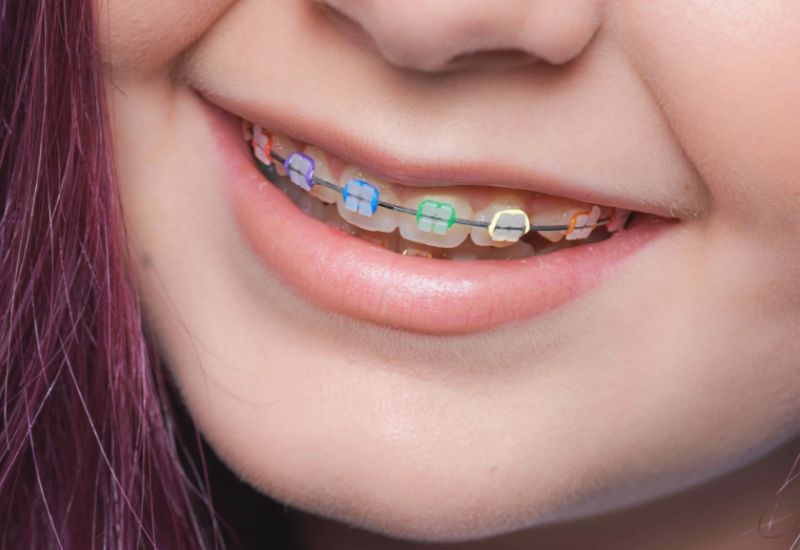
Whether you have traditional metal braces or LightForce 3D Braces, knowing how to care for your braces can help you look after your teeth, gums and orthodontic appliance throughout treatment. From brushing around your brackets to choosing braces-friendly foods and knowing what to do if something breaks, a few everyday habits can make braces easier to manage. Here are seven practical tips from the L&L team. 1. Brush After Every Meal Use a soft-bristle toothbrush and fluoride toothpaste. Angle the brush around each bracket and wire to remove trapped food, and take your time to clean every surface of every tooth. A gentle but thorough brushing technique helps prevent plaque build-up and keeps your gums healthy. 2. Don’t Skip Flossing Daily flossing is especially important when you have braces. Super floss, orthodontic flossers or a water flosser can make it easier to clean around brackets and underneath the wires. Your gums will thank you. Interdental brushes are also great for reaching in between larger gaps and between brackets. 3. Be Mindful of What You Eat Hard, sticky, crunchy or chewy foods can damage your braces. Avoid things like popcorn, nuts, hard lollies and toffees. For firmer foods, like apples, carrots or crusty bread, cut them into bite-sized pieces before eating to avoid bending wires or dislodging brackets. 4. Use Orthodontic Wax for Comfort It’s common for brackets or wires to occasionally irritate the inside of your cheeks or lips, particularly while you’re getting used to your braces. Orthodontic wax can create a temporary barrier over the area that’s causing irritation. Dry the bracket or wire first, then mould a small piece of wax over it. If irritation continues or you have a wire that’s poking or causing discomfort, contact our clinical team for advice. 5. Let Us Know If Something Breaks Broken brackets and damaged or poking wires can happen during braces treatment. If something doesn’t feel right, contact us through the Dental Monitoring app and let us know what’s happened. Depending on the issue and where you are in your treatment, our clinical team can advise what to do next and whether you need an appointment. It’s also important to follow any instructions you’ve been given about elastic wear, Dental Monitoring scans and scheduled appointments, as these all form part of your individual treatment plan. 6. Keep Up with Routine Dental Care Your orthodontic appointments don’t replace your regular dental check-ups. Your dentist continues to look after your general oral health throughout orthodontic treatment, including checking your teeth and gums. Continue attending check-ups and cleans at the intervals recommended by your dentist. 7. Wear a Mouthguard for Sport If you play contact or high-impact sport, wearing an appropriate mouthguard can help protect your teeth and mouth from injury. When you have braces, your mouthguard needs to fit over your brackets and wires while allowing room for your teeth to move throughout treatment. Because your teeth change position, it’s also important to check the fit regularly. L&L Orthodontics stocks NeoMorph mouthguards, which are designed for use during orthodontic treatment. If you’re unsure which type of mouthguard you need, ask our clinical team for advice. Need Help Looking After Your Braces? Getting used to braces takes a little time, and you don’t need to figure everything out on your own. If you’re an L&L patient and you’re unsure about cleaning around your braces, something has broken or your braces don’t feel right, contact our clinical team through Dental Monitoring. For more detailed advice on brushing, flossing and looking after your teeth during treatment, read our Ultimate Guide to Oral Hygiene During Orthodontic Treatment.