
What Happens at Your Braces Removal Appointment? A Guide to Your Deband Day

After months of watching your smile transform, it’s finally time for one of the most exciting milestones in your orthodontic journey: getting your braces off. For many patients, it’s one of the most exciting milestones in their orthodontic journey. Whether you’re a parent preparing your child for the appointment, a teenager counting down the days, or an adult in treatment, it’s natural to wonder exactly what happens during a braces removal appointment. At L&L Orthodontics, we call this appointment a deband. While it’s the end of active treatment, it’s also the beginning of the important retention phase that helps protect your new smile for years to come. Here’s what you can expect. What Is a Deband Appointment? A deband appointment is when your orthodontic braces are carefully removed once your orthodontist is happy that your treatment goals have been achieved. This appointment usually takes around 60 minutes, giving us plenty of time to remove your braces, polish your teeth, fit any retainers that are planned, and explain how to care for your smile moving forward. Does Having Your Braces Removed Hurt? This is one of the most common questions we hear. The good news is that having your braces removed is generally not painful. You may feel some pressure or a gentle squeezing sensation as each bracket is removed, but most patients are surprised by how quick and comfortable the process is. Step 1: Removing the Braces We’ll begin by removing the elastic ties and gently taking out the orthodontic wire. Next, each bracket is carefully removed using specialised orthodontic instruments. The brackets are bonded to your teeth with a dental adhesive, so you may hear a few small cracking or popping sounds as the adhesive releases. This is completely normal and isn’t your tooth breaking. Step 2: Polishing Away the Adhesive Once the brackets are off, there will still be a thin layer of bonding material on your teeth. We’ll carefully polish this away so your teeth feel smooth and clean again. This part of the appointment often takes longer than actually removing the braces because we want to ensure every tooth is thoroughly cleaned. Many patients comment that their teeth feel incredibly smooth afterwards. Your tongue has probably forgotten what your teeth felt like before braces! Step 3: Seeing Your New Smile Now comes everyone’s favourite moment. For the first time, you’ll get to see your smile without braces. We’ll also take your final clinical photographs to document the amazing transformation you’ve achieved. It’s often at this point that patients realise just how much their smile has changed since treatment began. Step 4: Your Retainers Although your braces are off, your orthodontic treatment isn’t quite finished. Your teeth naturally want to settle and can begin moving soon after braces are removed. That’s why retainers are such an important part of protecting your result. Depending on your treatment plan, your orthodontist may recommend: Fixed (bonded) retainers attached behind your front teeth Removable retainers Or a combination of both At the end of your braces removal appointment, we’ll take a 3D scan of your smile to create your custom fit retainers. Our lab will create these on-site and we’ll schedule another appointment (often the same day) to collect these. At your retainer collection appointment, we’ll explain exactly how to wear and care for your new retainers. Will My Teeth Feel Different Afterwards? Yes, and that’s completely normal. For the first few days, your teeth may feel: Very smooth Slightly slippery A little sensitive to cold foods or drinks Strange without the brackets you’re used to These sensations usually settle quickly as your mouth adjusts. Can I Eat Whatever I Want Again? One of the biggest perks of finishing braces treatment is saying goodbye to braces food restrictions. Once your orthodontist confirms everything is complete, you can usually enjoy foods that were previously off the menu, such as popcorn, nuts and crunchy apples. Just remember that if you’re wearing removable retainers, they should always be taken out before eating. Looking After Your Smile After Braces Your new smile is an investment worth protecting. To help keep it looking its best: Wear your retainers exactly as instructed. Brush and floss every day, including around any fixed retainers. Continue seeing your general dentist for regular check-ups and professional cleans. Contact us promptly if your retainer becomes loose, damaged or no longer fits properly. Frequently Asked Questions How long does a braces removal appointment take? Most deband appointments take around 60 minutes, depending on your individual treatment and whether retainers are being fitted. Will my teeth move after braces come off? Teeth naturally have a tendency to move over time. Wearing your retainers as instructed is the best way to help maintain your new smile. Can I whiten my teeth after braces? Many patients choose to whiten their teeth after orthodontic treatment. Your orthodontist can let you know when your teeth are ready and discuss the most appropriate whitening options for you. Do I still need to visit the orthodontist after my braces are removed? Yes. We’ll schedule a review appointment to check your retainers, make sure your teeth are settling well, monitor your result and review your final x-rays. Celebrate Your New Smile Your braces removal appointment marks the end of active treatment, but it’s also the start of enjoying all the benefits of your new smile. From smiling confidently in photos to eating your favourite foods again, it’s a milestone worth celebrating. By wearing your retainers and following your orthodontist’s advice, you’ll give your smile the best chance of staying beautifully aligned for years to come.
How to Clean Your Clear Aligners: The Complete Guide
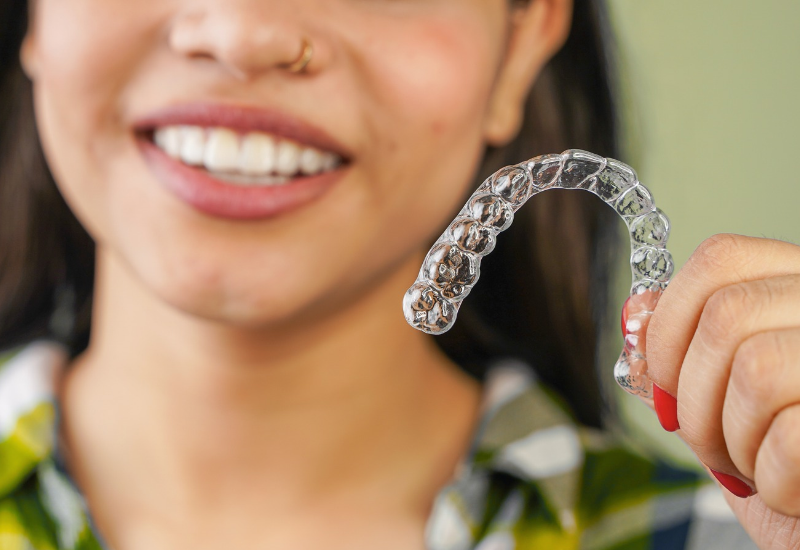
Clear aligners make it easy to straighten your teeth without changing your everyday lifestyle, but like your teeth, they need regular cleaning to stay fresh. Because your aligners sit against your teeth for 20–22 hours a day, they’re exposed to saliva, plaque and bacteria throughout the day. Without proper care, they can become cloudy, develop an unpleasant smell and make it harder to maintain good oral hygiene during treatment. The good news? Keeping your aligners clean only takes a few minutes each day. Here’s the simple routine we recommend to our patients at L&L Orthodontics. Why Is It Important to Clean Your Aligners? Keeping your aligners clean isn’t just about keeping them looking clear. A good cleaning routine helps reduce plaque and bacteria build-up, supports healthy teeth and gums, and keeps your aligners fresh throughout treatment. Clean aligners also feel more comfortable to wear, making it easier to stay consistent with the 20–22 hours of daily wear recommended by your Specialist Orthodontist. Step 1: Rinse Your Aligners Every Time You Take Them Out Every time you remove your aligners for a meal, snack or drink, give them a quick rinse under cool or lukewarm running water. This simple habit helps wash away saliva before it dries onto the aligners and reduces the build-up of plaque throughout the day. Avoid using hot water, as it can warp the plastic and affect how your aligners fit. Step 2: Brush Your Teeth Before Putting Them Back In Think of your aligners as a close-fitting cover for your teeth. If you put them back in after eating without brushing, food particles and plaque can become trapped against your teeth for hours. Whenever possible, brush your teeth before reinserting your aligners. Flossing once a day is just as important for keeping the areas between your teeth clean throughout treatment. Step 3: Give Your Aligners a Gentle Clean Every time you brush your teeth, give your aligners a gentle clean too. Using a separate soft toothbrush and a small amount of clear, mild soap, lightly brush both sides of the aligners before rinsing them thoroughly. Although it might seem like the obvious choice, toothpaste isn’t recommended. Many toothpastes contain abrasive ingredients that can leave tiny scratches on the aligner material, making them appear cloudy over time. Step 4: Deep Clean Your Aligners Your everyday cleaning routine removes most plaque and debris, but it’s worth giving your aligners a deeper clean throughout the week as well. We recommend soaking your aligners in Orthobrite Cleaning Tablets, which are specifically designed for clear aligners, retainers and other removable orthodontic appliances. Simply dissolve half a tablet in lukewarm water, soak your aligners for around 15 minutes, then rinse thoroughly before wearing them again. Orthobrite Cleaning Tablets are available from our Melbourne CBD and Templestowe clinics. Step 5: Make Cleaning Even Easier with a Sonic Cleaner If you’re looking for an easier way to keep your aligners clean, a sonic cleaner can be a great addition to your daily routine. The GO2 Dentagenie Sonic Cleaner uses ultrasonic vibrations to clean removable appliances such as clear aligners, retainers and mouthguards. Many patients enjoy the convenience of simply placing their aligners into the cleaner while they brush their teeth. For a deeper clean, add half a tablet of Orthobrite Cleaning Tablets. It’s a simple way to make aligner care part of your everyday routine. Step 6: Only Wear Your Aligners with Water One of the easiest ways to keep your aligners clear is to remove them before eating or drinking anything other than cool water. Coffee, tea, red wine and coloured drinks can stain your aligners, while hot drinks may affect the aligner material. After eating or drinking, brush your teeth where possible before putting your aligners back in. Step 7: Keep Them Safe in Their Case It happens more often than you’d think. Aligners wrapped in a napkin are accidentally thrown away, left on café tables or discovered by a curious family dog. Whenever your aligners aren’t in your mouth, store them in their protective case. It helps keep them clean, reduces the chance of damage and makes them much easier to find when you need them. Common Questions About Cleaning Clear Aligners Can I clean my aligners with toothpaste? No. Toothpaste can scratch the surface of your aligners, making them appear cloudy. A soft toothbrush with mild soap and cool water is a better option. How often should I clean my aligners? We recommend rinsing them every time you remove them and cleaning them thoroughly each time you brush your teeth. Can I use hot water? No. Hot water can distort the aligner material and affect how your aligners fit. How do I remove stains from my aligners? Regular cleaning and soaking your aligners with Orthobrite Cleaning Tablets can help remove surface staining. Removing your aligners before eating or drinking anything other than water is the best way to prevent stains in the first place. Do I need a sonic cleaner? Not necessarily, but many patients find a sonic cleaner makes keeping their aligners clean quicker and more convenient. Looking After Your Aligners Means Looking After Your Smile Looking after your aligners doesn’t need to be complicated. A few simple habits each day can help keep your aligners fresh while supporting healthy teeth and gums throughout treatment. If you ever have questions about caring for your aligners or you’re looking for product recommendations, our team is always happy to help. Thinking About Clear Aligners? If you’re considering clear aligners for yourself or your teenager, book a consultation with one of our Specialist Orthodontists at our Melbourne CBD or Templestowe clinics. We’ll assess your smile, answer your questions and discuss whether clear aligners may be suitable for you.
The Ultimate Guide to Braces
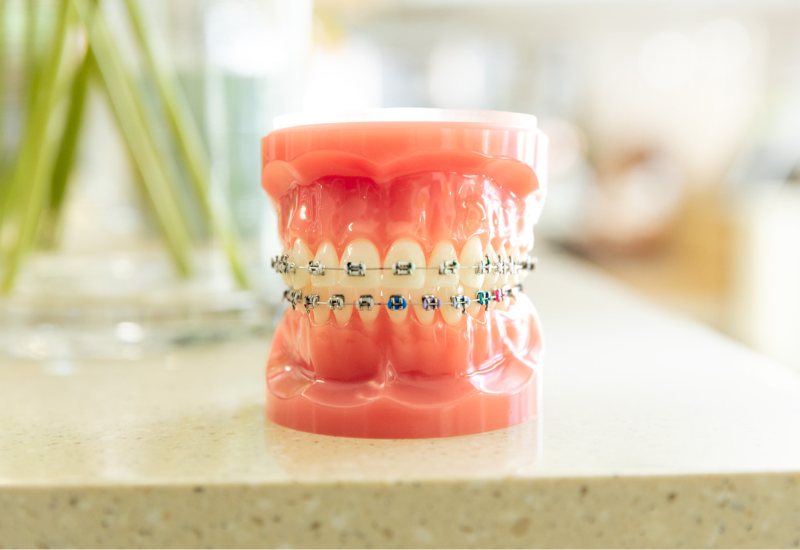
Braces are one of the most common orthodontic treatments, but if you’re just starting your journey, it’s normal to have questions. How do braces work? Are they painful? How long does treatment take? What foods can you eat? What happens when they come off? Whether you’re a parent researching treatment for your child, a teenager preparing for braces or an adult considering orthodontic treatment, this guide brings together everything you need to know in one place. At L&L Orthodontics, we believe that understanding your treatment helps you feel more confident every step of the way. This guide covers the entire braces journey, from your first consultation through to life after braces, with links to more detailed articles where you can explore each topic further. What Are Braces? Braces are orthodontic appliances that gradually move your teeth into healthier, better-aligned positions over time. They work by applying gentle, controlled forces to the teeth. As the teeth move, the surrounding bone naturally remodels to support their new position. Braces can be used to address many orthodontic concerns, including: Crowded teeth Gaps between teeth Crooked teeth Bite problems, including overbites, underbites, crossbites and open bites Teeth that have erupted in the wrong position Jaw development concerns in growing children Every smile is different, so the most appropriate treatment depends on your individual needs. A consultation with a Specialist Orthodontist is required to determine which treatment options may be suitable for you. Who Can Get Braces? Braces aren’t just for teenagers. Orthodontic treatment can be appropriate for children, teenagers and adults depending on their individual orthodontic needs. Children The Australian Society of Orthodontists recommends children have their first orthodontic assessment around the age of 7. An early assessment doesn’t necessarily mean your child will need braces straight away. In many cases, it simply allows your orthodontist to monitor growth and identify any concerns while the jaws are still developing. Related guide: When Should My Child First See an Orthodontist? Teenagers The teenage years are the most common time for orthodontic treatment because most adult teeth have erupted while the jaws are still growing. This is usually age 10, 11 or 12 years. Adults It’s never too late to straighten your teeth. Many adults choose orthodontic treatment to improve the alignment of their teeth or address bite concerns. Adults often have different priorities, such as treatment aesthetics, convenience and fitting appointments around work and family life. Types of Braces There are a few different types of braces available. The most appropriate option depends on your clinical needs, lifestyle and treatment goals. Metal Braces Modern metal braces are smaller, smoother and more comfortable than many people expect. At L&L Orthodontics, we offer customised traditional metal braces as well as LightForce metal braces, which are individually designed to fit the unique shape of each tooth. Related guide: Metal Braces Explained: What Are They and How Do They Work LightForce Braces LightForce braces are fully customised metal braces designed using digital technology. Rather than using standard, one-size-fits-all brackets, each LightForce bracket is 3D printed to match the unique shape of your individual teeth. This personalised approach allows your Specialist Orthodontist to plan treatment digitally before your braces are fitted. L&L Orthodontics was one of the first practices in Australia to offer LightForce technology, giving patients access to customised orthodontic treatment designed around their individual smile. Related guide: What Are LightForce Braces? LightBracket Metal Braces LightBracket Metal braces are the latest generation of customised metal braces from LightForce. Like the original LightForce system, each bracket is individually designed to fit your teeth. LightBracket Metal braces feature a refined, low-profile design with polished surfaces for improved comfort while maintaining the benefits of fully customised treatment planning. Your Specialist Orthodontist will determine whether LightBracket Metal braces are an appropriate option for your treatment. Clear Aligners Some patients may be suitable for clear aligners rather than fixed braces. Following a clinical assessment, your Specialist Orthodontist will discuss the treatment options that may be appropriate for your individual circumstances. Related guide: Braces vs Clear Aligners (Coming soon) What Happens at Your First Orthodontic Consultation? Your first appointment is about understanding your smile and discussing your treatment options. At L&L Orthodontics, your consultation typically includes: A discussion about your concerns and smile goals Clinical examination Digital photographs X-rays A digital scan of your teeth Discussion of suitable treatment options Estimated treatment timeline Fees and payment options Your orthodontist will explain their findings and answer any questions so you can make an informed decision. Related guide: What Happens at Your First Orthodontic Consultation? How Are Braces Put On? Having braces fitted (sometimes called a bonding appointment) is a comfortable, carefully planned procedure. Your appointment generally involves: Cleaning and preparing your teeth Carefully placing each bracket Attaching the orthodontic wire Checking your bite Providing instructions for the care of your braces You’ll also receive advice about cleaning your braces, eating with braces and what to expect over the following few days. Related guide: What Happens During a Braces Bonding Appointment? Do Braces Hurt? One of the most common questions we hear is whether braces are painful. Most patients experience some pressure or tenderness for a few days after braces are fitted and after adjustment appointments. This is a normal response as your teeth begin moving. The sensation is usually temporary and settles within a few days. Related guide: Do Braces Hurt? What to Expect (Coming soon) Living with Braces After the first week, most people quickly adapt to life with braces. Eating with Braces Some foods are easier to eat than others, particularly during the first few days. It’s also important to avoid foods that may damage your braces. Examples include: Hard lollies Ice Popcorn kernels Whole apples (unless cut up) Chewy lollies Related guide: What Can You Eat with Braces? Brushing and Cleaning Keeping your teeth clean during orthodontic treatment is one of the most important parts of achieving a healthy result. Daily oral hygiene should include: Brushing carefully around brackets Cleaning between your
Everything You Need to Know About Wearing Elastics with Braces
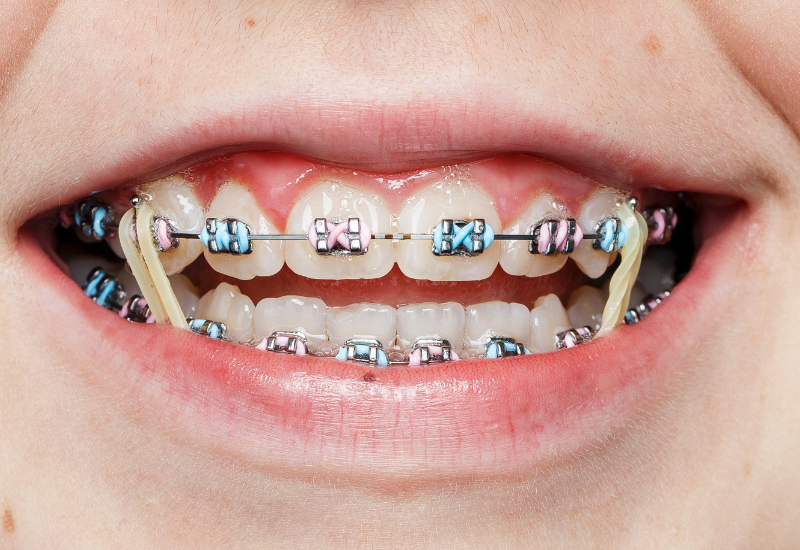
When you begin braces treatment, you may be asked to wear elastics (also called rubber bands). Although they’re small, they play an important role in many braces treatment plans by helping guide how your upper and lower teeth fit together. At L&L Orthodontics, with clinics in Melbourne CBD and Templestowe, our Specialist Orthodontists use elastics to guide your bite into the planned position as your treatment progresses. Here’s everything you need to know. Why Do I Need Elastics with Braces? Elastics (also known as rubber bands) apply targeted pressure to help align the upper and lower teeth. While braces straighten each individual tooth, elastics help correct the bite – how your top and bottom teeth meet. They can help with: Overbites Underbites Crossbites Improving overall jaw alignment They work by connecting your braces from one point to another, encouraging your teeth to move in a specific direction. Because they constantly apply gentle pressure, consistency is key. When Will I Start Wearing Elastics? Not everyone starts elastics when their braces are fitted. Your Specialist Orthodontist will let you know when your teeth are ready. Some patients will not need elastics at all. How Do Elastics Work with Braces? Think of elastics as the “directional tool” of your braces treatment. Your Specialist Orthodontist places hooks on selected brackets, allowing your elastics to control the movement of your teeth and jaw. When worn as instructed, these rubber bands help shift your bite into a more balanced, comfortable position. Most patients will wear elastics on both sides of the mouth, although your configuration may vary depending on your personalised treatment plan. Your Elastics Instructions To get the best results from elastics, follow these simple but important guidelines: Keep Elastics In Only remove your elastics when brushing your teeth. Try to eat with them in as well,this helps maintain continuous pressure and ensures your treatment stays on track. Find more tips on eating with braces in our guide to braces-friendly foods. Change Elastics Regularly Elastics stretch out over time. Replace them at leastonce a day, ideally after brushing, to keep the right amount of tension. Replace Both Sides Ifyou’re wearing elastics on both sides and one snaps, replace both sides with new elastics. This keeps your bite moving evenly. Running Low? We’ve Got You Ifyou’re running out of elastics, please contact us. We keep your size on file and can mail a pack to you or you’re welcome to stop by our Melbourne CBD or Templestowe clinics to pick more up. What Happens If I Don’t Wear My Elastics? Elastics are one of the simplest parts of your braces treatment, but they make a significant difference. Consistent wear helps your treatment progress as planned, can help improve your bite, and can prevent unnecessary delays. Elastics only work when they’re worn as instructed, so staying consistent is the key to success. Frequently Asked Questions About Elastics for Braces Do I have to wear elastics all the time? Your Specialist Orthodontist will tell you exactly how long to wear your elastics each day. Many patients are asked to wear them full-time, though some people may only need to wear them at night. Following your orthodontist’s instructions closely is important for keeping your treatment on track. What happens if I forget to wear my elastics? Missing elastics occasionally can happen but wearing them inconsistently may slow tooth movement and extend your treatment time. If you forget, simply put in a new set as soon as you remember and continue following your orthodontist’s instructions. How often should I change my elastics? Elastics lose their strength as they stretch, so they should be replaced regularly. Your Specialist Orthodontist will let you know how often to change them, but this is typically once a day. Can I eat with my elastics in? Yes. Try to keep them in when eating to maintain continuous pressure and keep your treatment progressing as planned. Will wearing elastics hurt? It’s common to feel some tenderness when you first start wearing elastics or after changing the way they’re worn. This is a sign that they’re applying gentle pressure to move your teeth and jaw into the planned position. Any discomfort is usually temporary. What should I do if I run out of elastics? Contact us as soon as possible. We’ll arrange for you to collect more elastics so you can continue wearing them as instructed. What if one of my elastic hooks breaks? Don’t try to fix it yourself. Contact our team so we can assess the issue and advise you on the next steps. Can I wear two elastics to make my teeth move faster? No. Always wear your elastics exactly as instructed. Wearing extra elastics won’t speed up treatment and may affect how your teeth move. Why are elastics so important during braces treatment? Braces move individual teeth, while elastics help guide how your upper and lower teeth fit together. Wearing them as instructed is an important part of achieving your planned bite and tooth alignment. How long will I need to wear elastics? Every treatment plan is different. Some patients wear elastics for only a few months, while others may need them for longer. Your Specialist Orthodontist will monitor your progress at each appointment and let you know when they’re no longer needed. Summary Elastics are an important part of many braces treatment plans, helping guide how your upper and lower teeth fit together as your treatment progresses. Wearing them as instructed by your Specialist Orthodontist can help keep your treatment on track. If you have any questions or need more elastics, our team at L&L Orthodontics is always happy to help. Need Help with Your Elastics? Whether you’ve just started wearing elastics or have questions about your treatment, our team is here to help. If you’ve run out of elastics, broken an elastic hook or aren’t sure how to wear them correctly, please give us a call or message us through the Dental Monitoring app. Thinking about braces? Book a consultation with one of our Specialist Orthodontists in Melbourne or Templestowe to learn about your treatment options and whether braces may be suitable for you.
Getting Braces? What to Know Before Your Appointment
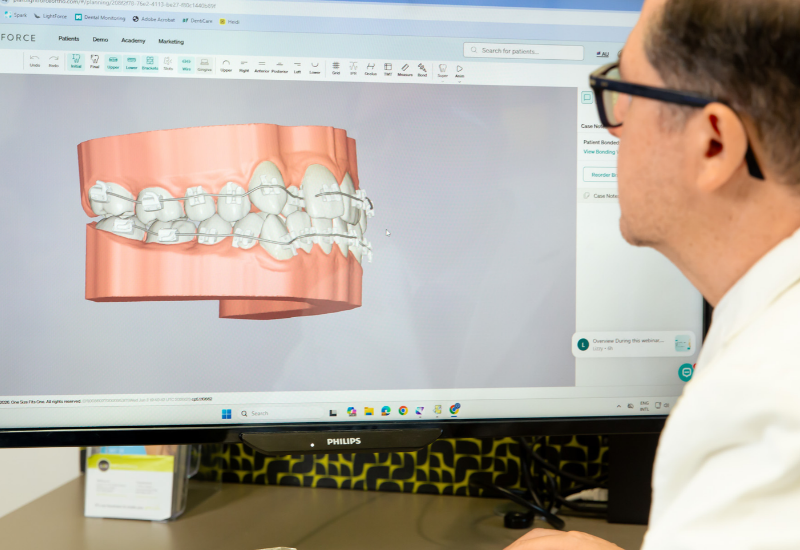
Getting braces is an exciting step, but it can also come with plenty of questions. What will the appointment involve? Will it feel uncomfortable? What should you eat afterwards? And how long will it take to get used to them? Whether it’s your child, your teen or you starting treatment, knowing what to expect can make the whole experience feel a lot easier. From what happens at your braces appointment to what those first few days may feel like, here’s what you need to know before getting started. From Consultation to Braces Your braces journey starts with an initial consultation, where one of our experienced Specialist Orthodontists will assess your teeth, bite and orthodontic needs. From there, we will recommend a treatment approach based on your individual needs and explain what your braces are designed to address, how treatment will work and what you can expect along the way. You will also have the opportunity to ask questions and make sure you feel comfortable with the treatment plan before your braces are fitted. If you are preparing for your first visit, our blog, What to Expect at Your First Orthodontic Consultation at L&L Orthodontics, provides a helpful overview. What Happens During Your Braces Bonding Appointment? Once your treatment plan is confirmed, it is time to fit your braces. During your bonding appointment, your teeth will first be prepared so the brackets can be carefully attached to each tooth. Once the brackets are in place, an orthodontic wire is fitted to begin guiding your teeth according to your treatment plan. The exact process may vary depending on the type of braces you are having, and your Specialist Orthodontist and clinical team will talk you through what is happening as you go. Before you leave, we will show you how to care for your braces, clean around your brackets and look after your teeth throughout treatment. Does Getting Braces Hurt? The fitting process itself should not be painful. Getting braces is a straightforward procedure where each bracket is carefully bonded to the tooth using dental adhesive. Once your braces begin applying gentle, consistent pressure, it is normal for your teeth to feel a little tender or sensitive for a few days while they adjust. For most people, the initial tenderness is temporary. You may notice that your teeth feel sensitive when biting or chewing, particularly during the first day or two. This is a normal part of your mouth adjusting to the braces. You may also notice that the brackets feel unfamiliar against the inside of your lips and cheeks at first. As you become accustomed to your braces, this usually becomes much less noticeable. What Are the First Few Days With Braces Like? The first few days are often about getting used to having something new in your mouth. You may experience: Mild tenderness when biting or chewing A feeling of pressure around your teeth Some sensitivity when eating Minor irritation to your lips or cheeks as they adjust to the brackets A little extra awareness of your braces when speaking or smiling Everyone responds differently, so some people may experience very little discomfort, while others may need a few days to adjust. The good news is that this initial period is temporary. As your mouth becomes accustomed to your braces, they should start to feel much more natural. Tips for Managing Initial Tenderness It’s normal for your teeth to feel tender for a few days after getting braces. This happens as your teeth begin responding to the gentle pressure used to guide them into their new positions. A few simple strategies can make this adjustment period more comfortable: Choose softer foods: Soups, pasta, yoghurt, eggs and smoothies can be easier to eat while your teeth are tender. For more ideas, read our guide to braces-safe foods, including foods to enjoy and those best avoided during treatment. Avoid hard, sticky or crunchy foods: These can put additional pressure on tender teeth and may damage or dislodge your braces. Use orthodontic wax, if needed: If a bracket or wire is rubbing against your cheeks or lips, orthodontic wax can provide temporary relief while your mouth adjusts. Consider over-the-counter pain relief: If your teeth feel tender after getting braces or following an adjustment, an over-the-counter pain reliever such as paracetamol or ibuprofen may help for a day or two. Always follow the directions on the label and check that the medicine is suitable for you. If you’re unsure, speak with your pharmacist, doctor or orthodontic team. Keep your teeth clean: Continue brushing twice a day with fluoride toothpaste and cleaning between your teeth daily. Good oral hygiene is particularly important during orthodontic treatment because braces can create additional areas where plaque can collect. Give yourself some breathing room: If possible, avoid scheduling a particularly busy day immediately after having your braces fitted. Giving yourself time to adjust can make the first day or two feel easier. Some tenderness is expected, but it should gradually improve. If you experience significant or persistent discomfort, or if something feels unusual, contact our team for advice. What About Sports, School or Work? In most cases, braces do not mean you need to stop your usual activities. Children and teenagers can continue attending school and participating in their regular activities. Adults can generally continue working as usual. If you play contact or high-impact sports, speak with your Specialist Orthodontist about suitable mouth protection. A mouthguard can help protect your teeth and braces during sports. You may also notice some temporary changes when speaking, particularly when you first have your braces fitted. Most people adapt as they become more familiar with their appliances. When Should I Contact My Specialist Orthodontist? Some initial tenderness is expected. However, if you experience significant or persistent discomfort, or if a bracket or wire becomes damaged and is causing a problem, send us a message through the Dental Monitoring app for advice. A loose bracket, broken wire or other orthodontic issue does not necessarily mean your treatment has been affected, but your orthodontic team should know about it so they can advise you on what to do next. If you experience a dental emergency or have concerns that extend beyond normal orthodontic discomfort, seek appropriate professional care. Starting Braces Is the Beginning of Your Treatment Journey Getting braces is a significant step, but knowing what to expect can make those first few days much easier. At L&L Orthodontics, our Specialist Orthodontists have been providing
Affordable Braces Payment Plans: How to Budget for Orthodontic Treatment

For many families and adults considering orthodontic treatment, cost is one of the biggest questions. Whether you’re thinking about braces for your child or clear aligners for yourself, it’s natural to wonder how you’ll fit treatment into your budget. The good news is that straightening your smile doesn’t always mean paying everything upfront. At L&L Orthodontics, we offer flexible payment options designed to make specialist orthodontic treatment more accessible, without compromising on the quality of your care. What Do Braces and Clear Aligners Cost? Every smile is different, so the cost of orthodontic treatment depends on the complexity of your teeth and bite, as well as the type of treatment that’s recommended. At your consultation, your Specialist Orthodontist and Treatment Coordinator will provide a personalised treatment plan that outlines: Your recommended treatment Estimated treatment duration Total treatment fee Available payment options Any applicable health insurance rebates We’ll explain everything clearly, answer your questions, and ensure you have all the information you need before deciding whether to proceed. Want to know what your first appointment involves? Read our complete guide to what happens at an orthodontic consultation. Affordable Braces Payment Plans Some patients choose to pay upfront and take advantage of our upfront payment discount, while others prefer to spread the cost over time with flexible payment options. At L&L Orthodontics, we offer flexible interest-free payment plans through Denticare, allowing eligible patients to make regular repayments throughout treatment. These plans can help make orthodontic treatment easier to manage while allowing you or your child to begin treatment sooner. Our team will explain your options during your consultation and help you choose a payment arrangement that suits your circumstances. Can Health Insurance Help Cover Orthodontic Treatment? If you have extras cover that includes orthodontics, your private health insurance may contribute towards the cost of treatment. The amount you’ll receive depends on your individual policy, including: Whether orthodontics is included Your lifetime orthodontic limit Any waiting periods How much of your limit you’ve already used If you’re unsure about your cover, our team can help explain how health insurance works for orthodontic treatment and estimate any rebates available before you start. If you’re interested in learning more about claiming orthodontics on health insurance, read our guide explaining how it works and the different codes you’ll need for your insurer. Simple Ways to Budget for Orthodontic Treatment Planning ahead can make orthodontic treatment feel much more achievable. Some practical ways to budget include: Choose a payment plan Breaking the cost into smaller regular repayments can often be easier than paying one large amount upfront. Check your health insurance If you have orthodontic cover, understanding your available benefits can reduce your out-of-pocket costs. Plan ahead for your family Many parents know orthodontic treatment may be needed as their children grow. Booking an orthodontic assessment around age seven allows you to understand future treatment needs early and gives you more time to plan financially if treatment isn’t required immediately. Ask questions Your consultation is the perfect opportunity to discuss costs, payment options and timing. Our team is always happy to answer your questions so you can make an informed decision. Why Investing in Your Smile Matters Orthodontic treatment is about much more than creating straighter teeth. Correcting bite problems and aligning your teeth can make them easier to clean, improve long-term oral health and help create a healthier, more functional smile. For many patients, treatment also provides a lasting boost in confidence. Because orthodontic treatment delivers benefits that can last for decades, many patients view it as a long-term investment in their health and wellbeing. Why Choose L&L Orthodontics? Choosing an orthodontic provider isn’t just about finding affordable braces payment plans. It’s also about receiving specialist care throughout your treatment. At L&L Orthodontics you’ll receive: Treatment planned and overseen by experienced Specialist Orthodontists A personalised treatment plan tailored to your smile Flexible payment options Transparent fees with no surprises Ongoing support from a highly trained and progressive orthodontic team Our goal is to make high-quality orthodontic care as accessible and stress-free as possible. Ready to Explore Your Options? If you’ve been putting off treatment because of cost, we’re here to help. Book a consultation with L&L Orthodontics to receive a personalised assessment, discuss your treatment options and learn more about our affordable braces payment plans. We’ll help you understand your fees, available payment options and any health insurance benefits so you can move forward with confidence. Frequently Asked Questions Are there interest-free braces payment plans? Yes. L&L Orthodontics offers flexible interest-free payment plans through Denticare for eligible patients, allowing treatment costs to be spread over time. Can I use private health insurance for braces? If your extras cover includes orthodontics, you may be able to claim part of your treatment costs. The amount depends on your policy and available orthodontic benefits. Do I have to pay for braces upfront? No. Many patients choose a payment plan instead of paying the full treatment fee at the start of treatment. If you do decide to pay upfront, often a discount is provided. How do I find out how much my treatment will cost? The best way is to book a consultation. Your Specialist Orthodontist will assess your smile and provide a personalised treatment plan, including your treatment fees, payment options and any estimated health insurance rebates. If you’d like a general overview first, read our guide to the cost of orthodontic treatment.
Do I Need a Dentist Referral to See an Orthodontist?

It’s one of the most common questions patients ask when considering braces or clear aligners: “Do I need a dentist referral before seeing a Specialist Orthodontist?” The simple answer is no – in Melbourne, you can book directly with a Specialist Orthodontist without a referral. Here’s what you need to know before getting started. You Can Book Directly with a Specialist Orthodontist You don’t need a referral from your dentist to see a Specialist Orthodontist. If you have concerns about your teeth, bite or your child’s smile development, you can book an orthodontic assessment directly. You might consider seeing an orthodontist if you: Are thinking about braces or clear aligners Have crooked, crowded or overlapping teeth Have concerns about your bite or jaw alignment Want an early orthodontic assessment for your child from around age 7 Would like a second opinion about orthodontic treatment At L&L Orthodontics, patients can book directly with a Specialist Orthodontist at our Melbourne CBD or Templestowe clinic. Your orthodontist can assess your teeth, bite and jaw development and explain whether treatment may be recommended, either now or in the future. Why Dentists Sometimes Provide Referrals Although referrals aren’t necessary, they’re still helpful. General dentists often identify early signs of orthodontic concerns during routine check-ups, such as: Crowding or spacing issues Bite problems (overbite, underbite, crossbite) Jaw growth concerns Erupting permanent teeth needing guidance Dentists and Specialist Orthodontists work collaboratively, ensuring both oral health and tooth alignment are managed together. In some cases, orthodontics is needed as part of a full treatment plan so a referral by a dentist can be helpful to optimise the results. When Should Children Have Their First Orthodontic Check? Many parents assume orthodontic treatment begins in the teenage years, but an orthodontic assessment can be helpful much earlier. The Australian Society of Orthodontists recommends that children have their first orthodontic assessment around age 7. At this stage, a mix of baby and adult teeth is usually present, allowing an orthodontist to assess how the teeth, bite and jaws are developing. If an orthodontic concern is identified, early orthodontic treatment may be recommended to: Guide jaw growth and development Create space for developing adult teeth Help reduce the risk of trauma to prominent front teeth Address certain bite or alignment concerns at an earlier stage Importantly, an early orthodontic assessment does not necessarily mean early treatment. For many children, the best approach is simply to monitor their growth and development and recommend treatment at the most appropriate time. What About Teens and Adults? Orthodontic treatment isn’t just for children. Teenagers and adults can benefit from an orthodontic assessment at any age. Teens and adults may choose to see an orthodontist to: Straighten crooked or crowded teeth Address bite or jaw alignment concerns Assess changes in tooth alignment over time Explore treatment options such as braces or clear aligners Modern orthodontic treatment offers a range of options to suit different clinical needs, lifestyles and preferences. Advances in digital treatment planning and orthodontic technology also allow Specialist Orthodontists to plan tooth movements with a high level of precision. Whether you’re considering treatment for the first time or revisiting an orthodontic concern you’ve had for years, a consultation is the best place to understand your options. Why See a Specialist Orthodontist? A Specialist Orthodontist is a registered dentist who has completed additional 3 years postgraduate university training in orthodontics, including the diagnosis and treatment of tooth and jaw alignment concerns. For over 25 years, L&L Orthodontics has provided specialist orthodontic care for children, teens and adults. Our Specialist Orthodontists combine their clinical training and experience with modern orthodontic technology and evidence-based approaches to plan treatment according to each patient’s individual orthodontic needs. What Happens at Your First L&L Orthodontics Consultation? Whether you book with or without a referral, your first orthodontic consultation is an opportunity to understand your teeth, bite and treatment options. During your consultation, you can expect: A discussion about your concerns, goals and what you would like to achieve A detailed assessment of your teeth, bite, jaw alignment and oral health High-resolution photographs of your teeth and face Diagnostic X-rays to assess your teeth, jaws and surrounding structures Personalised treatment recommendations based on your individual needs Clear guidance on treatment timing, costs and next steps By the end of your consultation, you’ll have a clearer understanding of your orthodontic needs, whether treatment is recommended and what your options may be. Want to know more before your appointment? Read our guide to what happens at your first orthodontic consultation for a step-by-step look at what to expect. The Bottom Line You don’t need a dentist referral to see a Specialist Orthodontist. Referrals are helpful but optional. Children aged 7+, teens, and adults can book directly. Early assessments help identify the right timing for treatment. Treatment Starts With Personalised Advice If you’re wondering whether orthodontic treatment could benefit you or your child, a consultation is the easiest place to start. L&L Orthodontics welcomes patients across Melbourne and Templestowe for personalised assessments tailored to every stage of life. Book your consultation today. No dentist referral is required, so you can speak directly with a Specialist Orthodontist about your concerns and treatment options.
Is There a Best Age for Orthodontic Treatment? A Guide for Children, Teens and Adults

If you’re wondering whether you’re too young, too old or simply missed the “right time” for orthodontic treatment, you’re not alone. One of the most common questions we hear at L&L Orthodontics is: “Am I the right age for braces or clear aligners?” The good news is that orthodontic treatment isn’t limited to children or teenagers. Patients of all ages may benefit from orthodontic care, provided their teeth, gums and overall oral health are suitable for treatment. At L&L Orthodontics, we care for patients ranging from young children having their first orthodontic assessment through to adults and seniors seeking treatment later in life. While the timing and type of treatment vary from person to person, every treatment plan begins with a comprehensive assessment by a Specialist Orthodontist. Is There a Best Age for Orthodontic Treatment? There isn’t one “perfect” age for orthodontic treatment. Instead, the right time depends on factors such as: How your teeth are developing Your bite Jaw growth Your overall oral health The orthodontic concerns being addressed Some children benefit from early intervention, while others won’t require treatment until their teenage years. Many adults also begin orthodontic treatment later in life, whether to address long-standing concerns or because their teeth have shifted over time. The best way to determine the right timing is through an individual assessment with a Specialist Orthodontist. When Should My Child First See an Orthodontist? The Australian Society of Orthodontists recommends children have their first orthodontic assessment around the age of seven. At this stage, your child still has a mix of baby and adult teeth, allowing a Specialist Orthodontist to monitor how their teeth and jaws are developing. An early assessment doesn’t necessarily mean your child will need orthodontic treatment straight away. In many cases, we’ll simply continue monitoring their growth until the right time for treatment. However, identifying certain concerns early can allow treatment to begin when it’s likely to be most beneficial. Why Might Early Orthodontic Treatment Be Recommended? Some children benefit from what’s often called early intervention or Phase 1 treatment. This may be recommended to help guide jaw development or manage specific orthodontic concerns while a child is still growing. Depending on your child’s needs, treatment may involve: Palatal expanders Partial or interceptive braces Invisalign First or Spark Junior clear aligners Space maintainers Ongoing growth monitoring Not every child requires early treatment. Your Specialist Orthodontist will recommend it only if it’s clinically appropriate. Wondering whether your child may benefit from an early orthodontic assessment? Learn about the signs to look for in our guide to when your child should first see an orthodontist. Why Are the Teenage Years a Common Time for Braces? For many patients, orthodontic treatment begins during the teenage years. By this stage, most permanent teeth have erupted, while the jaws are often still developing. This combination makes adolescence a common time to address tooth alignment and bite concerns. At L&L Orthodontics, teenagers may be suitable for several treatment options, including: LightForce™ custom 3D-printed braces Metal braces/ceramic braces Clear aligners (where appropriate) Your Specialist Orthodontist will recommend the most suitable option based on your individual needs and treatment goals when you attend your consultation at one of our clinics in Melbourne and Templestowe. Can Adults Have Orthodontic Treatment? Absolutely. More adults than ever are choosing orthodontic treatment, and many of our patients begin treatment well into adulthood. Common reasons adults seek orthodontic treatment include: Crowded or crooked teeth Teeth that have shifted after previous braces Bite concerns Preparing for restorative dental treatment Improving the ability to clean between teeth Age alone doesn’t determine whether treatment is appropriate. Instead, your Specialist Orthodontist will assess your teeth, gums and supporting bone before recommending a treatment plan. Does Orthodontic Treatment Take Longer for Adults? Not necessarily. Treatment time depends on many factors, including: The complexity of your case Your oral health The type of treatment How consistently treatment instructions are followed Some adults complete treatment in a similar timeframe to teenagers, while others may have shorter or longer treatment depending on the complexity of their case and the tooth movements required. Your Specialist Orthodontist will discuss your expected treatment timeline during your consultation. Can Seniors Have Braces or Clear Aligners? Yes. There is no upper age limit for orthodontic treatment. Many people in their 50s, 60s, 70s and beyond choose orthodontic treatment for a variety of reasons, including: Teeth that have shifted over time Preparing for crowns, bridges or dental implants Improving the way their teeth fit together Making crowded teeth easier to clean Older adults may have additional considerations, such as gum health, bone support or existing dental work. These factors don’t automatically prevent treatment, but they do mean every treatment plan should be carefully tailored following a clinical assessment by a Specialist Orthodontist. Am I Too Old for Braces? No. There is no upper age limit for orthodontic treatment. Suitability depends on your teeth, gums and overall oral health rather than your age. Whether you’re seven or seventy-seven, the first step is always a consultation with a Specialist Orthodontist to determine whether treatment may be appropriate for you. Frequently Asked Questions What is the best age for braces? There isn’t one ideal age. The best time depends on your teeth, bite and stage of development. Many patients begin treatment as teenagers, while others start as adults. When should my child first see an orthodontist? Children are generally recommended to have their first orthodontic assessment around the age of seven, even if treatment isn’t expected immediately. Does every seven-year-old need braces? No. An early assessment doesn’t mean treatment is required straight away. Many children simply have their growth monitored until the appropriate time. Can adults get braces? Yes. Many adults choose orthodontic treatment to address crowding, bite concerns or teeth that have shifted over time. Can you have braces in your 60s or 70s? Yes. There is no upper age limit for orthodontic treatment. Suitability depends on your oral health and individual circumstances. Does orthodontic treatment take longer for adults? Not always. Treatment time varies depending on the complexity of the case, oral health and the type of treatment. Are clear aligners only for adults? No. Clear aligners aren’t just for adults. Depending on their individual needs, some teenagers and younger children may also be suitable for clear aligner treatment. Invisalign First is specifically designed for younger patients with developing teeth and jaws. Following an assessment, your Specialist Orthodontist will recommend the most appropriate treatment option for your child. Orthodontic Treatment Is About Timing, Not Age Orthodontic treatment isn’t defined by your age. Whether you’re bringing your child for their first orthodontic assessment or considering treatment for yourself later in life, the right time depends