
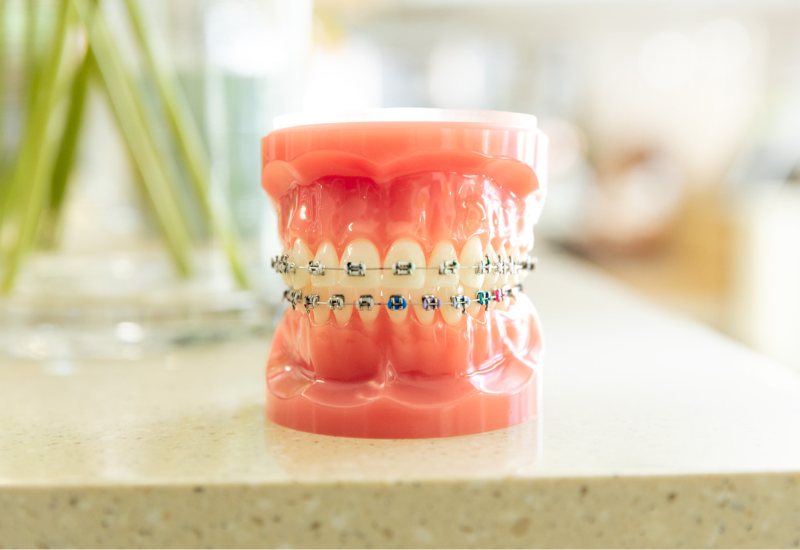
Braces are one of the most common orthodontic treatments, but if you’re just starting your journey, it’s normal to have questions.
How do braces work? Are they painful? How long does treatment take? What foods can you eat? What happens when they come off?
Whether you’re a parent researching treatment for your child, a teenager preparing for braces or an adult considering orthodontic treatment, this guide brings together everything you need to know in one place.
At L&L Orthodontics, we believe that understanding your treatment helps you feel more confident every step of the way. This guide covers the entire braces journey, from your first consultation through to life after braces, with links to more detailed articles where you can explore each topic further.
What Are Braces?
Braces are orthodontic appliances that gradually move your teeth into healthier, better-aligned positions over time.
They work by applying gentle, controlled forces to the teeth. As the teeth move, the surrounding bone naturally remodels to support their new position.
Braces can be used to address many orthodontic concerns, including:
- Crowded teeth
- Gaps between teeth
- Crooked teeth
- Bite problems, including overbites, underbites, crossbites and open bites
- Teeth that have erupted in the wrong position
- Jaw development concerns in growing children
Every smile is different, so the most appropriate treatment depends on your individual needs. A consultation with a Specialist Orthodontist is required to determine which treatment options may be suitable for you.
Who Can Get Braces?
Braces aren’t just for teenagers.
Orthodontic treatment can be appropriate for children, teenagers and adults depending on their individual orthodontic needs.
Children
The Australian Society of Orthodontists recommends children have their first orthodontic assessment around the age of 7.
An early assessment doesn’t necessarily mean your child will need braces straight away. In many cases, it simply allows your orthodontist to monitor growth and identify any concerns while the jaws are still developing.
Related guide: When Should My Child First See an Orthodontist?
Teenagers
The teenage years are the most common time for orthodontic treatment because most adult teeth have erupted while the jaws are still growing. This is usually age 10, 11 or 12 years.
Adults
It’s never too late to straighten your teeth.
Many adults choose orthodontic treatment to improve the alignment of their teeth or address bite concerns. Adults often have different priorities, such as treatment aesthetics, convenience and fitting appointments around work and family life.
Types of Braces
There are a few different types of braces available.
The most appropriate option depends on your clinical needs, lifestyle and treatment goals.
Metal Braces
Modern metal braces are smaller, smoother and more comfortable than many people expect.
At L&L Orthodontics, we offer customised traditional metal braces as well as LightForce metal braces, which are individually designed to fit the unique shape of each tooth.
Related guide: Metal Braces Explained: What Are They and How Do They Work
LightForce Braces
LightForce braces are fully customised metal braces designed using digital technology.
Rather than using standard, one-size-fits-all brackets, each LightForce bracket is 3D printed to match the unique shape of your individual teeth. This personalised approach allows your Specialist Orthodontist to plan treatment digitally before your braces are fitted.
L&L Orthodontics was one of the first practices in Australia to offer LightForce technology, giving patients access to customised orthodontic treatment designed around their individual smile.
Related guide: What Are LightForce Braces?
LightBracket Metal Braces
LightBracket Metal braces are the latest generation of customised metal braces from LightForce.
Like the original LightForce system, each bracket is individually designed to fit your teeth. LightBracket Metal braces feature a refined, low-profile design with polished surfaces for improved comfort while maintaining the benefits of fully customised treatment planning.
Your Specialist Orthodontist will determine whether LightBracket Metal braces are an appropriate option for your treatment.
Clear Aligners
Some patients may be suitable for clear aligners rather than fixed braces.
Following a clinical assessment, your Specialist Orthodontist will discuss the treatment options that may be appropriate for your individual circumstances.
Related guide: Braces vs Clear Aligners (Coming soon)
What Happens at Your First Orthodontic Consultation?
Your first appointment is about understanding your smile and discussing your treatment options.
At L&L Orthodontics, your consultation typically includes:
- A discussion about your concerns and smile goals
- Clinical examination
- Digital photographs
- X-rays
- A digital scan of your teeth
- Discussion of suitable treatment options
- Estimated treatment timeline
- Fees and payment options
Your orthodontist will explain their findings and answer any questions so you can make an informed decision.
Related guide: What Happens at Your First Orthodontic Consultation?
How Are Braces Put On?
Having braces fitted (sometimes called a bonding appointment) is a comfortable, carefully planned procedure.
Your appointment generally involves:
- Cleaning and preparing your teeth
- Carefully placing each bracket
- Attaching the orthodontic wire
- Checking your bite
- Providing instructions for the care of your braces
You’ll also receive advice about cleaning your braces, eating with braces and what to expect over the following few days.
Related guide: What Happens During a Braces Bonding Appointment?
Do Braces Hurt?
One of the most common questions we hear is whether braces are painful.
Most patients experience some pressure or tenderness for a few days after braces are fitted and after adjustment appointments.
This is a normal response as your teeth begin moving.
The sensation is usually temporary and settles within a few days.
Related guide: Do Braces Hurt? What to Expect (Coming soon)
Living with Braces
After the first week, most people quickly adapt to life with braces.
Eating with Braces
Some foods are easier to eat than others, particularly during the first few days.
It’s also important to avoid foods that may damage your braces.
Examples include:
- Hard lollies
- Ice
- Popcorn kernels
- Whole apples (unless cut up)
- Chewy lollies
Related guide: What Can You Eat with Braces?
Brushing and Cleaning
Keeping your teeth clean during orthodontic treatment is one of the most important parts of achieving a healthy result.
Daily oral hygiene should include:
- Brushing carefully around brackets
- Cleaning between your teeth
- Attending regular dental check-ups and professional cleans with your general dentist
Good oral hygiene helps reduce plaque build-up and supports healthy gums throughout treatment.
Related guide: How to Clean Your Teeth with Braces (Coming soon)
Playing Sport
You can still play sport with braces.
A mouthguard is generally recommended for contact sports to help protect both your teeth and your braces.
Mouthguards are available for purchase in both our Melbourne CBD and Templestowe clinics.
Related guide: Sport and Braces: Everything You Need to Know (Coming soon)
Playing Musical Instruments
Many patients continue playing wind and brass instruments successfully after a short adjustment period.
Related guide: Can I Wear Braces and Still Play a Musical Instrument?
Looking After Your Teeth During Braces Treatment
Keeping your teeth and gums healthy is one of the most important parts of orthodontic treatment. While braces don’t cause tooth decay or gum disease, they do create extra places where food and plaque can collect, making it more important to maintain a thorough oral hygiene routine.
Good oral hygiene helps keep your gums healthy, reduces the risk of cavities and permanent white spot marks on your teeth, and supports your orthodontic treatment. Throughout your braces journey, you should continue to see your general dentist for regular check-ups and professional cleans alongside your orthodontic appointments.
Some simple habits can make a big difference, including:
- Brushing thoroughly after meals using a fluoride toothpaste
- Cleaning carefully around your brackets and wires
- Flossing every day using orthodontic floss, super floss or a water flosser
- Avoiding sugary drinks and snacks where possible
- Replacing your toothbrush or electric toothbrush head every three months
- Attending your regular dental check-ups and cleans
Developing these habits early will help keep your smile healthy throughout treatment and beyond.
If you’d like more detailed advice, explore our guides:
How Long Do Braces Take?
Treatment time varies from person to person.
It depends on factors including:
- The complexity of your orthodontic concerns
- Your age
- The type of treatment
- How your teeth respond to treatment
- Following your orthodontist’s instructions
Your orthodontist will provide an individual estimate after assessing your smile.
Related guide: How Long Do Braces Take? (Coming soon)
Regular Adjustment Appointments
Throughout treatment, you’ll attend regular appointments so your orthodontist can check your progress and make any adjustments needed along the way.
The timing of these visits will depend on your treatment plan and where you are in your orthodontic journey, but appointments are typically scheduled every 4 to 12 weeks.
Related guide: What Happens at a Braces Adjustment Appointment? (Coming soon)
Dental Monitoring
Alongside your regular clinic appointments, we use Dental Monitoring to help track how your braces treatment is progressing. By sending regular scans through the app, our team can review how your teeth are moving and keep an eye on your treatment between visits.
This extra visibility can help us identify if something needs attention, provide guidance when needed and make sure your treatment continues to progress according to your orthodontist’s plan. It also helps our team stay connected with you throughout treatment, even between your scheduled appointments.
Common Problems During Treatment
Occasionally, small issues can occur during orthodontic treatment.
These might include:
- A loose bracket
- A poking wire
- Mild irritation
- Broken elastics
Many minor issues can wait until your next appointment, while others should be assessed sooner.
If you’re unsure, contact your orthodontic team for advice.
Related guide: Braces Emergencies: What to Do (Coming soon)
Getting Your Braces Off
Having your braces removed (known as a deband appointment) is an exciting milestone.
During this appointment your orthodontist will:
- Remove your brackets
- Polish away the remaining adhesive
- Take records of your new smile
- Fit your retainers if appropriate
- Explain how to care for your retainers
Related guide: What Happens When Your Braces Come Off?
Why Retainers Matter
Finishing braces is only part of your orthodontic journey.
Without retainers, teeth naturally have a tendency to move over time.
Your orthodontist will explain:
- How often to wear your retainers
- How to clean them
- When they may need replacing
Wearing your retainers as instructed is one of the best ways to help maintain the alignment achieved during treatment.
Related guides:
- How to Clean Your Retainer (Coming soon)
Frequently Asked Questions
How old do you need to be to get braces?
There isn’t a single “right” age. Orthodontic treatment is based on your individual needs, not your age. Children should have their first orthodontic assessment around age 7.
Can adults get braces?
Yes. Many adults choose orthodontic treatment. A consultation is required to determine which treatment options may be suitable for your individual circumstances.
How often will I need appointments?
Most patients attend regular review appointments throughout treatment. Your orthodontist will advise the appropriate schedule for your treatment.
Will I still need to see my dentist?
Yes. Your orthodontist and general dentist play different roles. Regular dental examinations and professional cleans remain important throughout orthodontic treatment.
This information is general in nature. Braces care and wear instructions may vary, so always follow the advice provided by your orthodontic team. Consultation required to assess suitability for braces treatment. Your orthodontist will let you know if this treatment is appropriate for you.